Good morning, The World Cup starts this week - everyone STAY CALM! Outside of franchises, soccer aka the beautiful game is what I love to focus my time on. Needless to say I am pumped for this tournament that only happens once every 4 years!
Let's dive into today's edition, which goes into the surprising struggles of Taco Bell's international expansion 👇 |
Was this email forwarded to you? |
|
|
Taco Bell's Dubai Disaster |
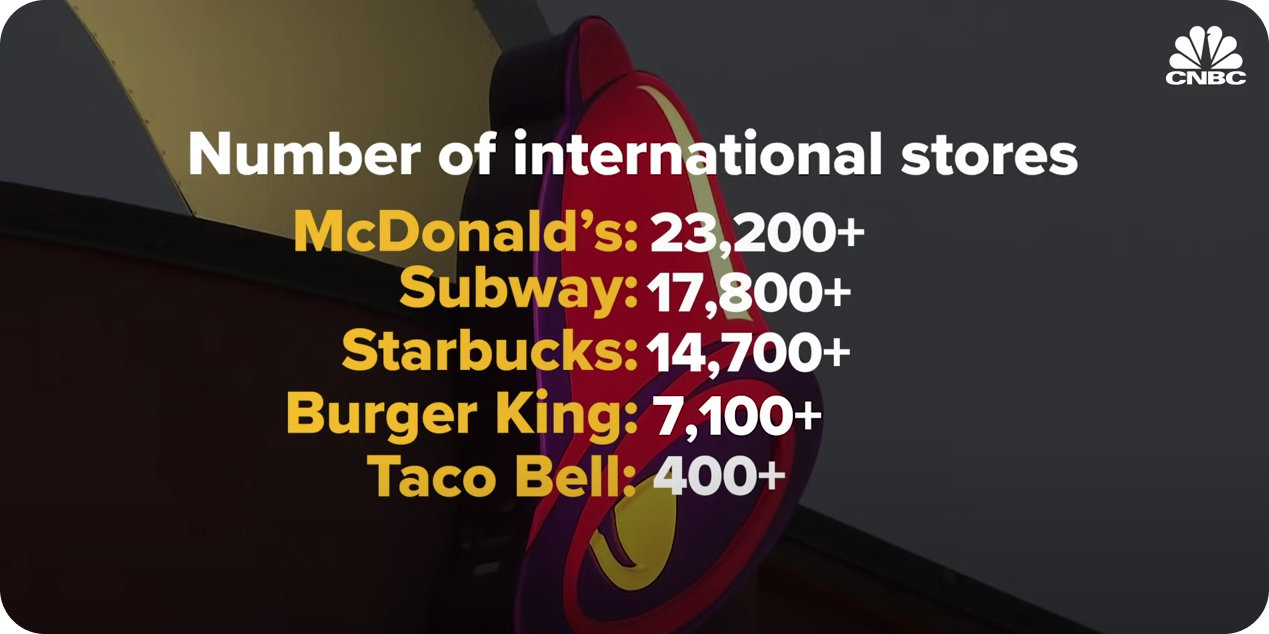
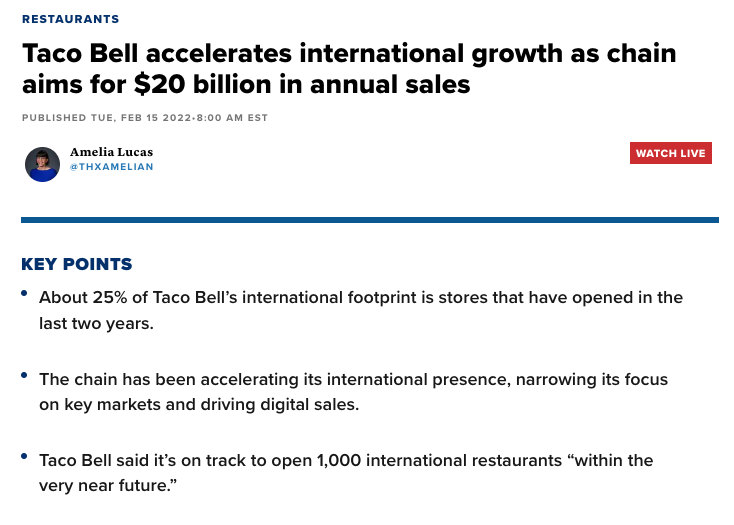
Taco Bell has close to 8,000 locations worldwide, but only ~400 of those locations exist outside the United States. Despite their popularity and success in North America, they’ve struggled to replicate that internationally, and in particular in Asia and the Middle East. Let’s dive into why… Origins |
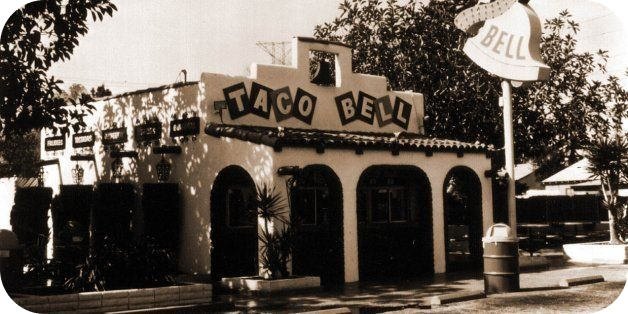
The household name brand that is Taco Bell today, was first started by Glen Bell in Downey, CA in 1962. Since starting that first location, the franchise has expanded into over 7,000+ locations in America.
But most of their expansions internationally have been only mildly successful (at best). For example, in Mexico, Taco Bell has even tried and failed multiple times to open restaurants. Once in 1992 and again in 2007.
Beyond that, they also made a major push in Dubai, but eventually left the U.A.E. market completely after just 4 years. |
In 2008, Taco Bell was posting record profits.
That year, it became the second most profitable chain in the Yum! Brands portfolio. Executives at Yum! decided it was time, once again, to try to enter a new international market. So, they looked to the Middle East.
The United Arab Emirates was the perfect foothold into the Middle Eastern market. - The UAE economy was growing at a steady pace
- Dubai had the highest concentration of restaurants in the world
- Emiratis generally loved American brands
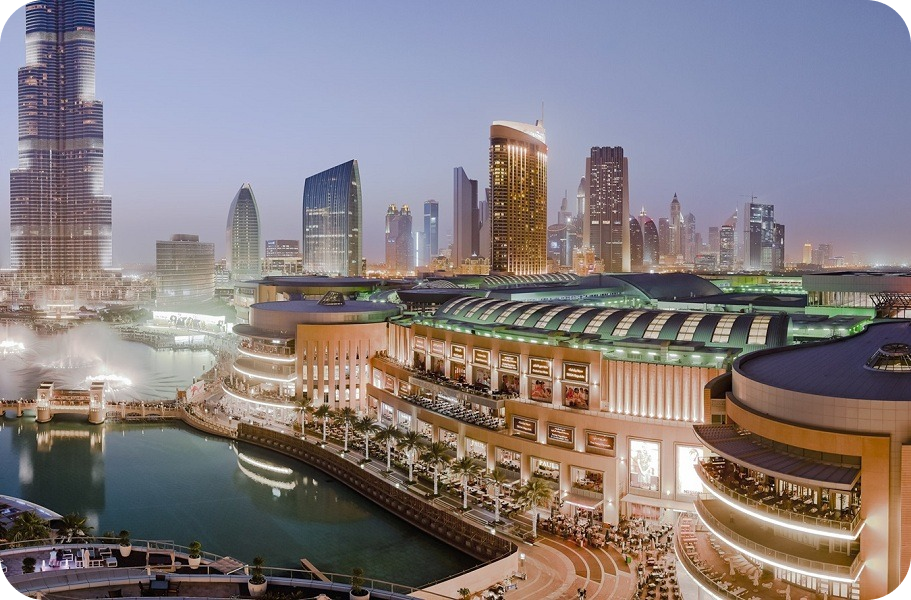
At the time, one of the largest malls in the world was scheduled to open in Dubai in November of 2008. Malls in Dubai are no joke. The Dubai Mall is 5.9m sq/ft with 1,300 stores and 200+ restaurants. In fact, the Dubai Mall made up about 5% of Dubai''s GDP in 2015 🤯 So, Yum! Brands selected The Americana Group to become their first Emirati franchisee and opened a Taco Bell in the Dubai Mall in 2008.
As an FYI, The Americana Group is a massive international master franchisee that owns other brands such as KFC, Pizza Hut, TGI Fridays, Baskin Robbins, and more. They’re a juggernaut in their own right and are listing publicly in Dubai. The point being, The Americana Group is no slouch.
They had experience and knew how to build western brands abroad. So they got to work - the menu was adjusted to cater to the local palate and the entire restaurant was made halal-certified to adhere to islamic dietary laws. And like many of their other brands, the launch was a success, and the Dubai Mall location showed promise. So in 2009, The Americana Group decided to add another location. Then in 2012, they expanded to 2 other mega malls.
But something wasn't right - and by the end of 2012, they pulled out of the market entirely. |
For years, Yum! Brands had been the top food company in the U.A.E. In Dubai alone, there were 31 KFCs and 21 Pizza Huts. So the problem wasn't poor execution or inexperience. In the end, Taco Bell's failure in Dubai came down to 2 things: Food and atmosphere. Food |
Put simply, Emiratis didn't like Mexican food. In fact, the Latin American food category consistently accounts for only ~.1% of total food sales in the U.A.E.
Yum! Brand executives were aware of that statistic, and they interpreted it as a major gap in the market. It turns out that in reality, it was simply a lack of demand. Taco Bell's layout also clashed with Emirati culture.
Atmosphere |
In the U.A.E. (and in much of the Middle East), going out for food is a big event. It's an opportunity to sit down and socialize with family and friends. Taco Bell (and its tiny dining area) was not built for that. |
It's easy to forget that Taco Bell lacks the international brand recognition of other brands like KFC and Pizza Hut. Today, KFC has 3,000+ locations outside the U.S., and Pizza Hut has ~11,000.
At only 400, Taco Bell lacked the brand recognition it needed in such a new market. So how did the Dubai Mall location succeed if the other ones didn't? The amount of foot traffic in the mall was certainly a contributing factor. But the biggest reason was the large number of international tourists that were already familiar with the Taco Bell brand. Despite the setback in Dubai, Yum! Brands is still determined to enter the Middle Eastern market. |
Taco Bell is currently planning a massive expansion overseas with the goal of 600+ new locations. Time will tell if they can succeed this time. |
|
|
Dunkin' (Jollibee) Leaves China Jollibee, the biggest fast-food brand in The Philippines (and owner of Smashburger in the US), partnered with Dunkin’ in 2015 with the goal of building 1,400+ stores in China. 7 years later, they’re canceling the venture after only opening ~10 shops in Beijing. Put simply, the coffee business in China is tough - and outside of Luckin’ Coffee and Starbucks, there may not be room for a third player. |
RBI Tests Multi-Brand Ghost Kitchen
Restaurant Brands International, the owner of Burger King, Popeyes, Tim Hortons, and Firehouse Subs is opening a delivery-focused food hall where customers can order from all their brands. This is a win-win, as RBI can leverage all their brands in a small square footprint, and customers can mix & match menu-items across all the brands, and do it all in one order!
|
|
|
THE WOLF OF EVERYTHING ELSE |
|
|
-
🐔 The Holiday's Are Coming: Get your favorite chicken lover some Side Chick swag!
-
🩺 Curious About Healthcare? This weekly newsletter is one of my favorites, and the best part is it's written by a real doctor!
|
|
|
That’s it for this edition of The Wolf Report. Feel free to reply with any questions or feedback. Thanks and see you Thursday! — The Wolf |
|
|
Want your message in front of 27,361 entrepreneurs, investors, and operators? |
Workweek Media Inc.
2952 Higgins Street
Austin, TX 78722 Want to ruin my day? Unsubscribe. |
|
|
|