| ||||||||
| | ||||||||
Hey Marketing Bestie, Us Marketers sure can learn a lot from our Marketing fore-fathers and fore-mothers. We can also learn from each other. In fact, I'm building a big report on where Marketing budgets are headed in 2027. But I need your help to do it. So...would you take this 4-min survey with me? First 100 qualified Marketers get $20, and everyone gets entered to win $1,000 gift card. It's anonymous, & the full report lands in your inbox no matter what. Now, back to the lesson. Class is now in session. Was this email forwarded to you? Sponsored by Bloomreach 👉 ✏️👉 ✏️👉 ICYMI: NEW MARKETING WORKBOOK. PS: it's extra-helpful right now, for 2027 planning. CREDIT WHERE CREDIT'S DUE How Diners Club Cooked Up The Credit Card Marketing PlaybookToday, 42% of U.S. adults make ZERO cash purchases in a typical week. (🙋You?) Instead, they tap or swipe: credit or debit cards or digital wallets linked to them. Paying with plastic is so common, it’s easy to forget it wasn’t always an option. When credit cards 1st showed up, they weren’t an easy sell: 🫰: Merchants had to be convinced to accept cards. 👛: Consumers had to be persuaded to ditch bills and coins. Marketers had to win over BOTH sides, with the right balance of convenience, exclusivity, and possibility. And that was just to get people to sign UP. Then they had to get them to actually use the cards. The solution: brand storytelling, traditional ads, and marketing collateral that felt like aspirational lifestyle content. They built the playbook for a new industry. But spoiler alert: it wouldn’t be long before competitors turned the tables. This is the story of… Diners Club.  Today’s lesson begins in 1949, at Major’s Cabin Grill in New York City. After a business dinner with VIP clients, loan company manager Frank McNamara reached for the bill, and…realized he forgot his wallet. 🤦♂️ Humiliated, McNamara called his wife and asked her to bring some cash. Pretty ironic for a loan company manager. While he and the restaurant staff waited, he thought: “there has to be a better way.”. 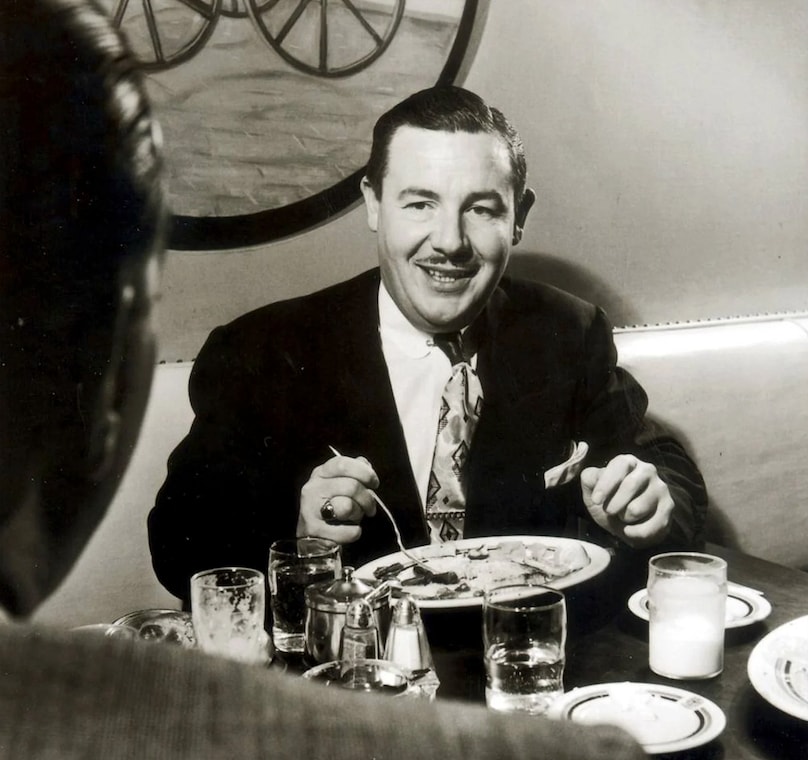 Frank McNamara, breakfast served and dignity restored. McNamara thought of the closed-loop charge accounts offered by some department stores. What if there was a multipurpose charge card he could’ve used to pay for the meal? (But wouldn’t it still be in his misplaced wallet? 🤔) The next day, McNamara, his lawyer Ralph Schneider, and friend/department store heir Alfred Bloomingdale came up with the idea for Diners Club. They made the first cards, went back to Major’s Cabin Grill for “The First Supper,” and dined cashlessly ever after. That’s the story, anyway. Just 1 problem: None of this ever happened. “THE FIRST SUPPER”The truth: McNamara and Schneider launched Diners Club on February 8, 1950. “The First Supper” story came later. “Club” was the right word. Their 1st members were hand-picked: no application process, no annual fee. They issued paper cards to 200 friends, associates, and prominent businessmen, who could use them at 14 NYC restaurants. 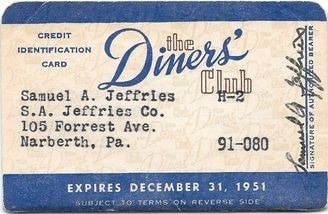 Super official. Just make sure you don’t accidentally put it in the washing machine. Account numbers went by membership start date, so a low number had cachet. Kinda like snagging a first-name-only email address. Members used the card to dine out, then got a monthly bill they had to pay in full. Restaurants paid a full 7% of each bill. (For comparison, card transaction fees run 1.5%-3.5% today.) The pitch to businesses: join Diners Club and get more customers. But that was just a pitch. Diners Club still needed to get off the ground. Matty Simmons, Diners Club’s 1st hire and a nightclub PR veteran, faced a classic catch-22 for companies trying to build a network effect: 🍝: Restaurants wouldn’t join Diners Club without cardholders. 💵: Customers wouldn’t sign up if restaurants didn’t take the card. So he made up that “The First Supper” origin story to illustrate the card’s value to both parties. Real or not (to be clear: not), it was relatable and memorable, and became Diners Club lore. Still is, even though Simmons admitted to fabricating it in his 1995 book, The Credit Card Catastrophe. 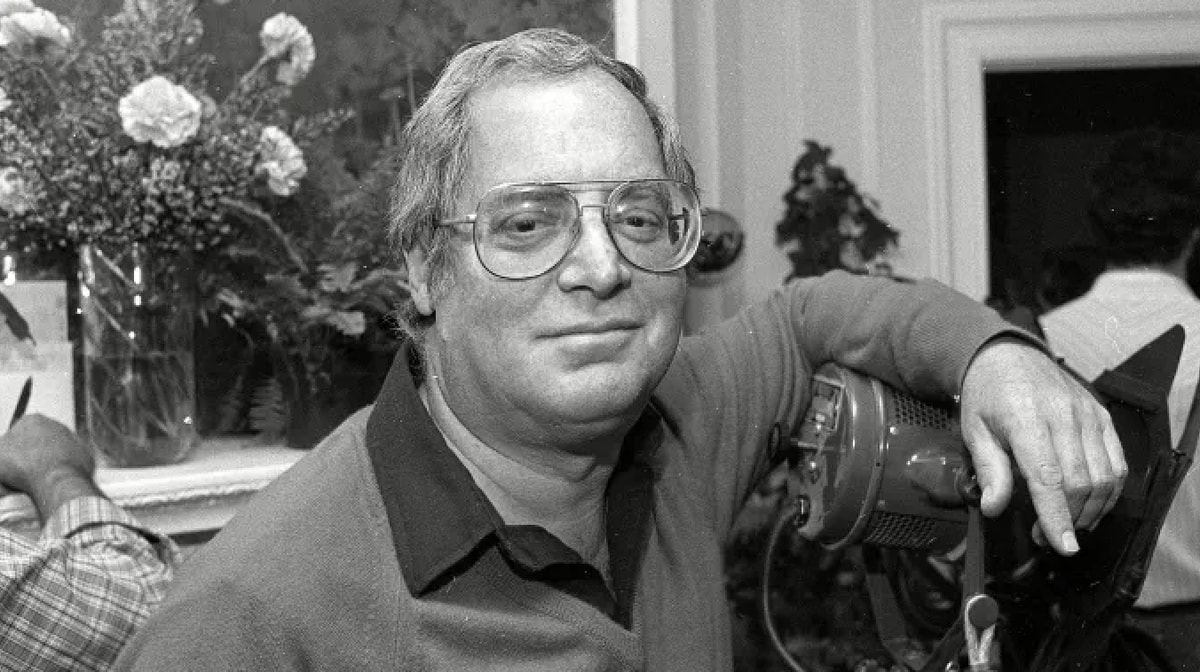 Fun fact: Simmons later produced Animal House and the National Lampoon’s Vacation movies. The guy had range. Simmons pitched the story to Business Week, Newsweek, and other publications. Meanwhile, he sent direct mail to potential cardholders, placed print ads, and put “take one” sign-up boxes at point of sale in participating restaurants. Within weeks, Diners Club had 8K members and a list of new restaurants that wanted in. No swiping, tapping, or revolving credit involved yet. Just a new way to pay. PUT IT IN PRACTICECustomer behavior, channels, and technology have changed. But the Marketing playbook Diners Club wrote 76 years ago is still going strong. Their strategies are your homework: 1️⃣. Write your “First Supper” story. Describe the idea’s genesis in a memorable way your customer can repeat. Keep it relatable, plausible, and uh, preferably factual. 2️⃣. Pitch the story to 1 outlet your buyers already read. Diners Club went to Business Week. Your audience might be reading a B2B newsletter (hi!), listening to a podcast, or following a creator. 3️⃣. Make early users feel like members. Give them a name, number, or VIP perk to create a sense of status. 4️⃣. Turn a regular customer touchpoint into content. Add 1 useful thing to the invoice or renewal email you know they’ll open. If they ask for more, you've unlocked deeper engagement. 5️⃣. Decide who pays. If your product connects 2 parties, charge the group that gets more value, and keep it cheap for the group you need more of. CHA-CHING!After just a year in business, Diners Club had 42K members and more than 330 participating businesses. They’d spread beyond restaurants into Hotels, car rental agencies, florists, travel agencies, and retail stores in NYC, Boston, Chicago, LA, and other major U.S. cities. Part of what helped: Diners Club becoming an O.G. content Marketing powerhouse: There were so many places to use the card that Simmons started putting leaflets about new perks in his billing envelopes. Leaflets led to a newsletter-style insert, and eventually The Diners’ Club Magazine. (Members could subscribe for an extra $3.) 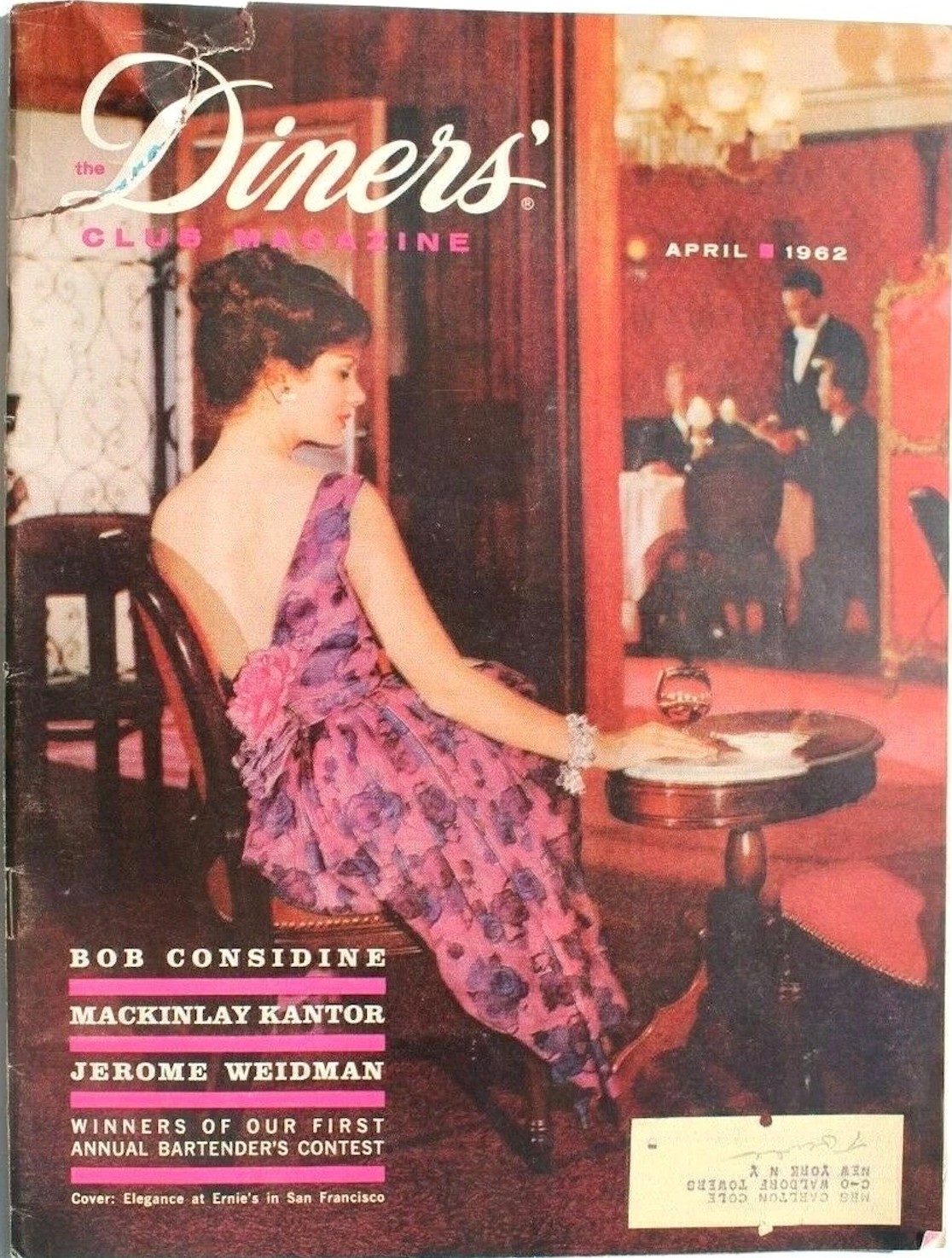 Diners? Diners’? Diner’s? The publication was later renamed Signature Magazine, acquired, and became the building blocks of Condé Nast Traveler. For years, the business model remained largely the same. A modest annual fee was introduced in 1951, but 70% of revenue still came from merchants. In 1953, Diners Club became the world’s 1st international charge card. 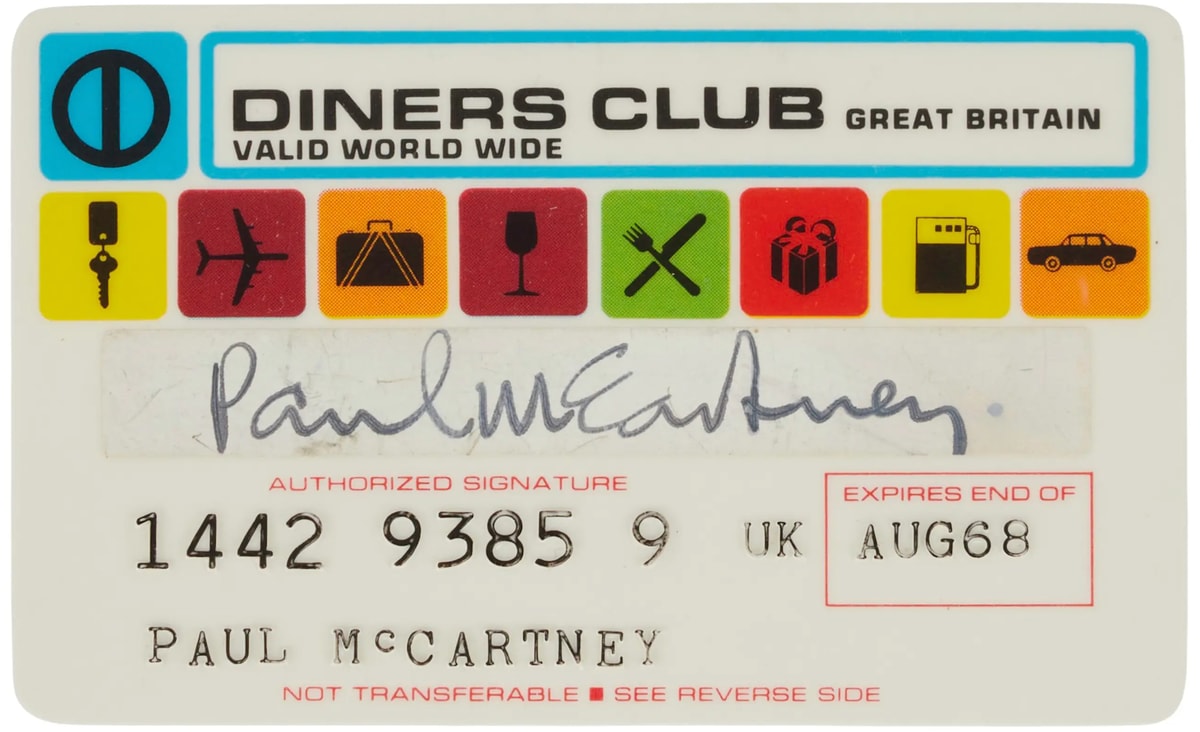 Good enough for the Beatles, good enough for me. In 1959, at 1 million members, Diners Club was listed on the New York Stock Exchange. Then it took branded content to the big screen with The Man from the Diners’ Club, a 1963 comedy about…credit card fraud. 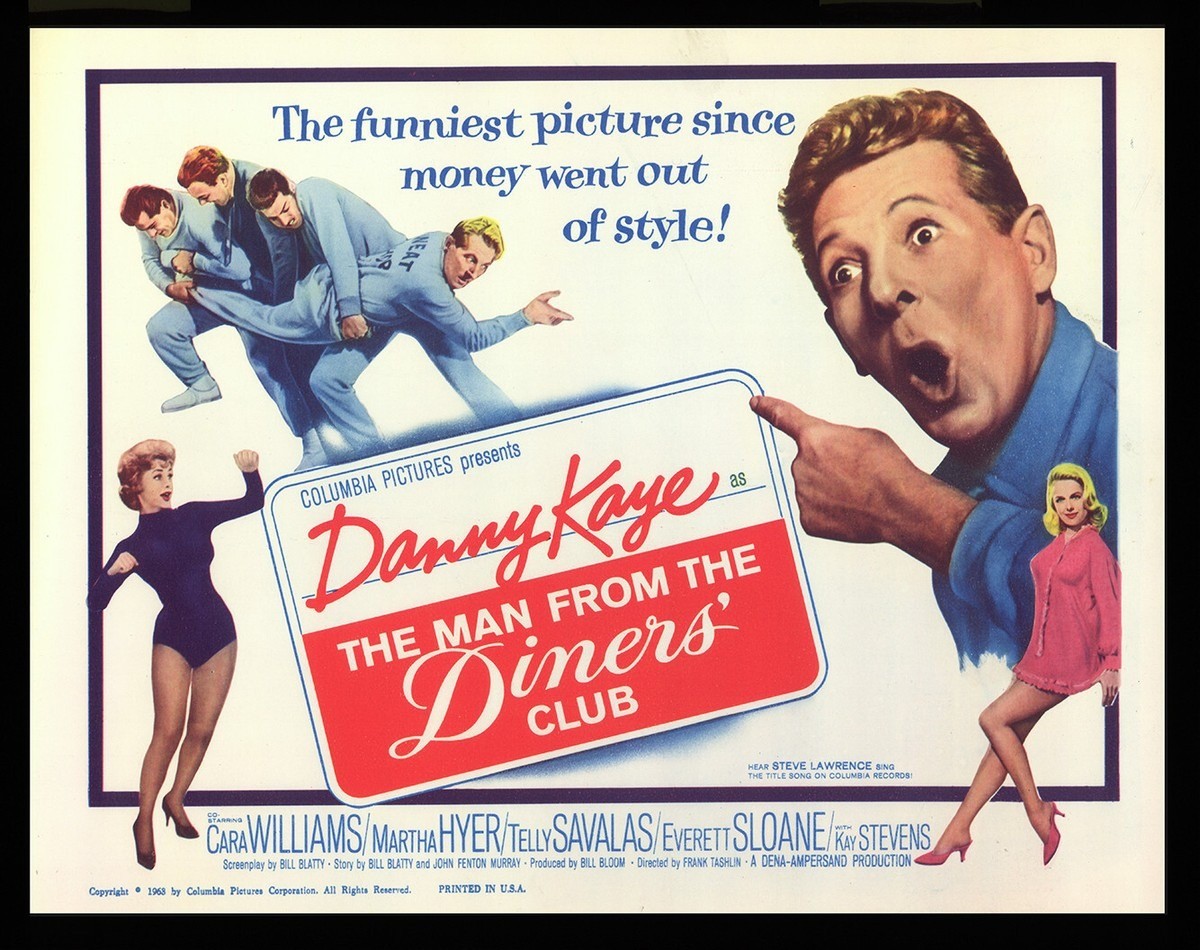 I know what you’re wondering. Yes, it’s on Amazon Prime. Diners Club was everywhere. But 1 competitor was studying the playbook… TURNING THE TABLESAs Diners Club gained market share, a much older financial and travel services company was grumbling that it should’ve been there 1st. American Express had shipped mail and freight since 1850, and issued travelers cheques since 1914. Execs had discussed launching a travel card as early as 1946. Then Diners Club had come out of nowhere with something no other company offered. Not for long, though… On October 1, 1958, American Express launched its own charge card to 250K users. For a $6 annual fee ($1 higher than Diners Club), for a more exclusive positioning. 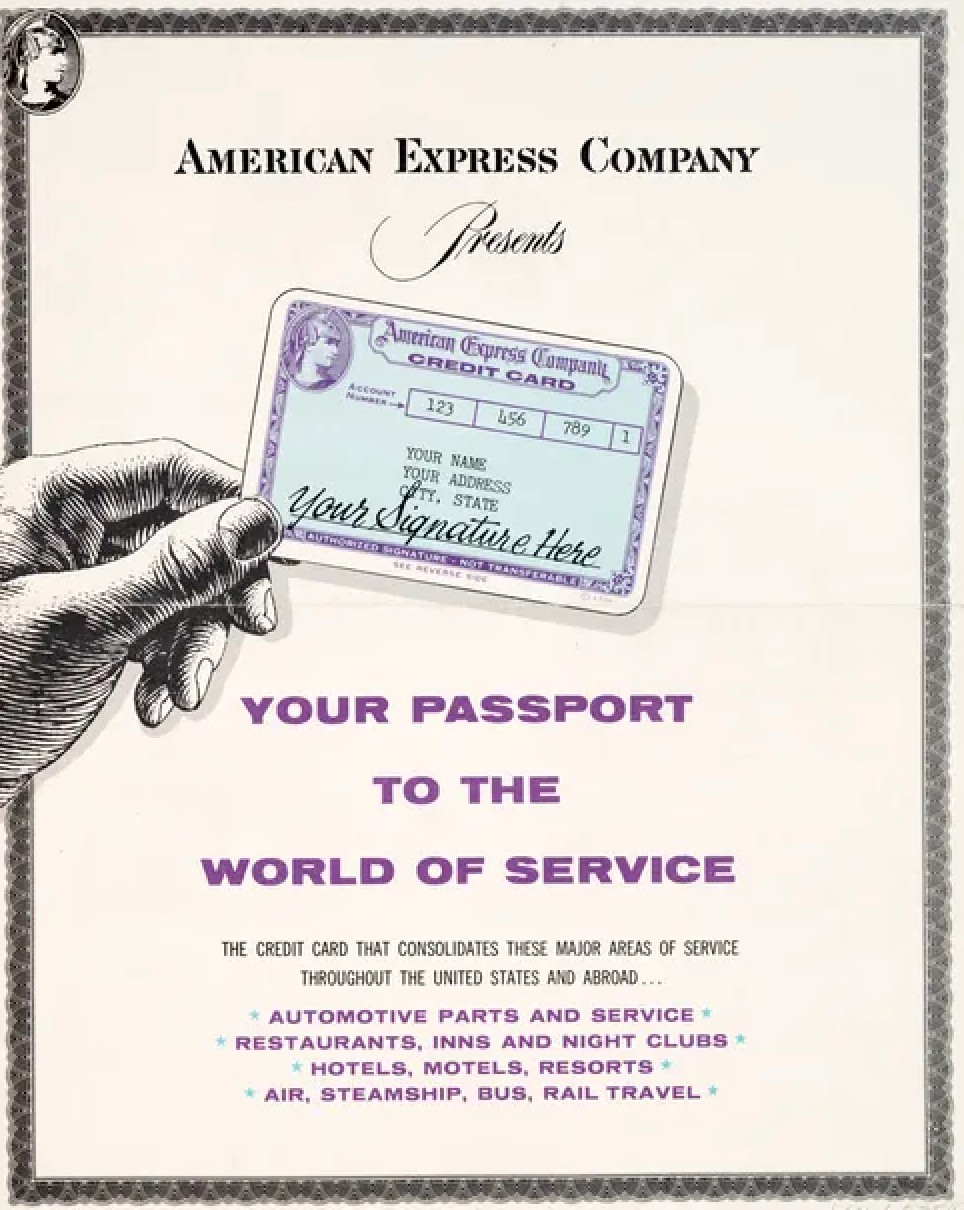 Diners who? A year later, American Express issued the first embossed plastic charge cards. Even with an 8-year lead, Diners Club quickly fell behind. American Express aggressively scaled with a bigger merchant network and more sophisticated content Marketing: It bought a magazine called U.S. Camera & Travel in 1968 and relaunched it as Travel + Leisure in 1971, which ended up being acquired by Time Inc. You know branded content’s good when everybody thinks it’s editorial! American Express Publishing later added Food & Wine, Departures, and Executive Travel. Just in time for the Equal Credit Opportunity Act (1974, which gave women the right to open their own credit cards), and the rise of corporate yuppie culture in the 1980s. 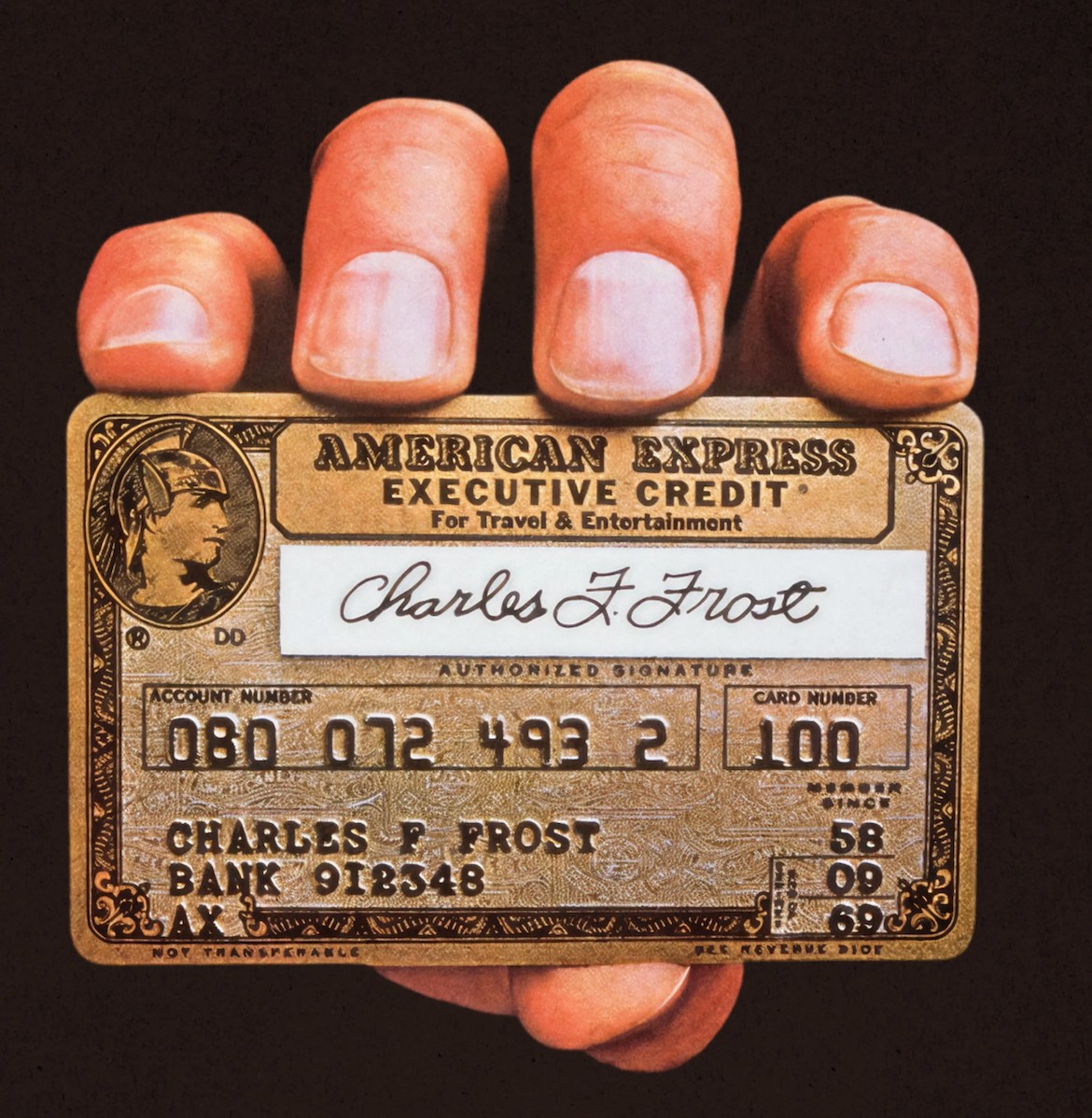 Don’t leave home without it. American Express elevated everything Diners Club had invented for the business class. Meanwhile, its own competitors wanted to give everyday consumers the same access. Banks got in the game too, with cards offering revolving credit. Diners Club was acquired by Citibank in 1981. It tried to compete by lowering merchant fees and introducing the 1st card-based rewards program with frequent flier miles in 1984. By then, American Express had cemented themselves as the status card, available in green, gold, and platinum. (The Black Card was introduced in 1999.) Discover Financial acquired Diners Club from Citibank in 2008, and Capital One acquired Discover in 2025. The Diners Club name and branding is still used in parts of Latin American, Europe, Asia, and the Middle East. If you’re in the U.S., maybe ask your grandpa about it? Today, the global credit card market is valued at $16T and growing. There’s a card for every kind of consumer, at every income level, with rewards that range from cashback on gas and groceries to points on rent/mortgage payments. …Or discounted private helicopter flights to the Hamptons, if that’s more your speed. The average American has 4 active credit cards and sorry, no cash. Whatever the bank, credit limit, perks, or annual fee, they’re all indebted (so to speak) to Diners Club. MARKETING CHEAT SHEET (WHAT TO LEARN FROM THIS STORY): 1️⃣. A good story can travel further than facts. The fabricated tale of “The First Supper” made the media rounds. It’s even still on the Diners Club's site. 2️⃣. Treat it like a true club. Membership language, card numbers, and a small fee made Diners Club feel like a status symbol. We still see this across loyalty programs. 3️⃣. Your bill is also a marketing channel. A leaflet tucked into the billing envelope eventually became a legit magazine that 90% of Diners Club members paid for. 4️⃣. Just because you’re 1st, doesn’t mean you’ll stay on top. Diners Club invented the credit card category and (by its own account) the rewards program, but American Express copied the playbook, and elevated it. 🎟️ YOUR FREE PASS TO MARKETINGLAND Have you RSVPed to Marketingland Festival 2027 yet? 1 free, virtual day learning from other smart Marketers - like Ann Handley, Ross Simmonds and Bloomreach CMO Amanda Cole, all weighing in on the Great AI Reset. Games & prizes too. Not included: travel time. Grab your free pass, then forward this to the Marketing Bestie you want in the chat with you. IN A MEME 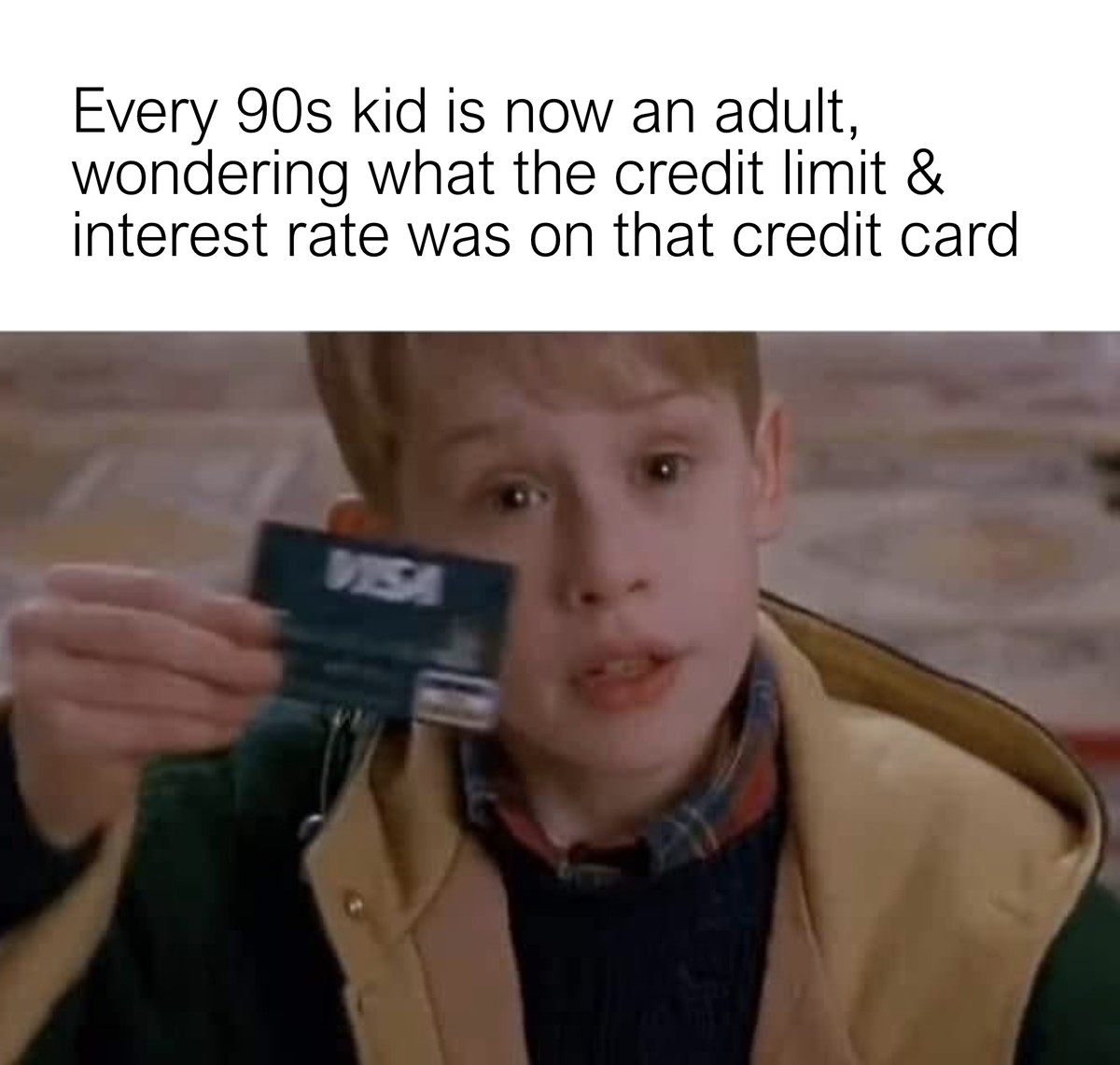 Ahh, the bell has rung. Please be sure to do the reading (follow The Marketing Millennials on LinkedIn and me, Professor Millennial, on X). Off you go, passing period is only 11 minutes and there’s already a line at the vending machine that only accepts cards. Until next time, Professor Millennial. | ||||||||
|