| ||||||||
| | ||||||||
| Hey Marketing Bestie, Us marketers sure can learn a lot from our Marketing fore-fathers and fore-mothers. The greatest marketing campaigns in history deserve to be etched in HTML stone. Welcome to Marketing Classics 411, a new kind of ancient history. In place of hieroglyphs, expect to decipher the campaigns of yesteryear. Professor Millennial teaches every Tuesday (remotely), via electronic mail. Class is now in session. Was this email forwarded to you? 🏰 CALLING ALL BRAND-HEADS Get ready for BRANDLAND, at Marketingland Festival 2027. A day of experts teaching how to stand out when everyone sounds the same. How to scale without the slop. And proving brand's worth to the people who fund it. Free & Virtual. Register here → DEEP DIVE TOPIC How Candy Corn Became Halloween’s Most Recognized (And Divisive) TreatEvery Halloween, you’re either Team Candy Corn or Team Anti-Candy Corn. My family’s divided. Ari loves it. I’m done after 1 piece (or fewer). Our son hasn’t tried it yet but I’ll keep you posted. Candy corn is divided, too: it gets voted the worst Halloween candy almost every year. But it’s still on every shelf. Brach’s produces and sells more than 30M pounds each year. In 2022, candy corn sales hit $88.5M. Even if you’re not a fan, the iconic white, orange, and yellow stripes are all over Halloween decor, fashion, and other seasonal treats. Somehow, the candy that people like LEAST is also the most synonymous with spooky season. It’s a lesson in the power of owning the moment, even if you’re not for everybody. A reminder that being a product consumers love to hate is its own kind of brand affinity. Trick or Treat! This is the story of… candy corn. 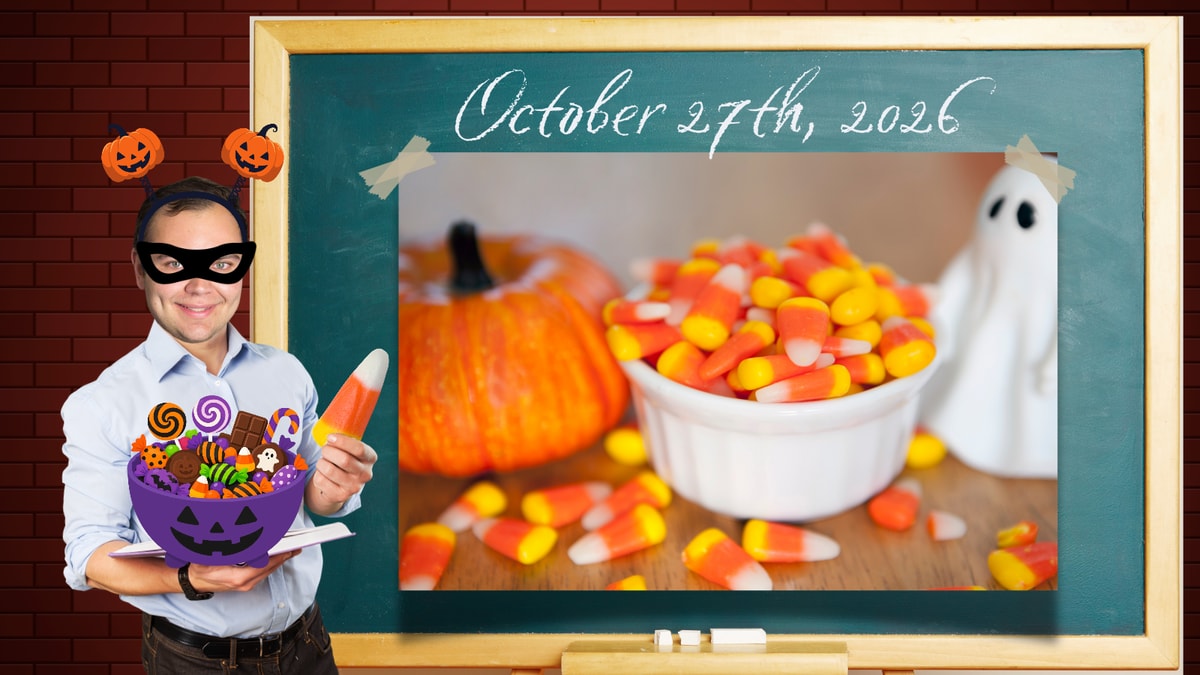 In the 1880s, American confectioners came up with a corny way to sell penny candy in a country that was still mostly rural. They’d pour a cheap mix of sugar, corn syrup, fondant, gelatin, and vanilla flavor into small cornstarch molds shaped like turnips, leaves, and other farm fare. The final product: a sweet and chewy treat known as a mellowcreme. Soon after, George Renninger at the Wunderle Candy Company in Philadelphia made his own version shaped like corn kernels. To make the candy stand out, he gave each piece a labor-intensive tri-color design: a yellow base, orange middle, and white top. 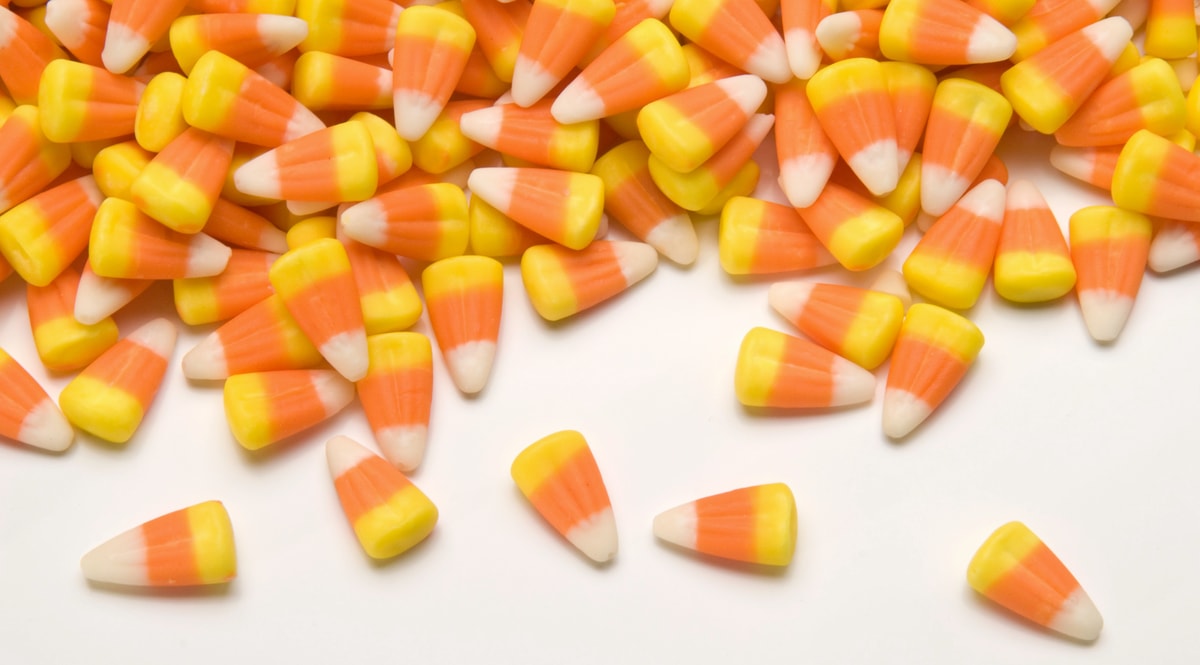 [Cue the Halloween theme] A worker in the candy kitchen carefully hand-poured 1 color at a time into the molds from 10-pound buckets of hot fondant. Renninger called his masterpiece Chicken Feed, probably because it looked like it belonged in a henhouse trough. A CASH CROPThe jokey sweet became popular at general stores, where kids bought a handful or small bag when they could scrape together a few coins. In 1898, the Goelitz Confectionary Company in Cincinnati (now Jelly Belly) began mass-producing and marketing Chicken Feed with the slogan “Something worth crowing for.” Later, the candy was rebranded Goelitz Butter Sweet Candy Corn. 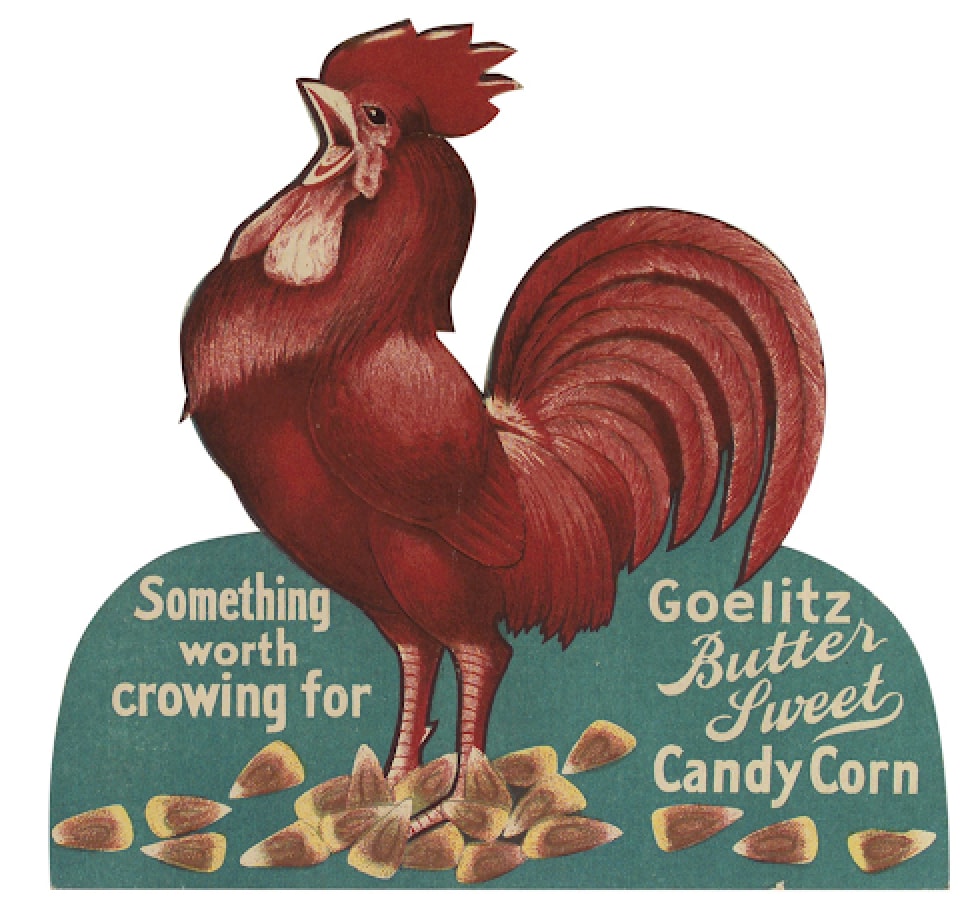 Cluck it, this is kinda fun. The bulk sweet was available year-round and was a best-seller for 75 years. It even kept Goelitz in business during the Great Depression and both World Wars. It wasn’t the only candy corn on the market, though. Copy-corn competitors made their own versions, cutting into Goelitz’s market share and competing on price. The colored layers were harder to rip off, but soon every brand wore the same 3 stripes. And the stripes, not the logo, were what people remembered. Over the years, Goelitz tried to market candy corn as "The Universal Christmas Confection,” pitching it in gift boxes with the rooster on each lid. They even made trade ads for retail stores with Santa Claus riding the rooster. 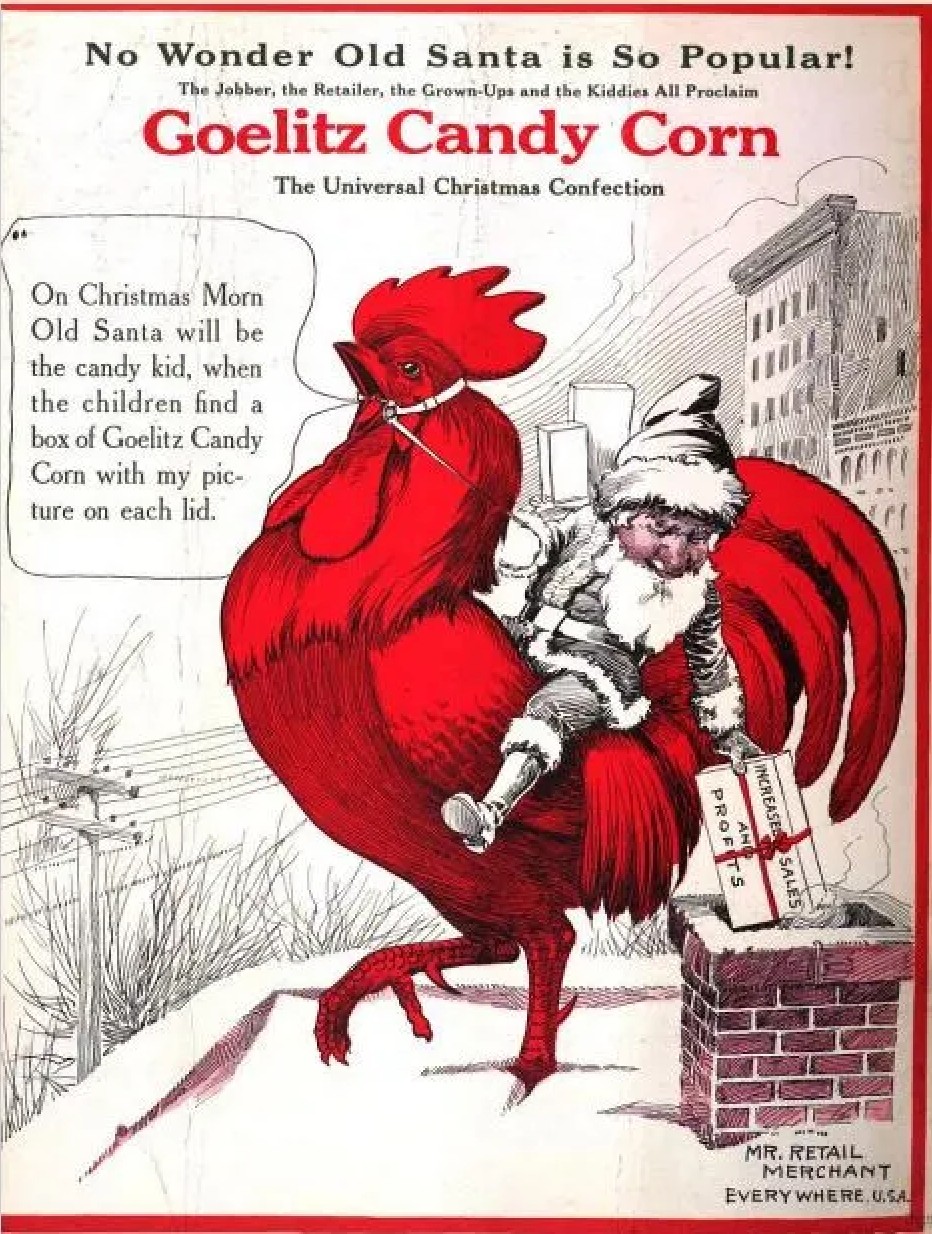 Ho-ho-hold on, what?! Still, consumers associated the candy with the fall harvest, due to its colors and shape. 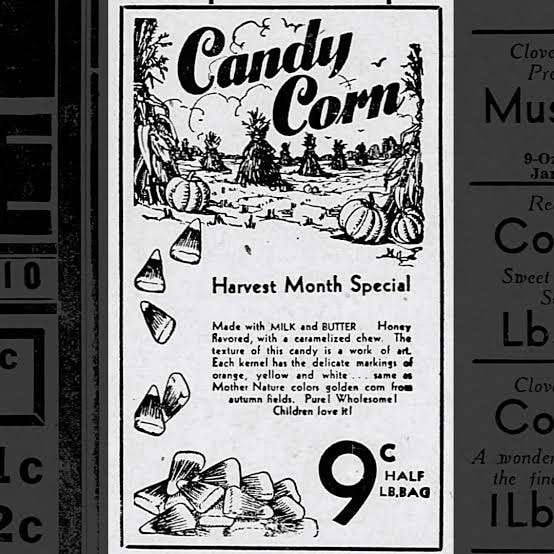 What a deal! (1933 ad from the Decatur Herald) But things were changing in post-war America: 🍭: Sugar rationing was over. TRICK OR TREATHalloween goes back over 2,000 years to a Celtic festival called Samhain, with traditions evolving over the centuries to children going door to door performing “tricks” (jokes, poems, primitive TikTok dances) in exchange for edible “treats.” The phrase “trick or treat” emerged in North America around the 1920s, when Brach’s became the leading producer of candy corn. (Yep, candy corn is older than trick-or-treating.) But the tradition went mainstream in the 1950s, with early mentions in Peanuts (1951) and Disney’s Donald Duck - Trick or Treat (1952). 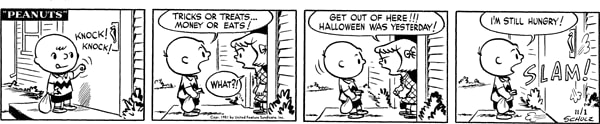 Peanuts P.G.P. (Pre-Great Pumpkin). Suburban kids had safe, walkable access to lots of homes. Parents had money for costumes and candy. Candy corn was in the right place at the right time, already wearing the season's colors. Brach’s and other companies began selling individually wrapped candies and treat bags to pass out to trick-or-treaters. Mellowcremes, gumdrops, and jelly beans dominated the early Halloween candy scene. 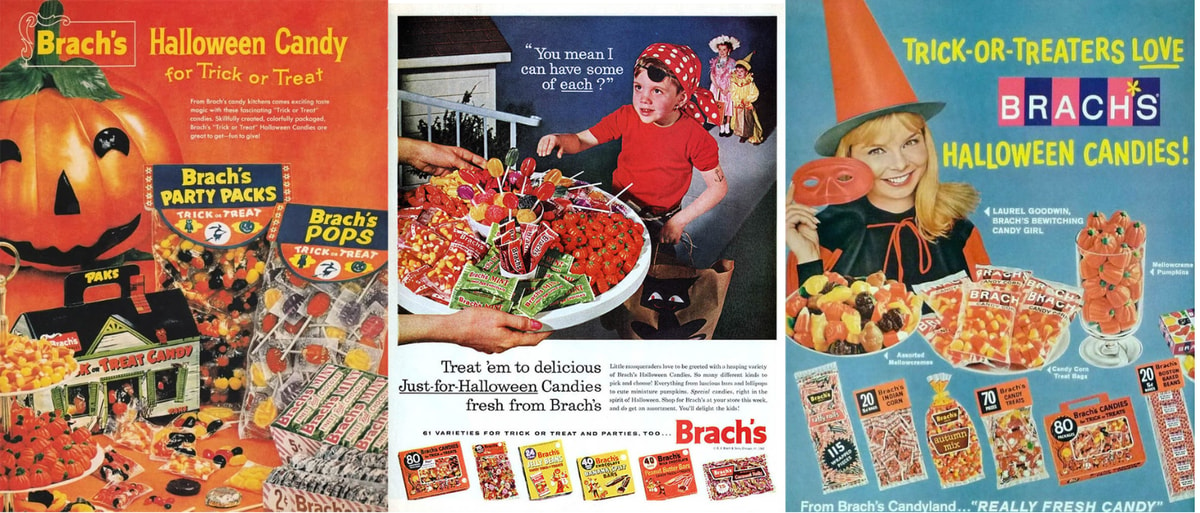 Not a chocolate in sight. Booooo! Until the 1960s, when “fun size” chocolate bars became kids’ most coveted treat. As the decades passed, candy corn was more likely to be displayed in a candy jar than dropped into a trick-or-treater’s bucket. Comedian Lewis Black got everybody thinking about candy corn again in 2002, when his routine about how “all of the candy corn ever made was made in 1911” and had been recycled ever since. Ironically, the routine was so popular that Black performed it multiple times, turning it into a kind of Hallo-meme. And the success of this candy-corn-haterade actually illustrates the biggest lesson here: using your haters, to Market to your lovers. PUT IT IN PRACTICELove it or hate it, everyone knows candy corn. Follow its recipe for success. Here’s your homework: 1️⃣. Find the moment you already own. Pull 24 months of sales and circle the 2-4 weeks that beat your average. Decide if the spike’s a holiday, season, or customer ritual. That’s your Halloween. 2️⃣. Find your stripes. List your top 3 brand traits (a color combo, shape, sound, etc.). Show each asset to 5 customers with your logo removed. Your stripes are whichever asset they recognize fastest. Then, put it everywhere your logo goes. 3️⃣. Split the lovers from the haters. Go through 30 days of reviews and comments and tag each as love, hate, or meh. Write next month's campaign for the lovers. If you’re feeling feisty, play with the hater’s strong emotions while you’re at it. That's the real candy corn magic. 4️⃣. Build 1 thing JUST for superfans. CANDY CORN-UCOPIAApparently, there’s no such thing as bad candy corn publicity. CandyStore.com's annual Halloween survey consistently ranks candy corn the #1 worst candy. This year, Circus Peanuts was #2. OUCH. In the same 2026 survey, candy corn was the top-selling candy in Maryland, North Dakota, and Utah. 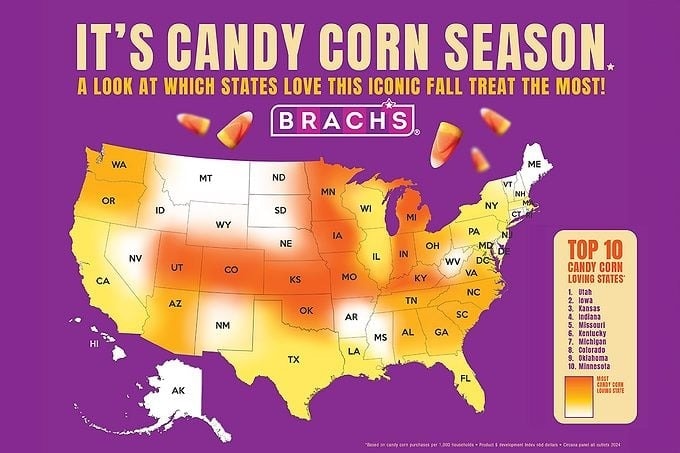 A nation divided in this older survey. You can’t have a product people love to hate without SOME love in there. And the haters are actually PART of the Marketing strategy: outrageous viral launches like Turkey Dinner Candy Corn and Tailgate Candy Corn keep them talking. (Reviews said they were gross. I wonder if Ari would like them...) 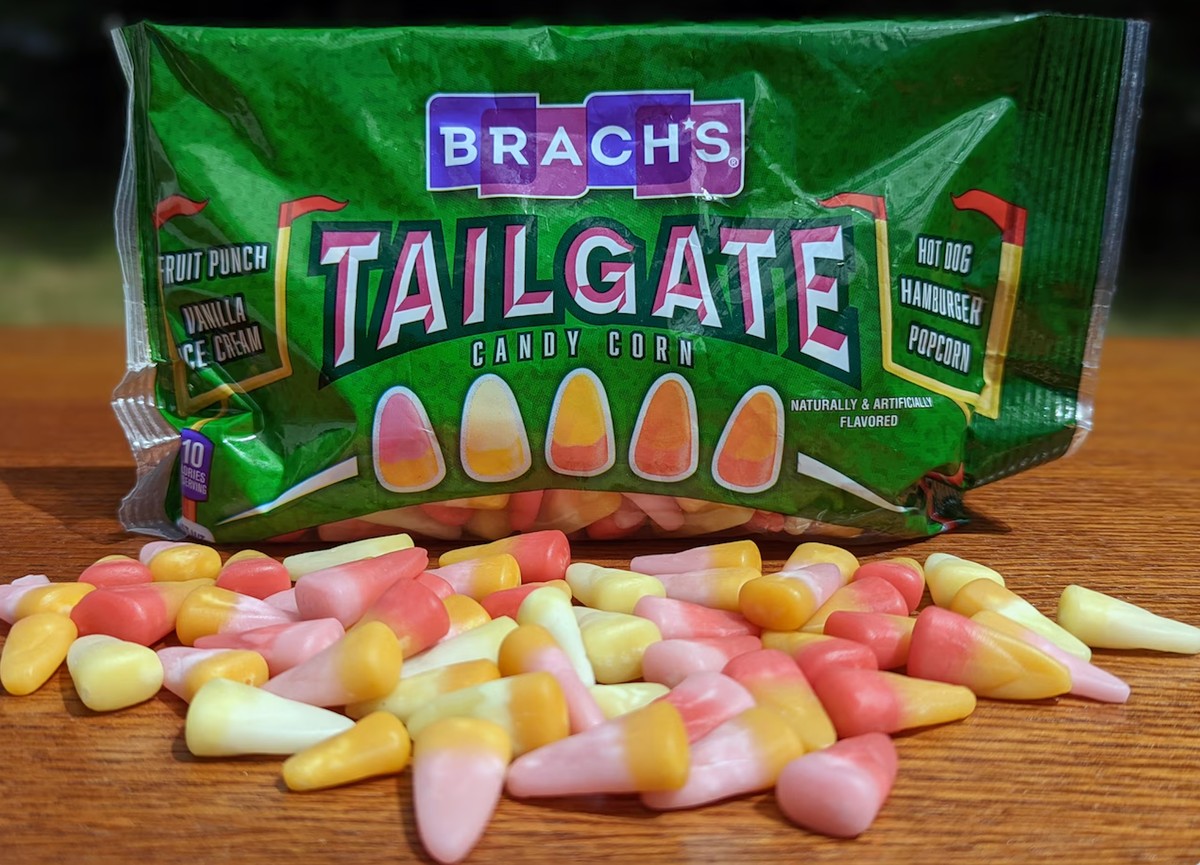 Party foul. Candy corn’s distinct look has outgrown the candy. The yellow, orange, and white pattern is everywhere in fall. Halloween costumes. Indoor and outdoor decor. Limited-edition drops from Nike and Vans. Collabs with food brands, like Oreo and Nerds. This year, there’s a fragrance and a beer (!??). I’m stressed. 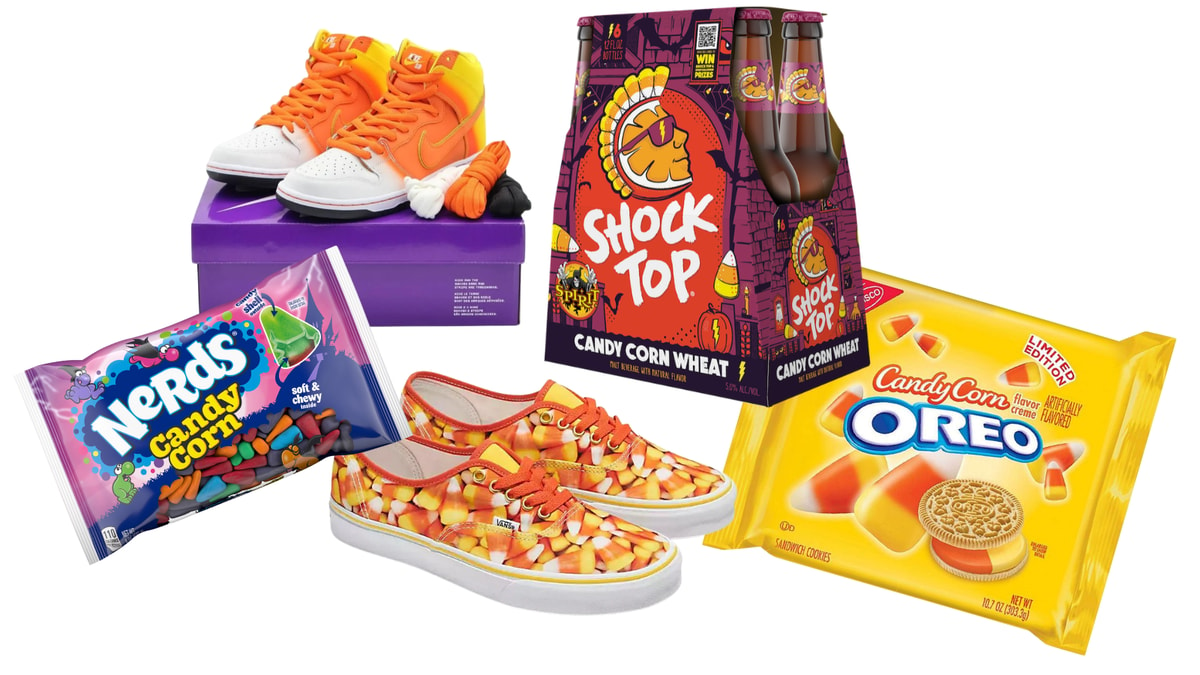 Candy Corn-laboration In 2024, Brach’s even opened the Candy Corn Suite at 2 Great Wolf Lodge locations in Pennsylvania and Gurnee, Illinois. Rooms started at $349 a night, with a Candy Corn Club membership and a year’s supply of candy corn thrown in. Brach’s knew exactly who’d book it. Its seasonal Marketing director said: “We’re focused on the candy corn superfans.” The brand did its homework, too. Brach’s own research found 64% of people say they enjoy candy corn. (So much for “most-hated.”) And the people who like it are 96% more likely to do other fall activities. TLDR? Candy corn fans are FALL people, and fall is where Brach’s wants to be. 🍁 The haters can keep posting memes. The superfans get a hotel room. 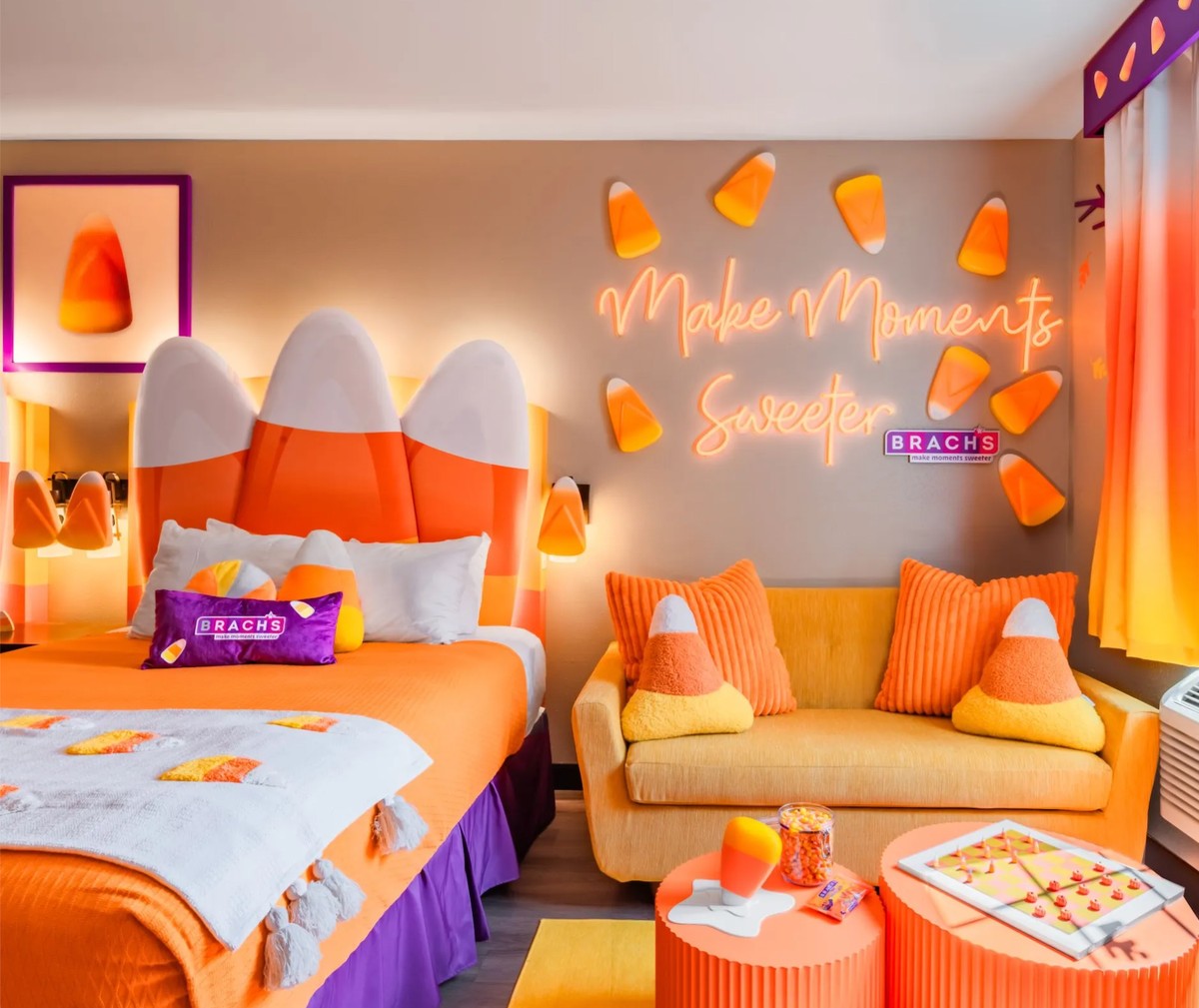 This picture makes my teeth hurt. You know that saying about how having haters is a sign of success? Brach’s made this their whole Marketing plan. That’s how candy corn became something more than just another candy on the shelf. Instead, it’s an identity, and a Marketing lesson to chew on: You don’t have to win on taste to be a tastemaker. Candy corn showed up with a unique look consumers can spot from across the room, whether they love it or hate it, and rode the strong feelings into an annual candy sales bonanza. So…which team are you on this Halloween? MARKETING CHEAT SHEET (WHAT TO LEARN FROM THIS STORY): 1️⃣. Own a moment. 2️⃣. Your look is your moat. 3️⃣. Market to the lovers. 4️⃣. Polarizing can sell. Sponsored by SiriusXM Media Trixie Mattel opening an ad event was not on my 2026 agenda. IN A MEME 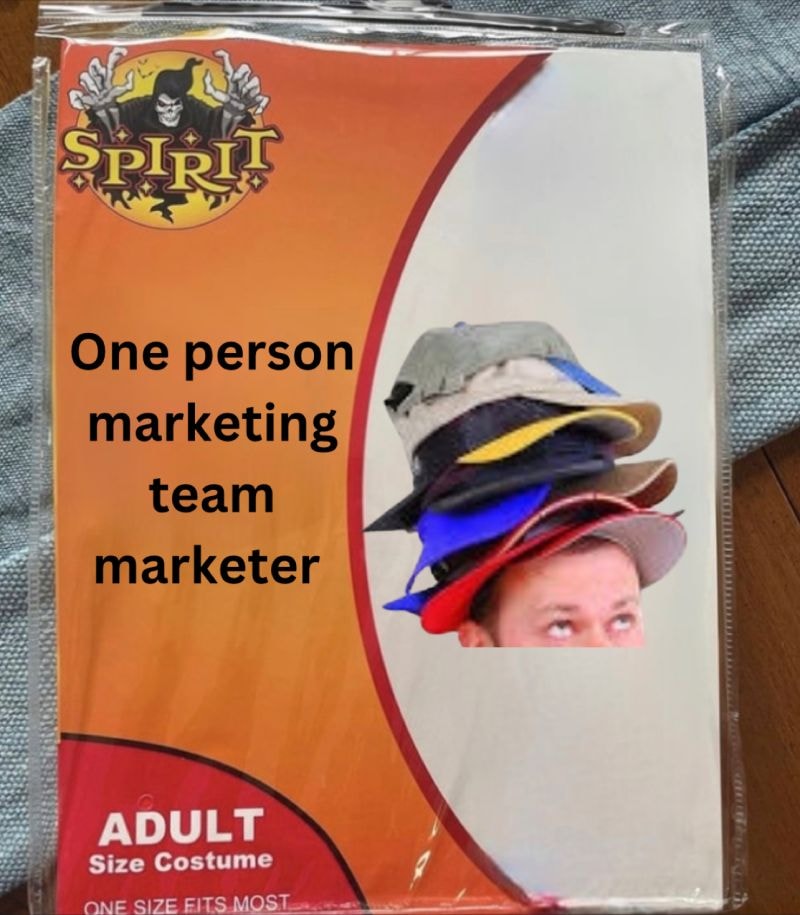 Ahh, the bell has rung. Please be sure to do the reading (follow The Marketing Millennials on LinkedIn and me, Professor Millennial, on X). Off you go, passing period is only 11 minutes and there’s already a line at the vending machine that sells candy corn-flavored Oreos. Until next time, Professor Millennial. | ||||||||
|