| |||||||||
| | |||||||||
| In partnership with
Hey Marketing Bestie, Us marketers sure can learn a lot from our Marketing fore-fathers and fore-mothers. The greatest marketing campaigns in history deserve to be etched in HTML stone. Welcome to Marketing Classics 411, a new kind of ancient history. In place of hieroglyphs, expect to decipher the campaigns of yesteryear. Professor Millennial teaches every Tuesday (remotely), via electronic mail. Class is now in session. Was this email forwarded to you? Sponsored by SiriusXM Media TODAY'S 1ST LESSON: Your audience is listening. Are you?? 👨🏫 The good news is, I did some homework to help us catch up. This lesson came from the audio ecosystem that reaches 9 in 10 Americans. Find Out Where Your Audience Is Listening GAME ON! How College Athletes Went From Student Athletes To Personal BrandsWhen someone says “fall sports,” you probably think of the NFL 1st. But college football’s not far behind. It’s a $13B business. (The NFL: $24B.) 98% of NFL fans also watch college football. 61% of U.S. sports viewership is college sports. Yet for 100 years, everyone in college sports got paid… EXCEPT the players. Until college athletes gained control of their name, image, and likeness (NIL). Suddenly, audience ownership & distribution dramatically shifted…and it’s changing the world of sports far beyond football. So huddle up! This is the story of… how college athletes went from earning nil to NIL. 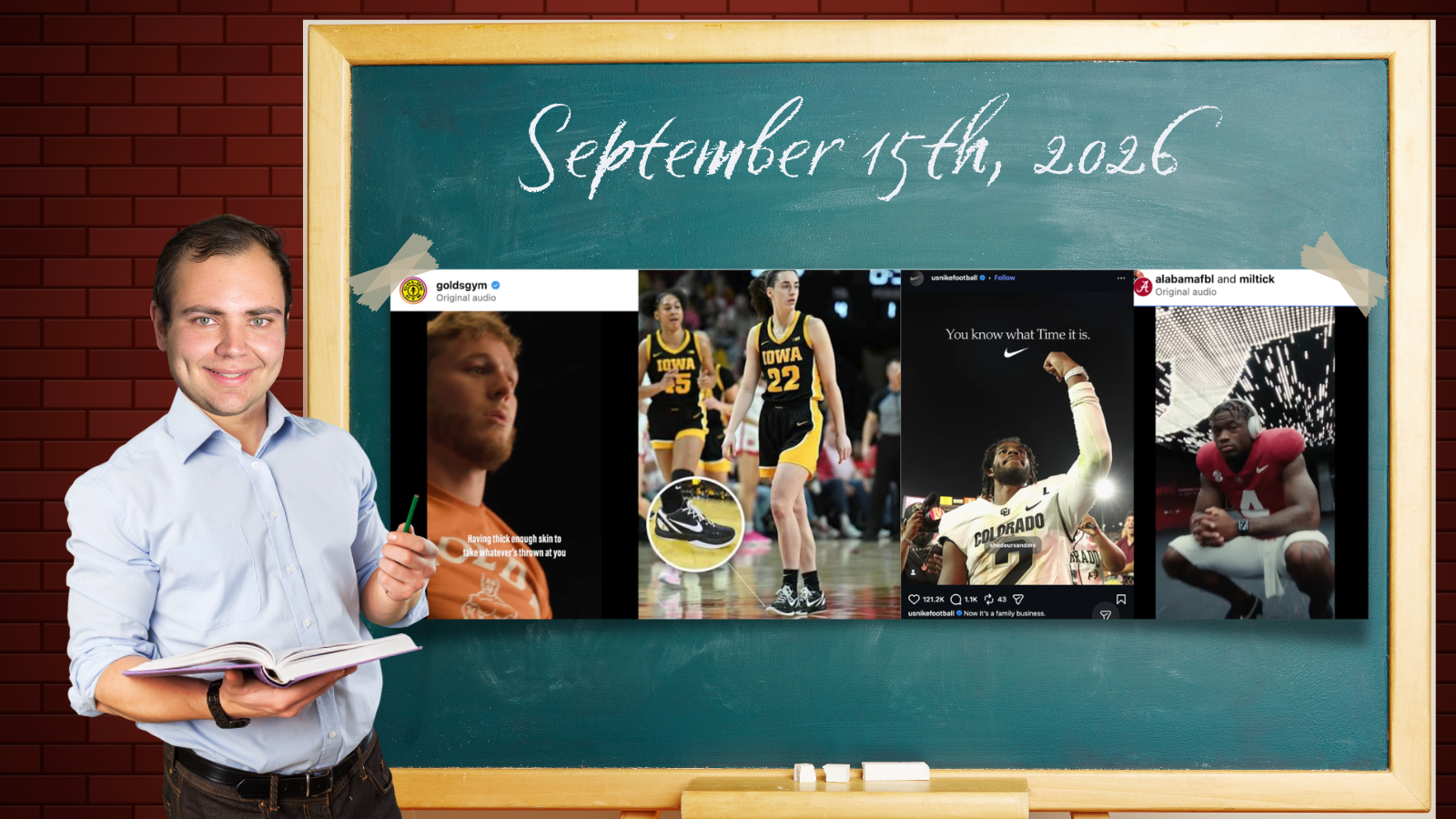 Today’s lesson begins in 1905, when President Theodore Roosevelt almost banned college football. This really almost happened. For a good reason: in 1 year, there were 19 player deaths and 149 serious injuries that season. 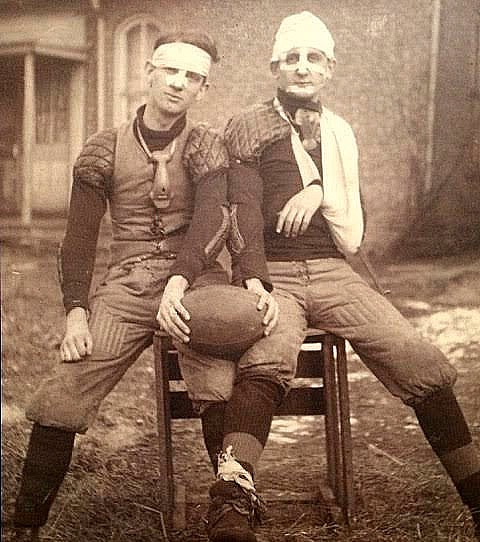 Relatively unscathed players. Yikes. Roosevelt invited coaches and reps from Harvard, Yale, and Princeton to the White House to discuss how to make the sport safer. Universities held reform conferences and agreed that a unified body should regulate rules and keep players safe. Enter the Intercollegiate Athletic Association of the United States (IAAUS). Changes they made for the 1906 season: 🏈: Legalized the forward pass. Nope, no helmet policy. That took another 34 years! Still, the changes made a difference, and things slowly started to improve. In 1910, the IAAUS became the National Collegiate Athletic Association (NCAA). College sports was growing, too: from a youthful pastime to a massive culture driver and commercial enterprise. STUDENT ATHLETESThe NCAA was committed to preserving amateurism. Players were called student-athletes, not athletes. They attended college for an education 1st and foremost, and weren’t entitled to compensation for their athleticism. But college sports was already generating a lot of $$$. In 1931, Big 10 football teams averaged $100K/year from ticket sales, DESPITE the Great Depression. That’s $2M today. 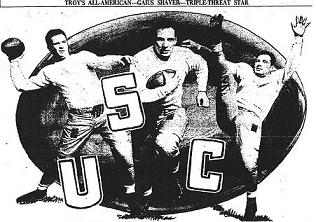 The real triple threat is that high kick At first, players couldn’t even get tuition covered. The NCAA actually BANNED athletic scholarships from 1948-’56. Then, 4-year athletic scholarships debuted, covering housing, tuition, & books. 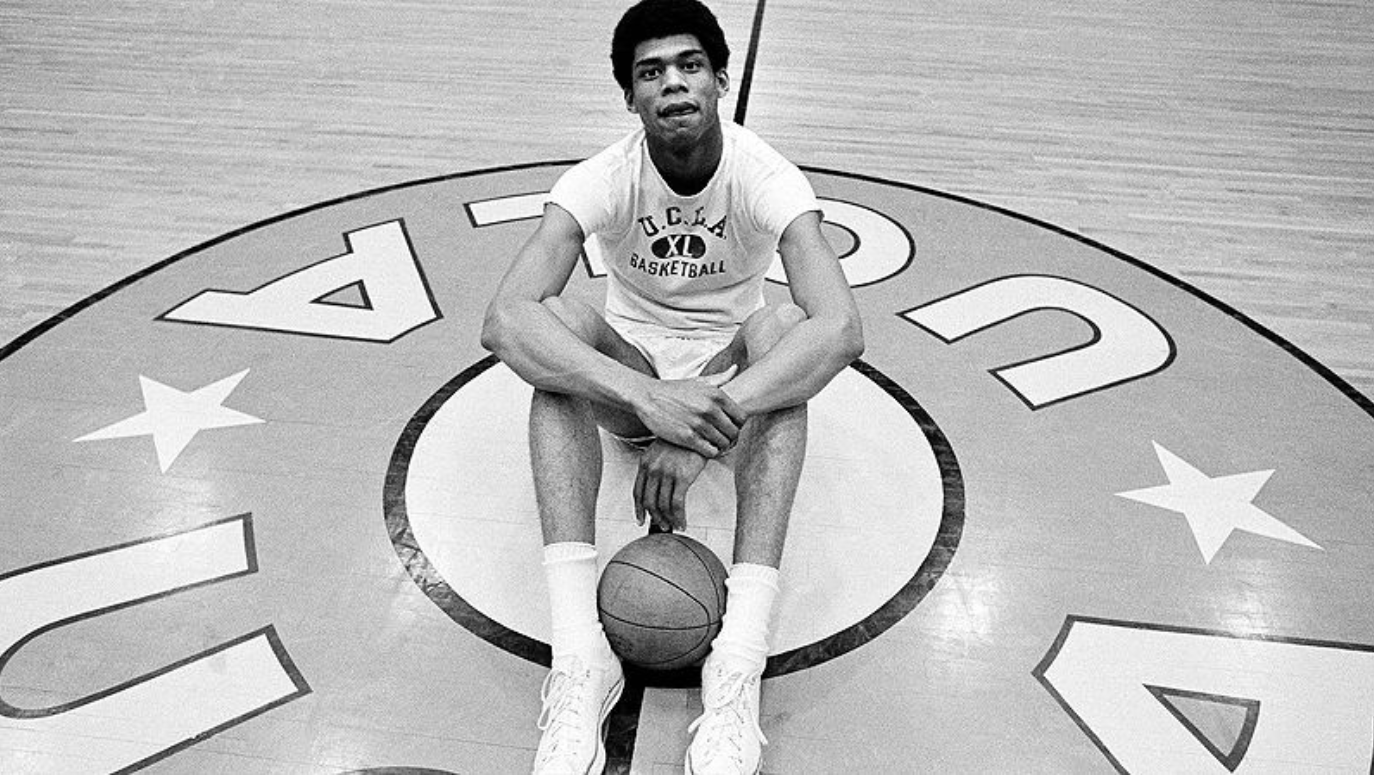 "I was walking out on the court a hero, but into my bedroom a pauper." —Kareem Adul-Jabbar, who had a rich friend scalp his season tickets to get by at UCLA. College recruiting became a major business. In 1973, the NCAA changed the athletic scholarship model to a 1-year renewable grant system. Players could lose a scholarship for poor academic or athletic performance, or even if they got injured. The popularity and earnings of college sports had never been higher, but student-athletes had even less leverage. Going pro was the only way to cash in. Few players got the chance. PROS & CONSProfessional sports weren’t always lucrative. Early NFL players earned $100-300 per game and often worked day jobs in offices, steel mills, and schools. Pay increased with the TV broadcast boom. (Speaking of new Marketing opportunities...if you’re going to UNBOUND, I’m going to this session, & hitting the Tatari booth #78 after, to give away some Marketing Millennials hats to folks who attended. 1st come, 1st served!) Athletes got contracts. Stadiums were upgraded. And player profiles started rising. Endorsements & sponsorships came with it. In the ‘60s and ‘70s, pro athletes appeared in ads for Hanes, Noxzema, Hertz, and more. 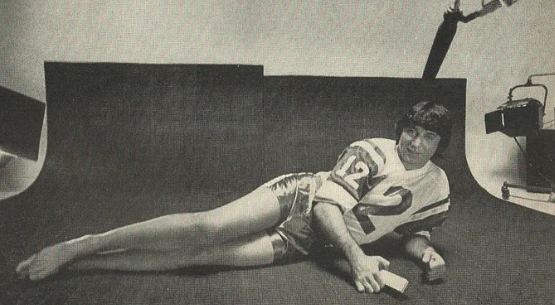 1 of the most famous ads of all time: Joe Namath’s Beautymist pantyhose commercial shoot. But when Nike signed a landmark deal with Chicago Bulls rookie Michael Jordan in 1984, the ceiling for brand endorsements were changed forever: equity entered the picture. Jordan wanted to sign with Adidas, but chose Nike when it agreed to a $2.5M signature shoe deal…PLUS a 5% royalty on Air Jordan sales in perpetuity. (Jordan’s mom’s idea. Always listen to your mom.) 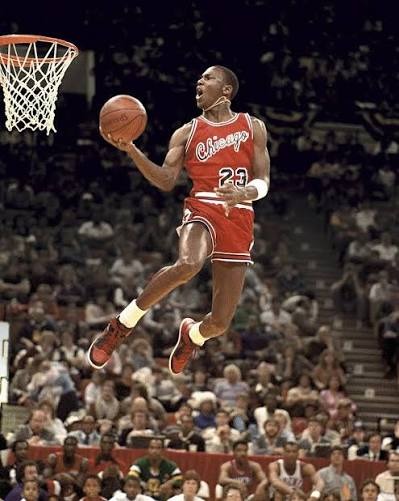 Jordan’s made ~$3.3B off Air Jordans alone. That’s $250-300M per year. SLAM DUNK! With endorsements & salary caps growing, no surprise a lot of athletes opted to skip college to go pro out of high school. If it was allowed. Different leagues have different rules: 🏀⚾: The NBA and MLB allow players to head straight to the big leagues. Aspiring pro football players aren’t required to play for a college team, but it’s a great way to stay in the game & get spotted by scouts. The tension here: if you get injured, you might lose your chance at going pro. Making it tenser: football drives the majority of revenue for collegiate athletic departments, often subsidizing other sports. Players saw none of the profits. Then, in 1997, EA rebranded the video game College Football USA to NCAA Football 98, after signing a licensing deal with the NCAA. Over the years, games used team names, mascots, songs, and featured popular players on cover art. 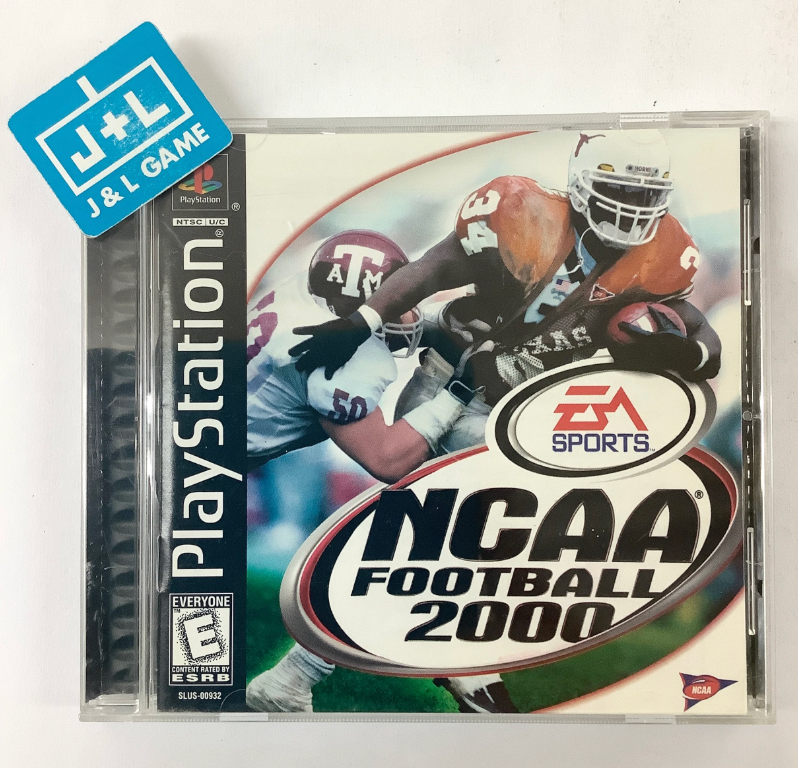 The athlete version of “getting paid in exposure.” In 2009, former quarterbacks Ryan Hart from Rutgers and Sam Keller from Nebraska sued EA over the use of their likenesses. Then, retired pro players filed a class-action lawsuit against EA in 2015 over Madden NFL. In 2015, the legal battles resulted in a $40M settlement between EA, collegiate licensors, and players over NIL rights. Change was in the air... SHOW ME THE MONEYA lot of this is about audience and distribution. In the past, institutions got to gatekeep exposure. But now, especially on social media, anyone can engage directly with their audience and build a following, which can then become an income stream. When California passed the Fair Pay to Play Act in 2019, college athletes could make money from their NIL for the first time. Florida, Colorado, Texas, & others followed. And after getting hit with a bunch of antitrust lawsuits & federal class-actions, the NCAA finally passed NIL policies in 2021 & 2025, and paid almost $3B in backpay to D1 athletes. 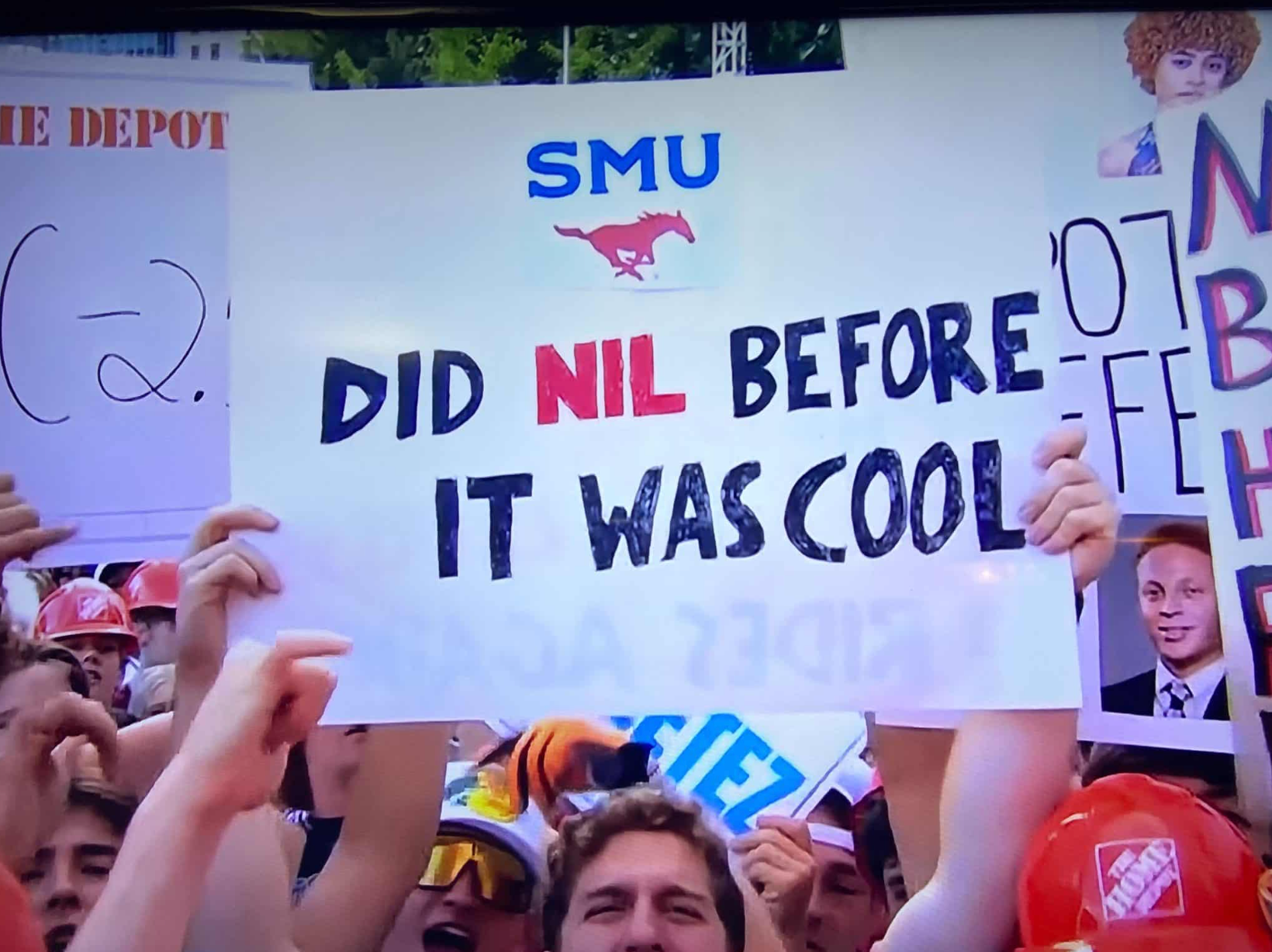 Zing! For the first time, D1 college athletes owned their own brands. They were allowed to earn money from endorsements, autographs, social media, and business ventures WITHOUT losing athletic eligibility. (D1 schools can also share some revenue with athletes, with the cap growing each year. Helps them with athlete recruitment, too.) D2 and D3 athletes don’t get direct payouts, since their programs don’t bring in that kind of revenue, but they CAN theoretically earn NIL money. It was a whole new game. PUT IT IN PRACTICEAudience is your #1 asset. In college sports, institutions used to hold that power. NIL rights gave it back to athletes. Time to see where your brand stands. Here’s your homework: 1️⃣. Audit where your audience relationship is rented vs. owned. 2️⃣. Find 1 MVP in your org. 3️⃣. Build 1 owned audience asset. DON’T HATE THE PLAYERS…Legislation had officially cracked open the earning potential of college athletes, whether they go pro or not. It's raised a lot of new questions on college campuses. But in the meantime, we’re already seeing the effects. Caitlin Clark, Angel Reese, and Paige Bueckers were all in college when the NIL era began, and built huge personal brands. Their audiences followed them to the WNBA. (Along with endorsements by brands like Nike, Gatorade, Reebok, & my favorite campaign name: Angel Reese for Reese’s Pieces, LOL.) 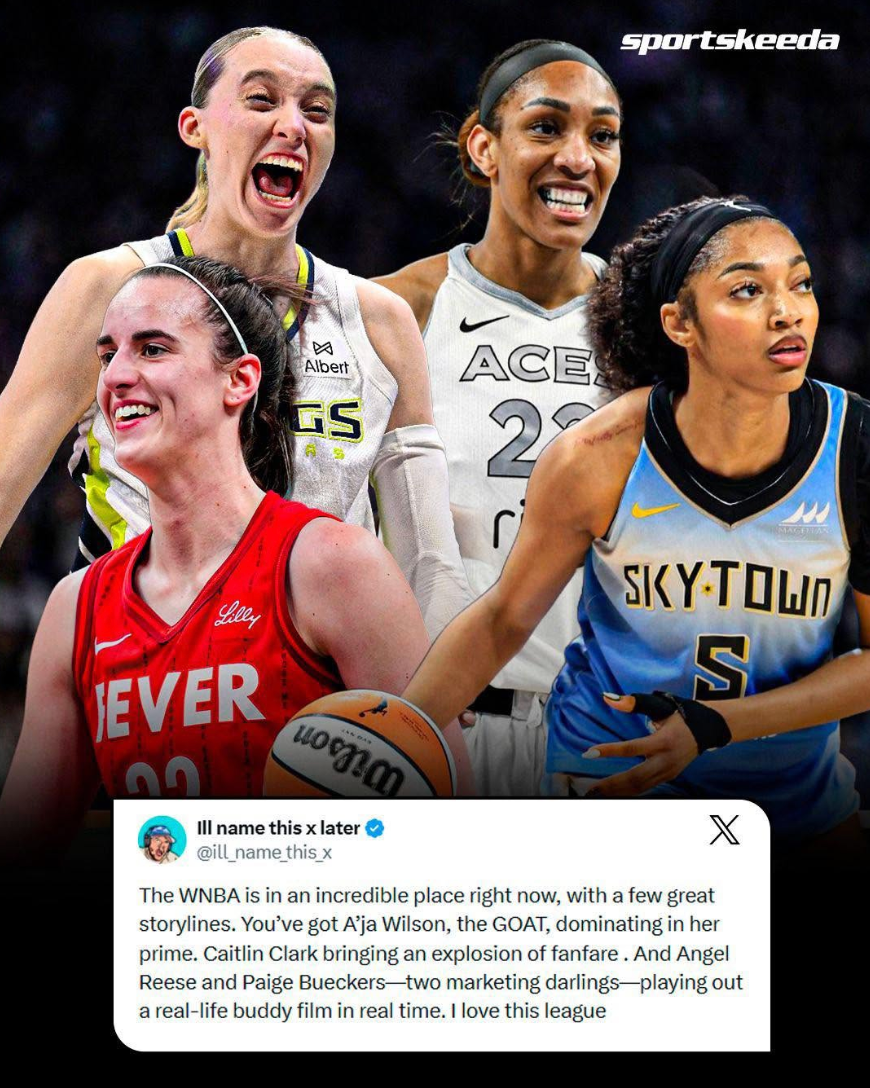 Heir Jordans. 🔥 This helped the league gain record attendance, viewership, and merch sales over 2 seasons, which also helped make it possible for the WNBA's historic new player agreement, bringing their salary cap from $1.5M to $7M. The deal also has the 1st revenue-sharing model in women’s sports, where players earn around 20% of the league’s revenue. Owning their own distribution & audiences gave athlete brands leverage that compounded. Audiences followed the careers of “creators” they loved into the pros. And those eyeballs had $-signs attached. The NIL ripple effect is already massive. Who else could benefit? Elite high school athletes? Lesser-known Olympians, who work day jobs to pay for their training and gear? College gymnasts and cheerleaders with serious skills, but no clear pro path? For my money, it’s anybody’s game. MARKETING CHEAT SHEET (WHAT TO LEARN FROM THIS STORY): 1️⃣. Audience ownership is the asset. 2️⃣. The gate is gone. 3️⃣. Personal brands are assets, not liabilities. 4️⃣. Individual equity compounds into serious leverage. 🏰 EVENT OF THE WEEK Someone just typed a question about exactly what you do into ChatGPT. Did your brand show up in the answer? On 9/23, I'm hosting a workshop on getting AI-recommended + 5 more tactics to be holiday-ready. Join us live or RSVP for the recording. 🎁 IN A MEME 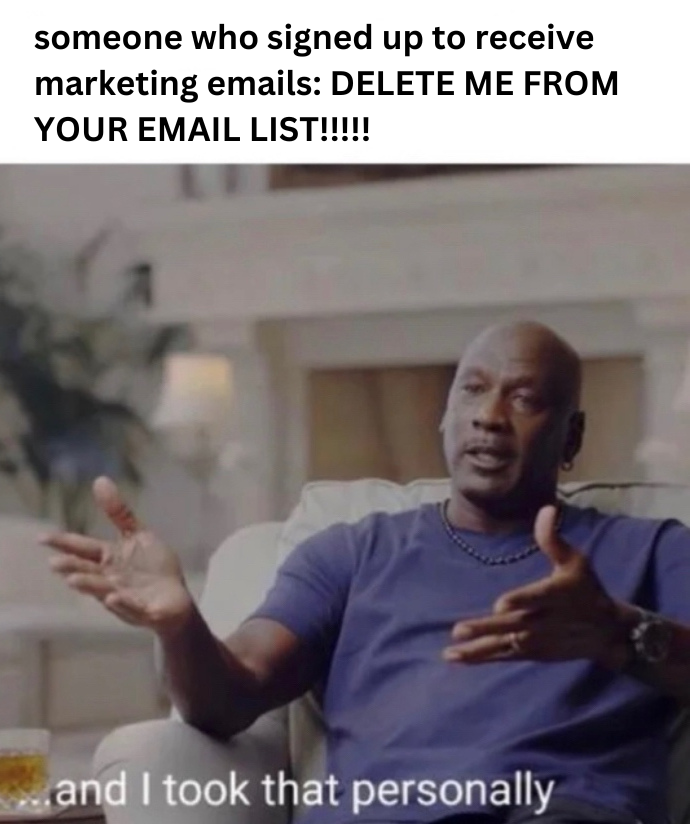 Ahh, the bell has rung. Please be sure to do the reading (follow The Marketing Millennials on LinkedIn and me, Professor Millennial, on X). Off you go, passing period is only 11 minutes and there’s already a line at the vending machine that sells UC Bearcats merch. Until next time, | |||||||||
|