 | ||||||||||||
A Busy Fintech Week | ||||||||||||
| Here’s what I saw and heard in New York. | ||||||||||||
| ||||||||||||
| | ||||||||||||
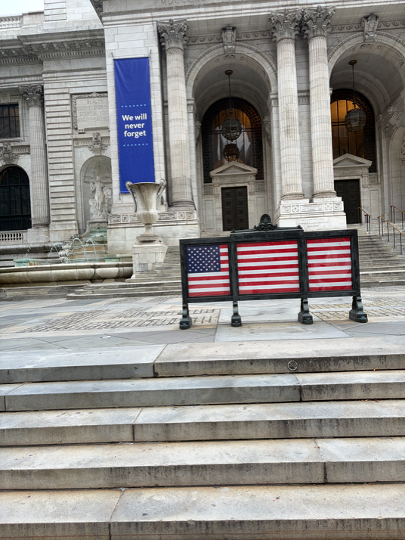
 Hi All, I hope you’ve had a good week. I have just wrapped up a very productive four days in New York; a combination of 1:1 meetings and time speaking and listening at FinovateFall and the Cash Flow Intelligence Summit. Thank you to everyone who took the time to chat with me. It’s also a somber day in New York, on the 25th anniversary of 9/11. Walking around and seeing a city that is both alive and bustling, but also, clearly, remembering that unbelievably awful day, is a profoundly strange experience. I’m grateful for the opportunity to see it firsthand and to reflect on how much has (and hasn’t) changed since then. We will certainly never forget. - Alex Was this email forwarded to you? Sponsored by Equifax Traditional underwriting assumes a borrower banks in one place, which is where the risk hides. A Busy Fintech WeekIt was a very busy and productive week, and, as is the tradition around here, I want to empty my notebook of all the interesting thoughts, ideas, observations, and questions that I encountered during my travels.
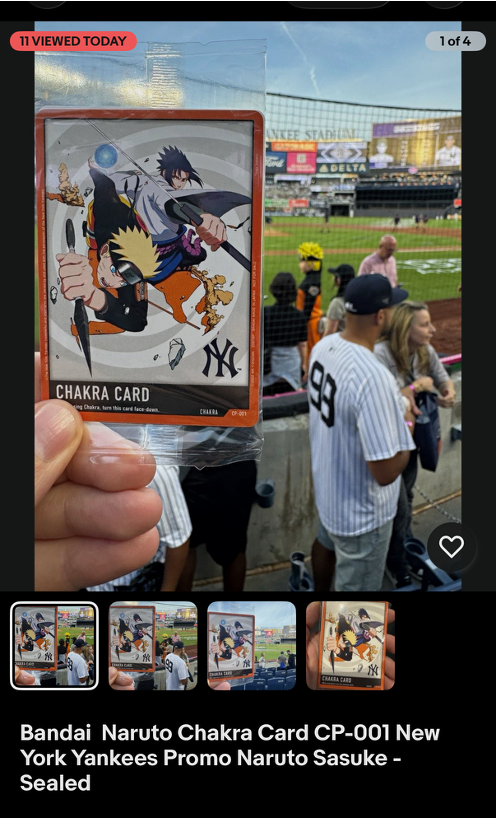
My IRL NFT ExperienceI had an odd experience at the beginning of my trip. I had the pleasure of attending a New York Yankee game with a few of my fintech friends (thank you to the folks at Spinwheel for the invite!) It was an enjoyable game. Aaron Judge returned, after being out for 100 days with a rib injury. And the Colorado Rockies tried valiantly to stage a 9th inning rally, only to fall short, 3-5. What neither me nor my fellow attendees knew, prior to our arrival at the stadium, was that it was “Naruto Night” at Yankee stadium. For those who don’t know (which included me until very recently) Naruto is a Japanese manga series that has sold over 250 million copies in 46 countries, making it one of the most popular manga series of all time. The first 40,000 people who entered the stadium (of which I was one) received a limited-edition Bandai Naruto x Yankees "Chakra Card." And it turns out, bizarrely, that this card is worth a little bit of money! Immediately upon entering the stadium and receiving my card, I was accosted by multiple people waving cash in my face, offering to buy my card. This marked the start of my Naruto card investor journey, which I will briefly summarize:
Me and several of my fellow attendees ended up selling our cards to a gentleman for $100 each. He told us that he was confident that he would be able to resell them on eBay for $140 each.
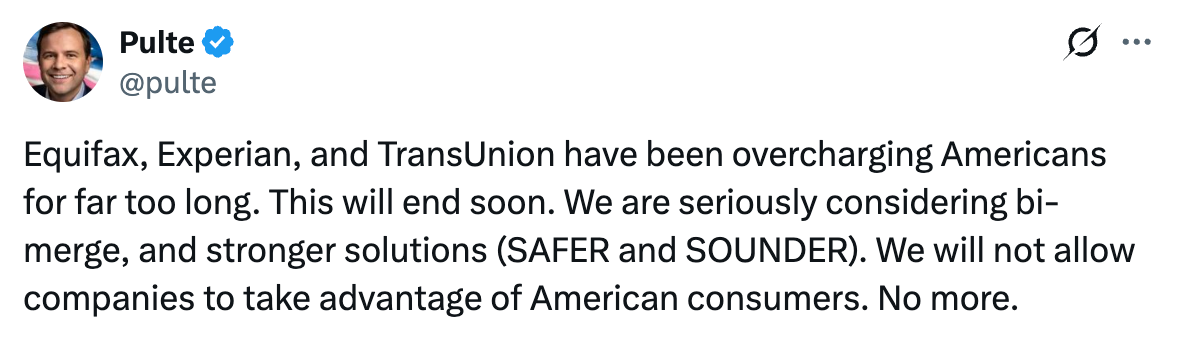
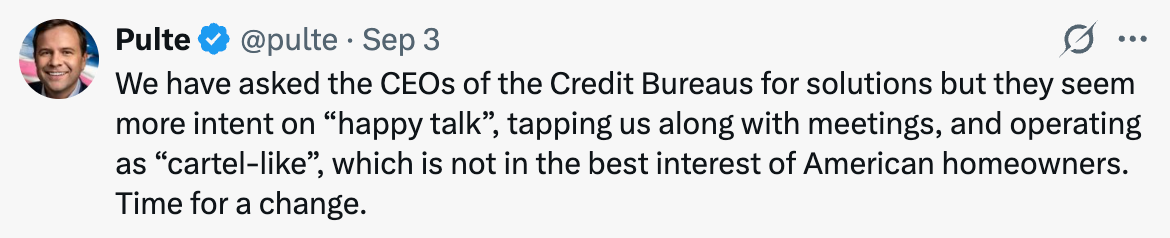
Over the course of several hours, we essentially got to experience the full lifecycle of it was like to “invest” in NFTs in the halcyon days of 2021, only IRL. It was quite the gamut of emotions! Confusion, followed by amused incredulity after the card was airdropped to me. Followed by anxiety that I wouldn’t be able to sell this thing that has no inherent value for as much as I briefly thought I might be able to. Ending with giddy relief when I was able to exit my position and book any gain at all. We May Need to Bring Back Rate and Withdrawal LimitsAs I have said and written many times around here, banks’ core business model (net interest margin) is heavily reliant on human inertia. Banks pay less for funding and charge more for credit precisely because both sides of the balance sheet are populated by people who mostly don't optimize the rates they pay and are paid. What’s interesting is that, historically, Congress and the bank regulatory agencies have had rules in place that governed how much banks can pay in interest and how frequently bank customers can move between interest-bearing and non-interest-bearing accounts. Reg Q dates back to the 1930s and the regulatory changes that were made to shore up the stability of the U.S. banking system during the great depression. It banned interest on checking accounts and capped interest on savings accounts. The rate caps on savings accounts were phased out during the 1980s, in order to allow banks to compete more effectively with money market funds, which had become much more popular due to surging inflation in the 1970s. Around that same time, Reg D’s limit of six "convenient" withdrawals per month from savings accounts was introduced in order to keep savings accounts from functioning as reserve-free checking accounts. The Reg D withdrawal limitations were eliminated in 2020, in response to the acute financial stress faced by U.S. households during the COVID-19 pandemic and the Fed’s move to an ample-reserves framework. As unpopular as this notion may be, we may need to bring something like Reg Q and Reg D back. Agentic AI is the end of inertia. Give every consumer a tireless AI-powered treasury desk that sweeps deposits to the highest yield overnight and refinances debt the instant a better rate appears, and deposits and loans become perfectly rate-sensitive. Candidly, I don't see how uncapped rate competition survives contact with AI agents that make switching instant and effort-free. Congress and bank regulatory agencies are going to have to do something to preserve banks’ ability to profitably engage in maturity transformation, and Reg Q and Reg D provide useful templates for how to think about this challenge. Bill Pulte is Tweeting!I think of Bill Pulte, Director of the Federal Housing Finance Agency (FHFA), as the id of the second Trump Administration. He often doesn't seem to act with much forethought or planning and, to be candid, he doesn’t seem particularly troubled by the moral implications of some of his actions. He just acts on instinct. And, often, his first instinct is to tweet about whatever he’s thinking of at that moment, with no subtly and no filter. This week, Director Pulte’s instinctual reactions became trained on the credit data and analytics market. He tweeted about the credit bureaus overcharging U.S. homebuyers by selling three reports to mortgage lenders for each application they underwrite (the so-called “tri-merge” requirement) and his interest in exploring the move to a bi-merge requirement:
He referred to the bureaus as being “cartel-like”:
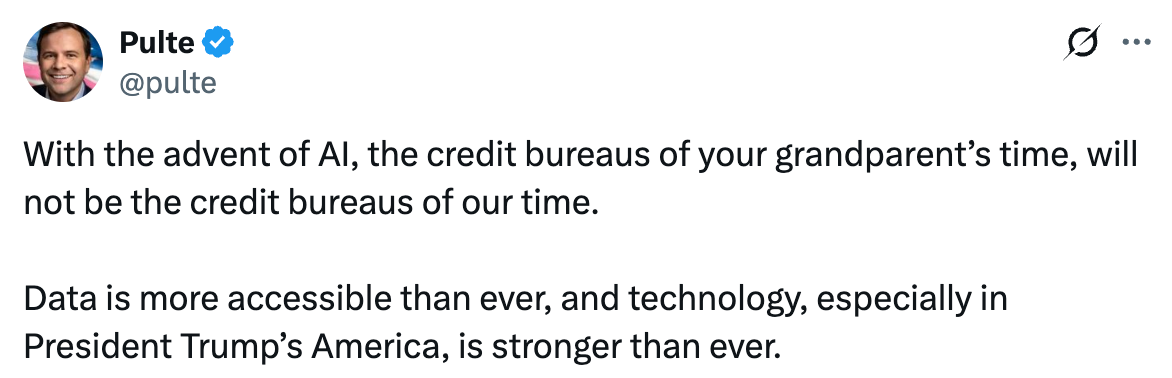
And posited that AI would completely reshape the credit bureaus:
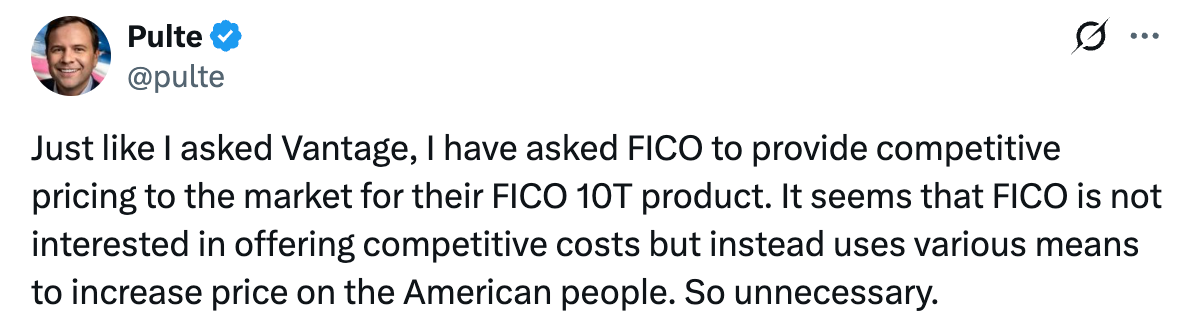
(Editor’s Note — I know quite a few folks in the open banking space who would disagree with the statement that data is “more accessible than ever” in President Trump’s America.) He also, seemingly, had a very bad call with FICO:
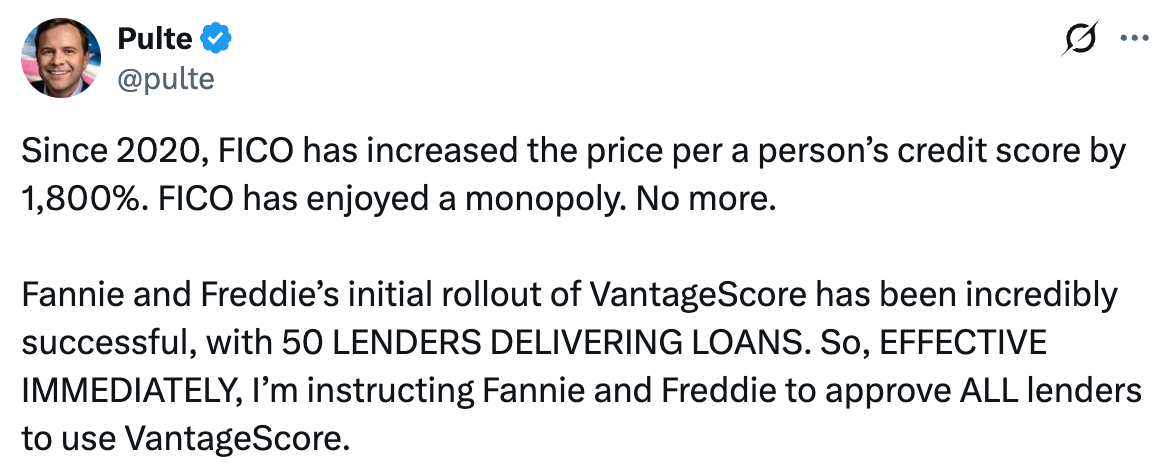
Which motivated him to try to accelerate the roll-out of VantageScore as an alternative option for mortgage lenders originating conforming mortgages:
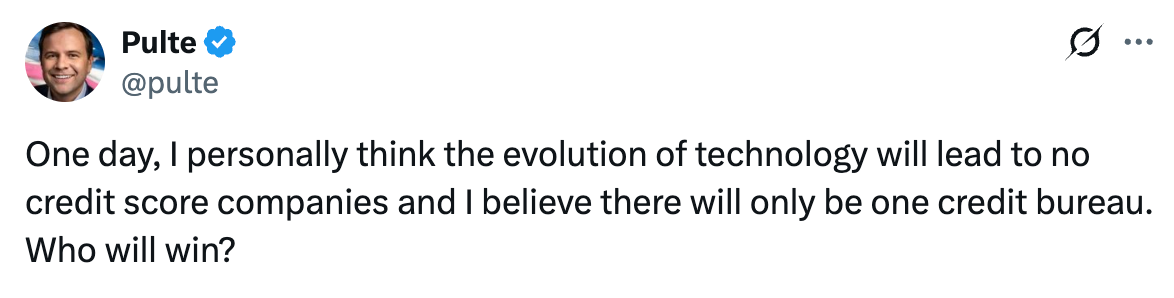
And he offered a rather strange prognostication:
I have many many thoughts on Director Pulte’s public stream of consciousness. Here are a few of them:
There’s an Opportunity to Sell Cash Flow Data to Secondary Market InvestorsI thought of this question while I was attending Nova Credit’s wonderful Cash Flow Intelligence Summit: Why haven’t we seen a non-mortgage lender try to leverage cash flow data to secure better pricing from secondary market investors? Cash flow data is being used, in production, by lots of lenders to make better risk decisions, either on consumers with thin or missing traditional credit files or as a supplement to traditional credit data for full-file consumers. And yet, as far as I can tell, none of those lenders have attempted to carry any of this enhanced diligence forward into the loan sales or securitization process. Outside of a few outliers like Pagaya and Figure, secondary market investors are still mostly pricing loans based on FICO Scores and some manual verification of the loan-level data, even though the lenders that are originating those loans are increasingly using far more sophisticated data and analytics during the underwriting process. This is strange! It’s a bit like choosing to exclusively watch Christopher Nolan movies on the tiny little seatback screens they have on airplanes. The way you are evaluating the product does not allow you to value it appropriately! Why doesn’t a lender secure expansive, upfront permission from borrowers to use their cash-flow data across the whole lifecycle — not just underwriting and servicing, but loan sales and securitization — then pair that data with its own underwriting model to help secondary market investors price its assets more intelligently? Under Rohit Chopra this wouldn't have flown. His open banking rule leaned hard on data minimization and secondary-use limits, and pointedly refused to let firms consent their way to broad downstream reuse. But that rule is now being rewritten by the current CFPB to better suit market realities, so the door is open. Someone should try to walk through it. Cash Flow Data is Coming to Indirect Auto LendingSpeaking of lenders using cash flow data in new and interesting ways, I was fascinated to see the announcement from Nova Credit and Cox Automotive that they had partnered to bring cash flow data to indirect auto lending:
The companies are focusing on income verification first, because it’s one of the more manual, friction-laden steps in the indirect auto lending process:
Faster income verification tends to be more important in near-prime and subprime auto, where ability to pay is often used to buttress lenders’ decisions to loan money to consumers who have a spottier willingness-to-pay records. So, no surprise, Westlake Financial is among the first lenders that will be using it:
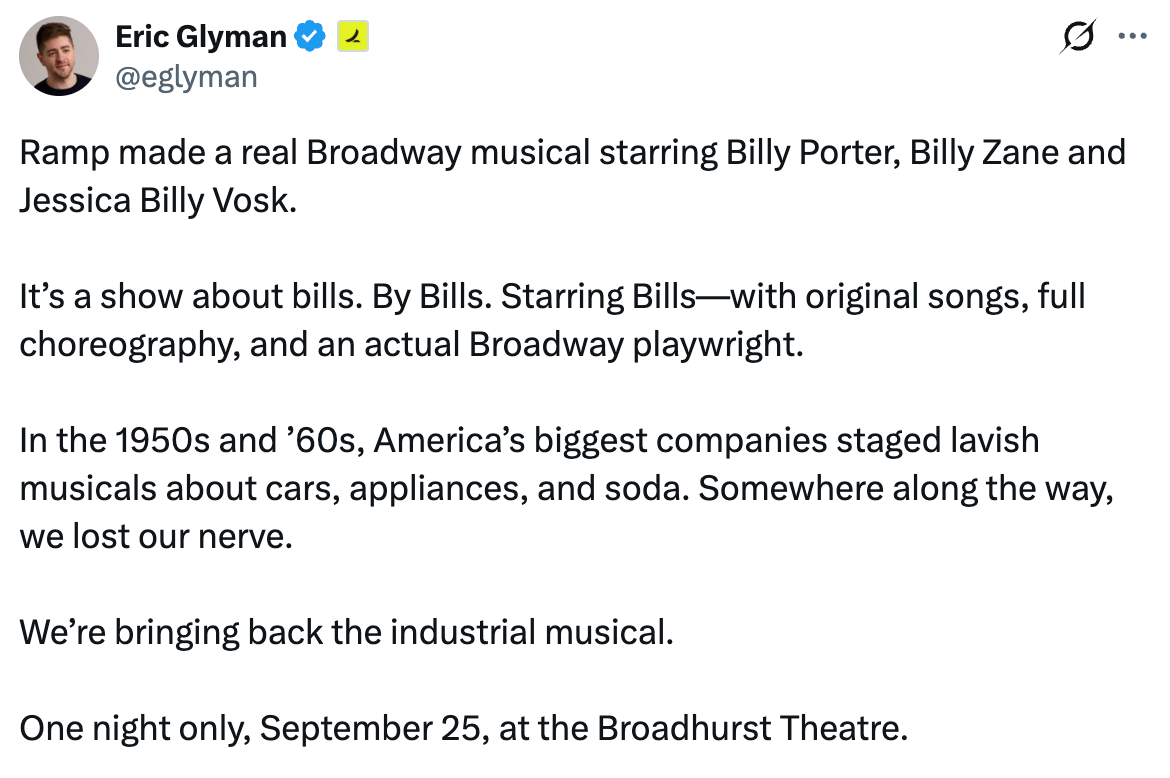
Nova and Cox are planning to bring cash flow data, more broadly, into indirect auto lending. However, that may take a little longer given how reluctant dealerships are to add more friction (due to consumer permissioning) into the automated underwriting process for prime and super-prime customers. The Difference Between a Safe Harbor and IndemnificationThe FDIC, Fed, NCUA, and OCC just proposed updated third-party risk management (TPRM) guidance. This is exactly what my friend Evan Weinberger reported that they were working on, when he broke the news last month that the FDIC was spearheading a standard-setting initiative focused on TPRM. The proposed guidance does specifically talk about how banks would be able to leverage standard-setting and certification organizations to help satisfy their TPRM obligations, which is very interesting, though not unexpected. I’ll have more analysis for you on this story in Monday’s newsletter (and I’d also watch out for Jason Mikula’s newsletter on Sunday). However, for now, I’ll just offer one thought. There’s been some confusion about whether choosing third parties that are certified under this new standard-setting initiative would provide banks with a regulatory safe harbor against any future problems relating to those third parties. The answer is almost assuredly no. Regulators generally don’t like offering safe harbor to companies they supervise, no matter how impactful such guarantees might be. I do not believe that the FDIC (and the other agencies) have any intention of offering any form of safe harbor in regard to these TPRM standards and certifications. However, the more interesting question is whether anyone involved in this standard-setting initiative would be willing to stand behind them. Would, for example, the independent assessors — the companies that would evaluate a third party against the standards and provide the information necessary for them to be certified — be willing to indemnify banks against future losses due to operational or legal costs caused by those third parties? Industrial Musicals Are Back!Ramp is reportedly in early talks to raise $1B at a $60B valuation, even though it already raised $750M in a Series F round at a $44B valuation in June of this year. And you know what? They have to do this. THEY HAVE TO. Because producing a Broadway musical isn’t cheap and Ramp has apparently produced a Broadway musical. Here’s Ramp Co-CEO Eric Glyman:
If this seems too strange to be true, I’m right there with you. Although, sometimes truth is stranger than fiction. For example, industrial musicals were actually a big thing in the 20th century. During the post-WWII economic boom, companies like Ford, General Electric, Westinghouse, and Xerox poured massive budgets into private shows, staged exclusively for employees, distributors, and salespeople to build morale, introduce new product lines, and motivate teams to drive corporate profits. In fact, corporations frequently outspent contemporary Broadway productions and top-tier talent (composers, lyricists, and actors) were regularly hired to craft these internal shows. I asked a bunch of questions about this on Twitter:
And Ramp’s company Twitter account replied:
That answer is a little too simple for my liking (HOW MUCH DID THIS THING COST TO MAKE?!?), but at least I know I will be receiving a neon-yellow vinyl record of the original cast recording of Bill Pay: The Musical. WHERE I'LL BE We’re in it now! One big week is now in the books, but we have fun stuff coming up in Toronto next week (check this out if you’ll be in the city on 9/16) and Salt Lake City at the end of the month. ✈️ FDATA Global Open Finance Summit | September 17 | TorontoThis will be my first time at an FDATA event and my first time back to Toronto in a long time. If you work in open banking in Canada and want to yell at me for my bad takes in the past, this is your chance! ✈️ AI-Native Banking & Fintech Conference | September 29 | Salt Lake CityThe name of this event is a mouthful, but the content and networking are both A+. 💻 The Science (and Fiction) of Friction | September 30 | VirtualThis will be a really fun virtual event, where me and Tomas Campos, CEO of Spinwheel, will be poking at some really important assumptions in digital lending. Join us! Thanks for the read! Let me know what you thought by replying back to this email. — Alex | ||||||||||||
|