{beacon}
 | |||||||||||
| | |||||||||||
 Hi Marketing Bestie, Ok for the foodies out there that end up in San Diego. I grew up here and am home visiting so need to share my burrito short-list. Not ranked:
You are welcome.I’m drooling. Was this email forwarded to you? Sponsored by Optimizely I read a LOT about AI. (you're welcome LOL) SPARKNOTES FROM THE POD 5 WAYS TO BUILD AN ORGANIC SOCIAL FOLLOWING THAT ACTUALLY MEANS SOMETHINGJenny's been in social media for more than 20 years. Started as a TV journalist, moved into editorial and digital content strategy, and somehow ended up building one of the biggest organic social followings in higher education at MIT. Seven million followers across X, Facebook, LinkedIn, and Instagram. Almost entirely organic. And she figured out something that most brands get wrong: Social media is a marathon, not a sprint. It's about understanding your community. It's about doing one thing exceptionally. It's about thinking through the angles before you post. Listen to the full episode here where Jenny breaks down the six M's framework, why being on every platform is the wrong move, and why word of mouth still beats every tactic you're trying. 1️⃣. Listen To Your Community. Engagement Is Instant Feedback On What They Want To See.Jenny's Take: "An engagement or a like or a share is like a vote. It's like instant feedback saying, I like this content, I want to see more of this content. And so like as we got more engagement, you know, we would really hone in on like what was about what it was it about this post that got so much attention or so many likes. And we just try to do more of it, right? Like it's it's lean into what your community wants." An engagement or a like or a share is data. It's telling you exactly what your community wants. Jenny looks at what gets attention. What gets likes. What gets shares. Then she does more of that. This requires paying attention. Reading the comments. Seeing who's engaging. Understanding the patterns. Then leaning in harder. Takeaway: Track your last 40 posts. Rank them by engagement (likes, comments, shares). Look at the top 5. What do they have in common? Topic? Format? Tone? Timing? Then create more content in that direction. Let the data tell you what works. 2️⃣. Organic Social Takes Time. Building Community Is A Marathon, Not A Sprint.Jenny's Take: "I always see social media, organic social media is a marathon, right? You can't it's not a fast process. Growing community takes time. Building relationships take time, right? Like, can you like in all of the relate like the strong relationships or friendships you have, they've probably like grown over time, right? Like it and it's the it's the same thing and social media." This is the hardest lesson for brands to learn. You can't buy your way to community. You can't viral your way there overnight. You can't hack it. Community takes time. Trust takes time. Relationships take time. Jenny's been doing this for more than 20 years. The organic following at MIT didn't happen in six months. It happened over years of consistent, intentional content. Of listening to the community. Of showing up. This is why paid strategies can feel faster. You get immediate results. But you're renting attention, not building community. Takeaway: Commit to your organic strategy for at least 18 months before deciding it's not working. Track growth month to month, not week to week. Focus on building relationships, not vanity metrics. If you're looking for quick wins, that's fine. But if you want real community, you're in this for the long game. 3️⃣. Don't Be On Every Platform. Be Exceptional On One Platform Instead.Jenny's Take: "I feel like everyone thinks that they need to be on every platform, right? And they're just sharing the same content on every platform. And I tell often tell people, if you're sharing the same thing the same way on every platform, you're doing it wrong. You're doing it wrong. Right. So I think rather than being all of the spaces, where is your audience? Like be in one place and do it above, like do it exceptionally." This is the biggest mistake. Trying to be everywhere. You end up stretched thin. You're not creating platform-specific content. You're just copying and pasting. And it doesn't work. Each platform has a different culture. Different format requirements. Different audience expectations. LinkedIn doesn't work like TikTok. Twitter doesn't work like Instagram. But if you're sharing the same content the same way, you're treating them all the same. Jenny's approach: Know where your audience is. Focus there. Do it exceptionally. Once you've mastered one platform, then expand. Takeaway: Pick 1 platform. The 1 where your audience actually hangs out. Not the trendy one. Not the one with the most features. The 1 where your people are. Then build an exceptional presence there. Platform-specific content. Regular posting. Real engagement. Master it for 6 months. Only then think about expanding to a second platform. 4️⃣. Think Through All The Angles Before You Post. Anticipate How It Could Be Misunderstood.Jenny's Take: "How like what's a name that like my kid will be not bullied for you know, you think about that, right? So I like think about content like how does how what are all the ways this content can get trolled? I mean, I I totally think about that. And so like I feel like like by doing that it you know, helps me to s to maybe avoid it. And also I bring in the right people to consult, you know. If it's like has to be if it's a topic about like a certain culture that I'm not familiar with, I make sure I ask the person in that culture, it am I presenting this right? Can you foresee anything that we might be, you know, get criticism for?" Before you hit post, think like a parent naming a baby. Could this get misunderstood? Could this offend someone? Could this be taken the wrong way? What are all the ways this could go sideways? Jenny does this religiously. She thinks through potential criticism. She brings in people from communities she's talking about to vet the content. She looks at it from every angle. This isn't about being afraid to post. It's about being intentional. It's about anticipating issues before they become issues. Takeaway: Before posting content about a community or topic you're not deeply familiar with, ask someone from that community to review it. Ask: Could this be misunderstood? Could this get trolled? What am I missing? Build this into your process. It takes 10 extra minutes. It saves you from months of backlash. 5️⃣. Word Of Mouth Still Beats Everything.Jenny's Take: "I would still say that nothing is nothing will ever beat like word of mouth recommendations. Like nothing. Like and like anything that is and that's sort of like organic r you know, like just commenting, but like organic referrals, like you'll ask, do you know of a good dentist or do you know of a good pet walker, a dog walker. Like you're gonna take, you know, the word of like your friend or your relative over like anything I'm delivered in a ad b a banner ad, you know? so I don't know. I just still I I think that's still king." Word of mouth is still the most powerful marketing channel. When your friend recommends something, you trust it. When a stranger's ad shows up, you ignore it. That's human nature and it hasn't changed. So optimize for shareability. Make content that people want to send to their friends. Content that makes them smile. Content that teaches them something. Content that's worth a DM or a story share. That's way more valuable than content optimized for likes. A piece of content shared in someone's story is gold. Someone screenshotting and DMing it is diamond. Takeaway: After you publish, ask: Would someone send this to a friend? Would they screenshot it? Would they DM it? If not, it's not optimized for word of mouth. Reframe your content with shareability in mind. Think about what makes people want to spread it. That's what builds real community. Sponsored by Roku The biggest shopping week of the year is ALSO the biggest week for streaming TV. 🏰 EVENT OF THE WEEK Can't go 5 minutes without someone's AI hot take. Leadership expects a plan. Vendors all say they have the answer. LinkedIn makes it look easy. On August 19th, we're skipping the talk and going straight to the build. No theory, no vendor pitch. Just what it takes to get your 1st agent working. IN A MEME 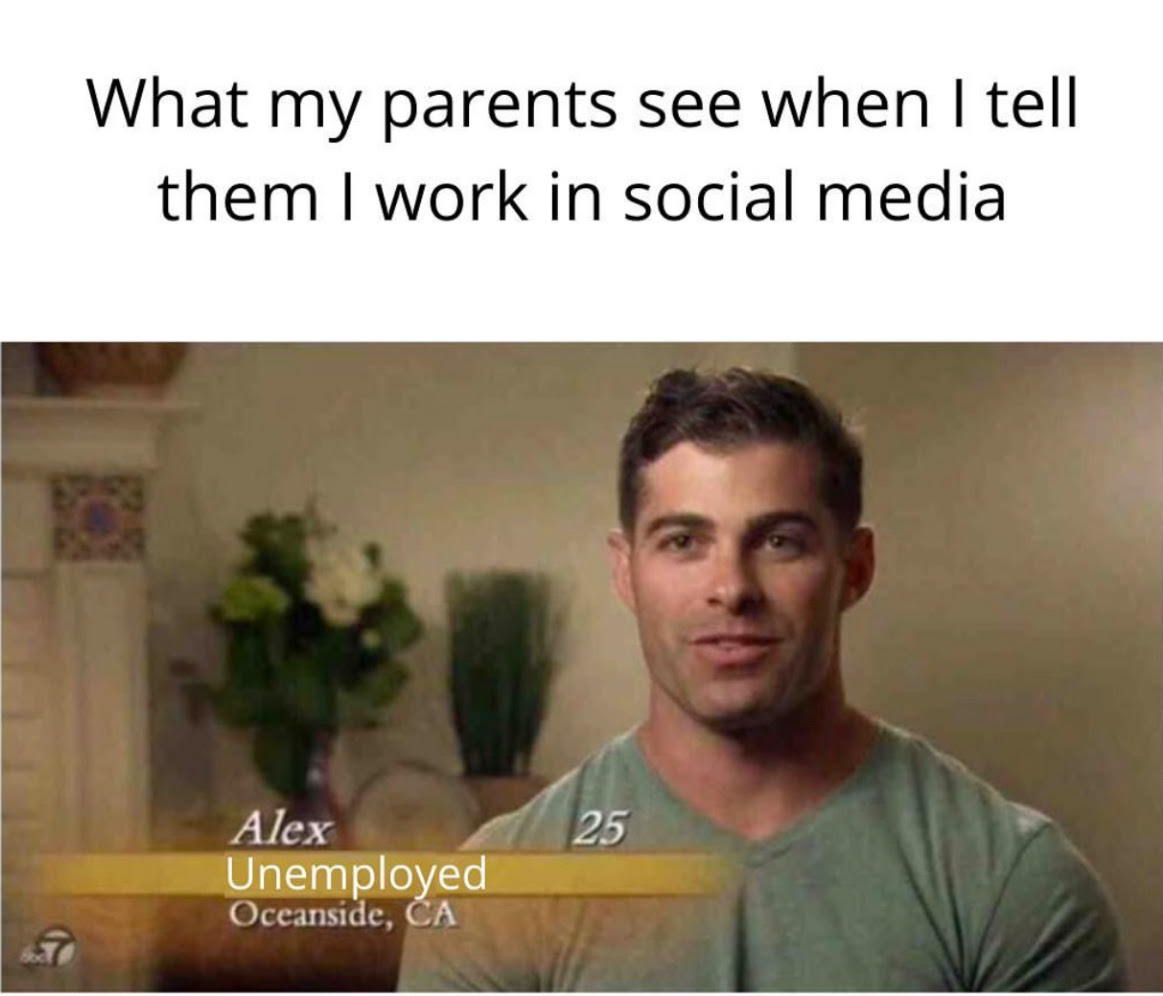 Oh I forgot to mention. I love a California burrito or a breakfast Burrito. Your friend, Daniel | |||||||||||
|