{beacon}
 | ||||||||||
| | ||||||||||
| Hey Marketing Bestie, Us marketers sure can learn a lot from our Marketing fore-fathers and fore-mothers. Consider this a parade for the greatest Marketing campaigns in memory. Welcome to Marketing Classics 411, a new kind of ancient history. In place of hieroglyphs, expect to decipher the campaigns of yesteryear. Professor Millennial teaches every Tuesday (remotely), via electronic mail. Class is now in session. Was this email forwarded to you? OWN IT How An English Brewery Invented The Modern BrandProduct placement in movies and TV is at an all-time high. (Helps with those production costs.) But one of the 1st examples? It pre-dates screens altogether. Can you spot the brand in Édouard Manet’s 1882 painting “A Bar at the Folies-Bergère”? 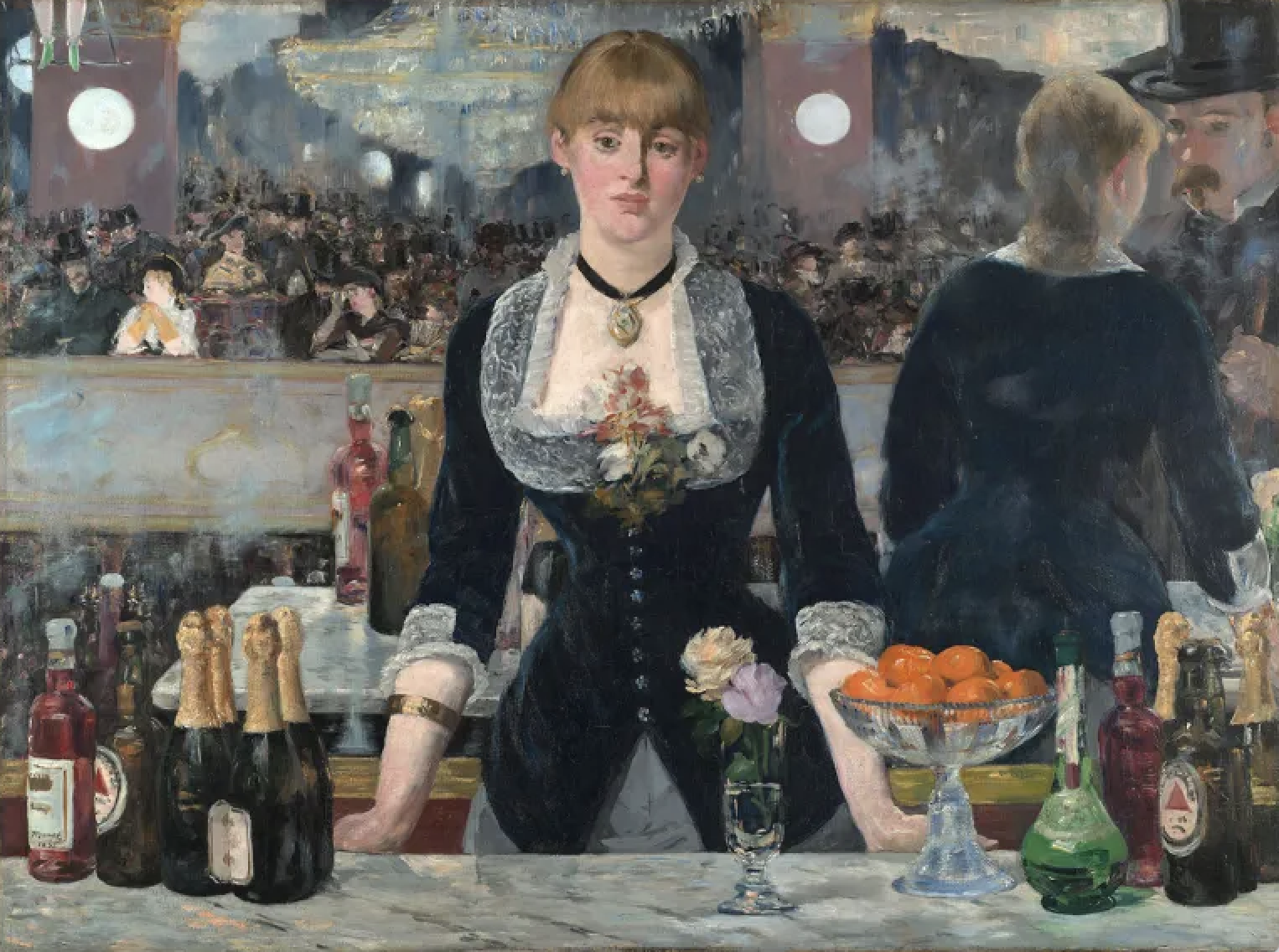 Wait for it, wait for it… That beer label in the bottom right, with a red triangle - it belongs to Bass Brewery, the 1st company to register a trademark in the U.K. in 1876. This wasn’t Victorian-era sponcon. (Can you imagine the “day in the life” TikToks, though?) Art historians believe that Manet was criticizing consumerism, and Manet acknowledged his participation in it by signing the label of another bottle in the painting. Very little in Marketing is new. For centuries, businesses have fought to make their (trade)mark, and be more than just products. More than the sum of their parts. In other words, to be a BRAND. But what can a business actually OWN? This is the story of… the 1st brand. .png?sig=4dceb22603bf25cd88aebbacad198c0abd5ee38b5e06dc4d3e45f73cdd049467&size=email-body&dpr=2) Bass Brewery's signature red triangle was created by a man named George Curzon in 1855, decades before trademarks existed. Casks were marked with triangles as early as the 1830s, just like Makers have marked their goods throughout history - because imposters and dupes have always been a problem. These early marks, like cattle brands, guild marks, and pottery stamps, were designed to: 🐂: Establish ownership Cattle branding actually inspired the abstract concept of a brand. Ancient Egyptian art and hieroglyphs depicted branded livestock. 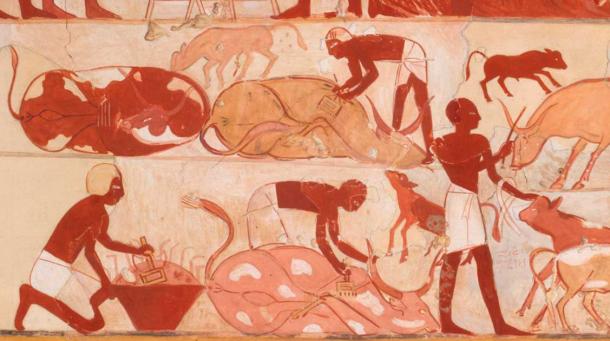 Watch out! It’s a brand takeover! Romans stamped bricks and pottery as early as the 1st century. Vikings battled with branded Ulfberht swords. 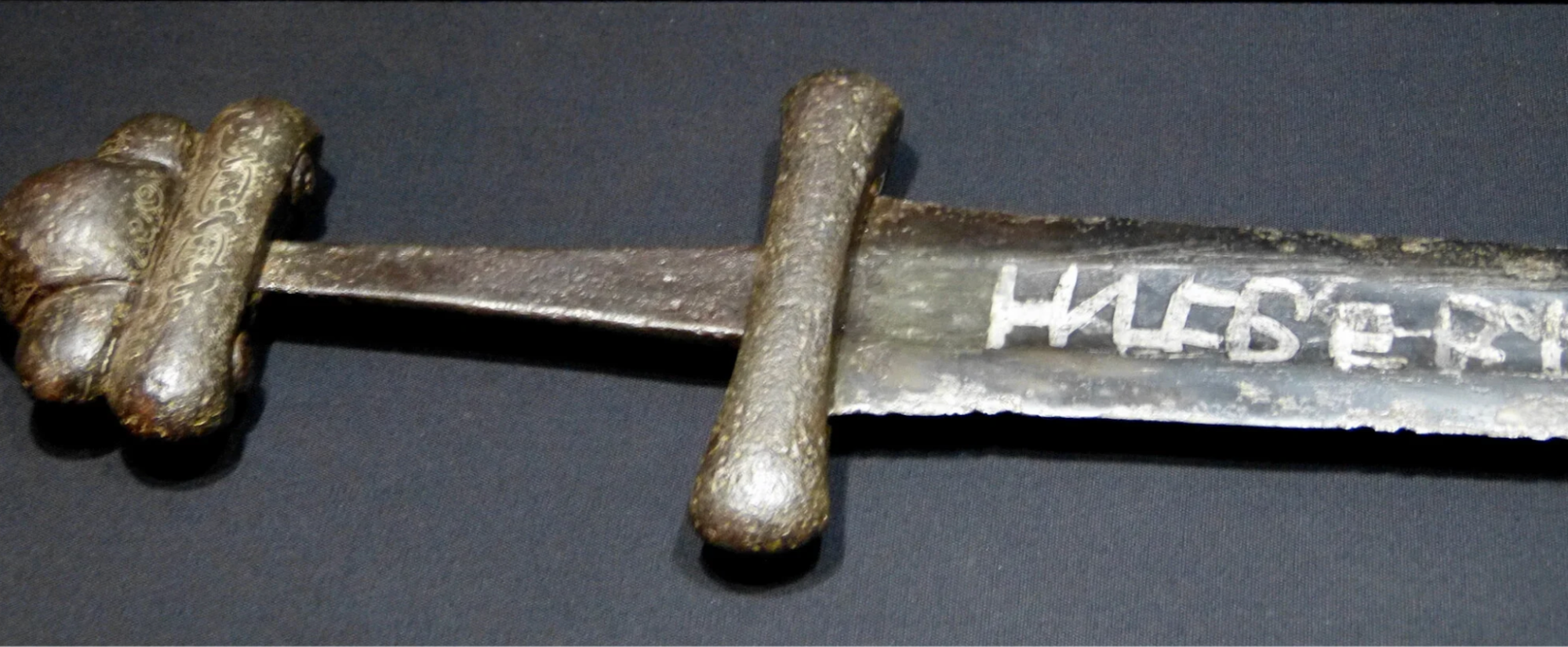 “If it’s gotta be slain, it’s gonna be Ulfberht!” To fight medieval bread fraud, the British Parliament passed the Bakers Marking Law in 1266, requiring bakers to mark bread they sold. In 1862, the U.K.’s Merchandise Marks Act made it illegal to forge marks or sell falsely marked goods. But makers still couldn’t register their own mark. That finally changed when the U.K. passed the Trade Marks Registration Act. It went into effect January 1, 1876. OFFICIAL BUSINESSLegend has it that a Bass Brewery employee camped outside the U.K. Patent Office, just to be the 1st in line. Bass made 3 filings: Trade Mark No. 1: Bass Pale Ale Trade Mark No. 2: Bass Burton Ale Trade Mark No. 3: Bass Extra Stout These trademarks are still in use today! 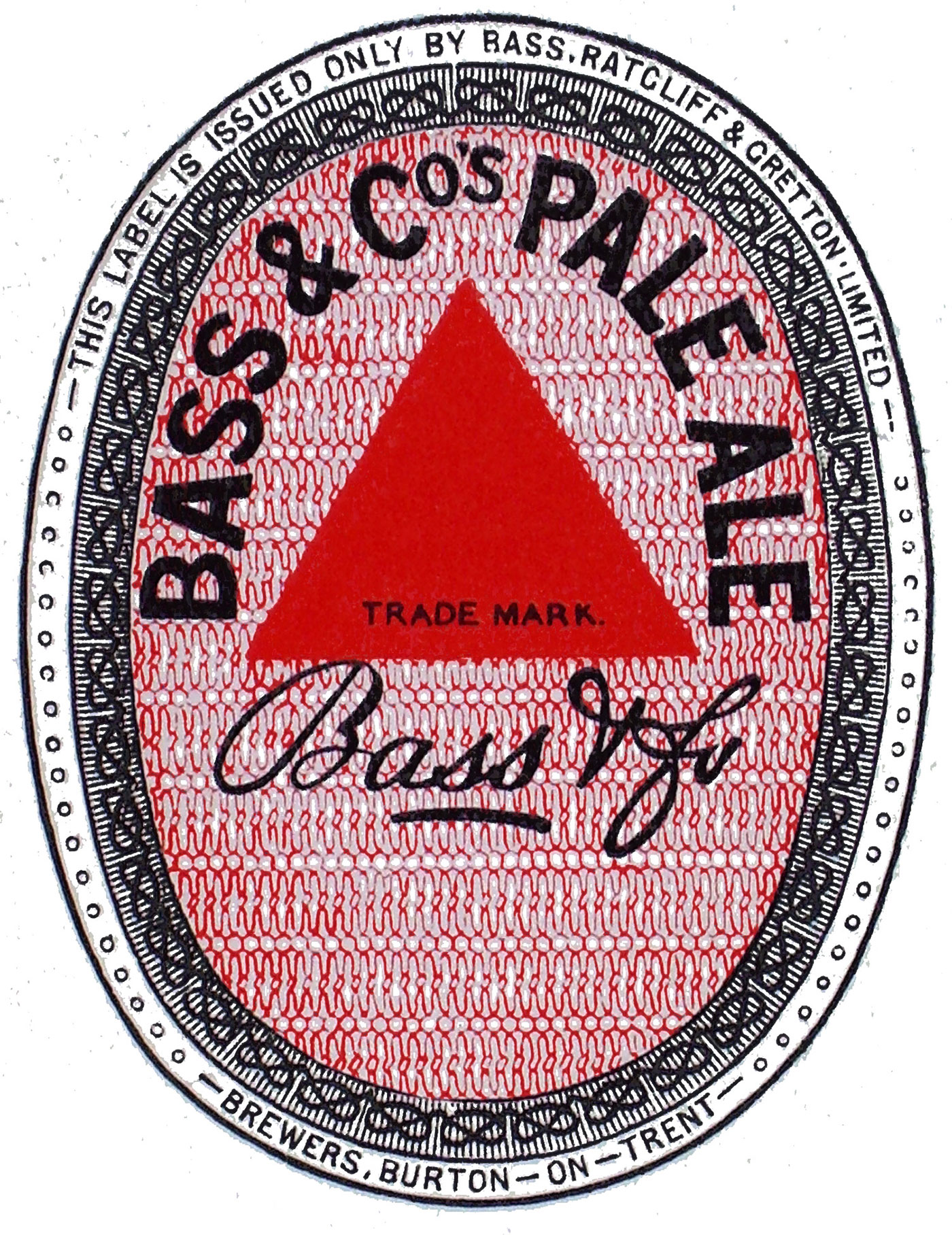 1st! All of a sudden, labels were more than a piece of paper. They symbolized legally recognized and enforceable ownership. Just 6 years later, the Bass Pale Ale label was prominently featured in “A Bar at the Folies-Bergère.” That's some serious, high-art earned media. Other countries started catching up. In the U.S., trademarks had been protected by state common laws since the colonial days. Protection went national with the Federal Trademark Act of 1870. The 1st U.S. trademark: Averill Chemical Paint Company. 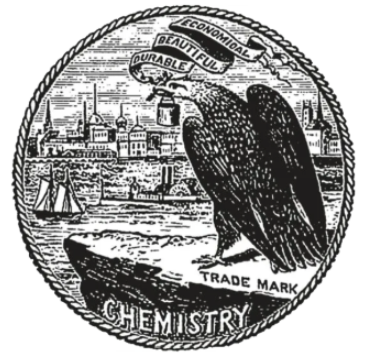 Need your house painted? I know an eagle. (Sadly, it’s no longer in business.) The oldest active U.S. trademark was filed in 1884 and belongs to J.P. Tolman Company, now known as Samson Rope. There’s a lot of debate about trademark dates in the U.S., because the Supreme Court overturned the Federal Trademark Act of 1870 in 1879. Domestic trademarks wouldn’t be federally protected again until the Trademark Act of 1905, later replaced by the Lanham Act of 1946. Despite all the confusing legislation, once brands could own a name or symbol, there was an appetite for more. BRAND NEW WORLDThe idea of branding evolved with media. Brands were 1st advertised in newspapers and magazines, so names, slogans, and logos were essential. 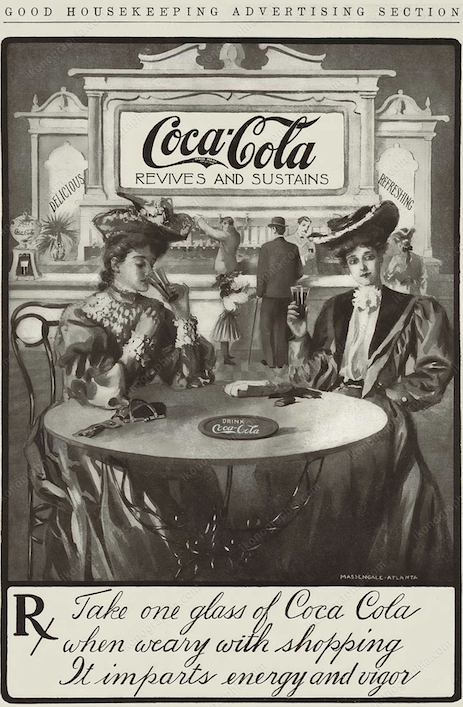 Over 100 years old, but still familiar. In 1922, a New York radio station ran the 1st paid radio ad in the U.S. for a local real estate developer. The BBC launched public, ad-free radio the same year. Radio ads didn’t run in the U.K. until 1973. Through radio, American consumers could hear brands. Slogans were even more important. Catchy jingles could be updated with the seasons to promote different products or reach different audiences. The U.S. ran the 1st paid TV ad in 1941: a 10-second spot for Bulova that ran before a game between the Brooklyn Dodgers and Phillies. By the 1950s, TV commercials were BIG in the U.S. Consumers could see and hear brands at the same time. Mascots like Tony the Tiger, Mr. Clean, and the Kool-Aid Man were introduced. 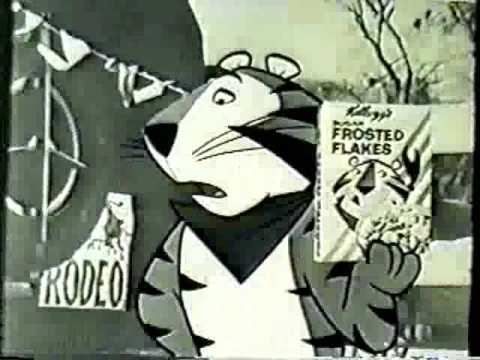 They’re grrrr–alright, I guess. Brands were bigger than ever, with colors, fonts, characters, sounds, and voices consumers knew well. PUT IT IN PRACTICEA logo is a visual symbol. A brand is a larger identity and reputation. Time to determine which 1 you’re working with.Her e’s your homework: 1️⃣. Run the logo-removal test. 2️⃣. Audit consistency. 3️⃣. Pick 1 ownable asset and commit. SOUNDS, SHAPES, COLORSWith increased competition, brands wanted more trademarkable assets. But brands can’t trademark the ordinary. Only elements inextricably associated with the brand can be trademarked. So brands can’t trademark a new element and make it a thing. Brands have to do the thing distinctly and consistently. If it becomes recognizable, then they can trademark it. Or try to. It can take decades. NBC introduced the 3-chime sound mark in 1929. It became the 1st trademarked sound in 1950. MGM Studios trademarked Leo the Lion’s roar in 1986, after using the mascot and sound since 1928. 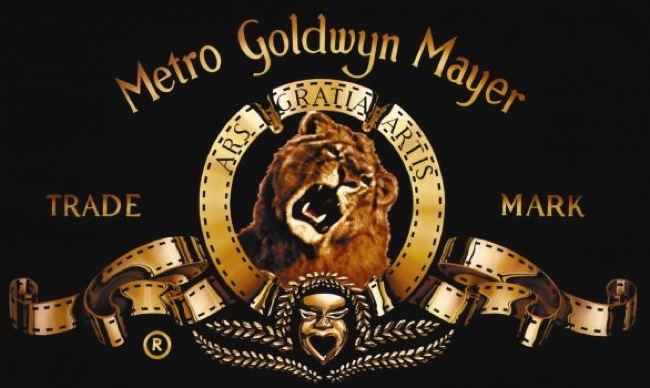 Just me or was the live-action Leo terrifying? AOL trademarked the “You’ve got mail!” sound in 2004, 6 years after trademarking the slogan. 20th Century Fox trademarked its fanfare music, composed in 1933, in 2008. Followed by Netflix, HBO, and various media companies. Brands with tangible products have focused their energy on trademarking shapes and colors. Coca-Cola’s iconic bottle shape was trademarked in 1961, because 99% of Americans could identify it by silhouette. Hershey’s Kisses trademarked the candy shape, foil wrapper, and paper plume in 1924, but couldn’t secure the word “Kisses” until 2001. Colors are even trickier. In 1987, a bright pink product became the 1st trademarked color in the U.S. Not Pepto-Bismol. Not Barbie. The pink fiberglass insulation made by Owens Corning. (Didn’t see that coming, did you?) 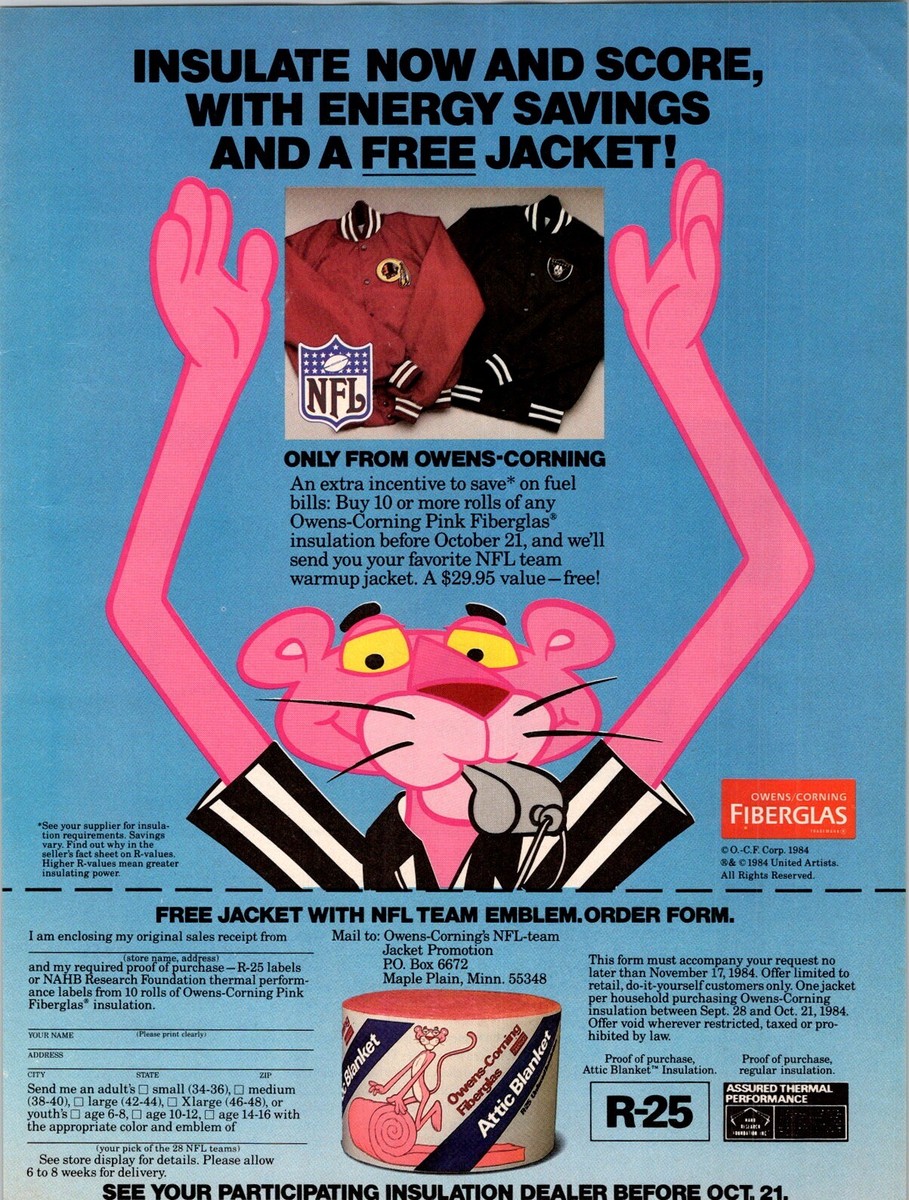 So weird that it works. Tiffany and Co. has used Tiffany Blue since 1845, but didn’t trademark it until 1998. In 2017, Cheerios tried to trademark the color yellow and got denied. The court ruled that too many other cereal brands use yellow. 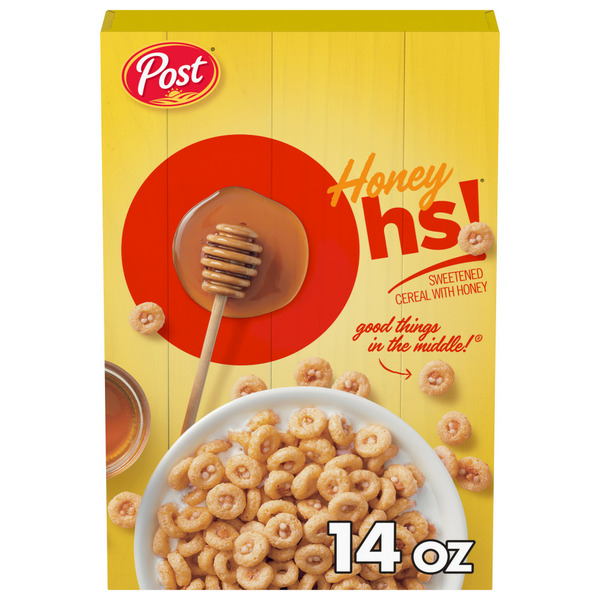 This cereal clearly wants to fight. Plus, Cheerios diluted its claim by using other box colors, like golden-brown for Honey Nut Cheerios. If you want to claim a trademark, you’ve gotta put in the work to make an asset yours. Everywhere and every time. And you’ve gotta make sure what you’re trying to claim is truly unique. Play-Doh even trademarked its scent in 2018. I respect the hustle. BAD FOR THE BRANDThe brand ownership battle still rages today. Now, it gets murky when brands try to trademark a social-1st trend, vibe, or phrase. In 2019, Megan Thee Stallion dropped the single “Hot Girl Summer.” It became a cultural catchphrase. In 2020, a USC student named Mia Lind changed a single word in the song title and invented the concept of the “hot girl walk.” Which she later defined as a 4-mile outdoor walk that included a 3-step methodology for thinking during the walk. She used the phrase on TikTok, and “hot girl walk” became part of the vibe-nacular. Lind trademarked the phrase in 2023. Hot Girl Walk® became an online community with merch and events. By this time, walking groups, personal trainers, gyms, and Spotify playlists had been using “hot girl walk” for years. Lind sent cease and desist letters telling them to stop. Instagram accounts were reported and removed for trademark infringement. At least 1 lawsuit ended up in federal court (and was dismissed). The aggressive enforcement of the Hot Girl Walk® trademark led to major backlash from the community it sought to empower. The community that made it commercially viable in the 1st place. 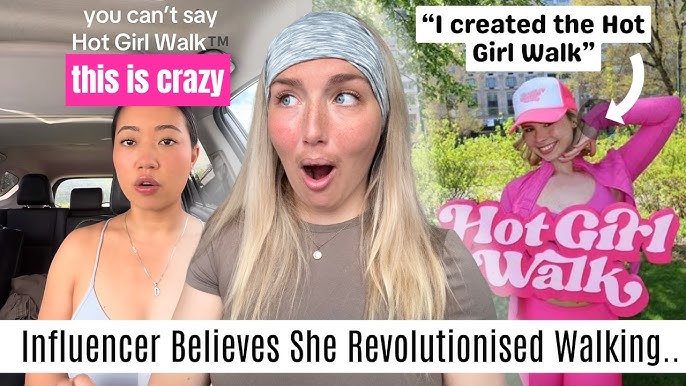 Hot Girl Backlash. It’s a good cautionary tale to end on: just because you CAN trademark a vibe doesn’t mean you should. If you’re not careful, the things your brand tries to own could come back and own you. Best to keep it cool, consistent, and undeniably original. MARKETING CHEAT SHEET (WHAT TO LEARN FROM THIS STORY): 1️⃣. You can’t own the ordinary. 2️⃣. Consistency makes an asset yours. 3️⃣. Don't fight your fanbase. 4️⃣. Very little in Marketing is new. Sponsored by Community 💬 Buzz buzz. Little reminder.  EVENT OF THE WEEK I wish someone had handed me a field guide before telling me to build an AI agent. So...we’re making one. Live. August 19th. IN A MEME 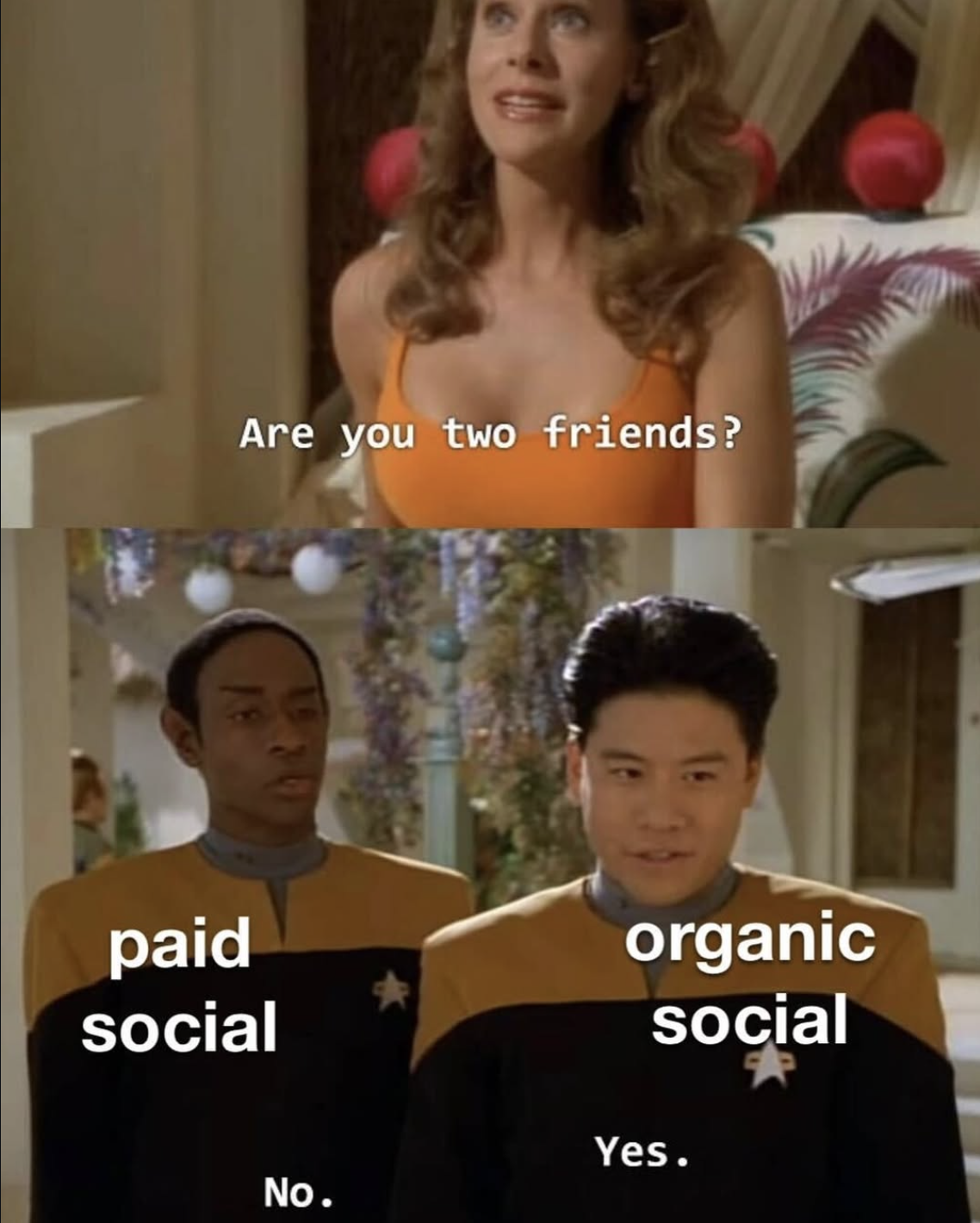 Ahh, the bell has rung. Please be sure to do the reading (follow The Marketing Millennials on LinkedIn and me, Professor Millennial, on X). Off you go, passing period is only 11 minutes and there’s already a line at the vending machine that sells your favorite snack brands. Until next time, Professor Millennial | ||||||||||
|