{beacon}
 | ||||||||||
| | ||||||||||
 Hey Marketing Bestie, Us marketers sure can learn a lot from our Marketing fore-fathers and fore-mothers. The greatest marketing campaigns in history deserve to be etched in HTML stone. Welcome to Marketing Classics 411, a new kind of ancient history. In place of hieroglyphs, expect to decipher the campaigns of yesteryear. Professor Millennial teaches every Tuesday (remotely), via electronic mail. Class is now in session. Was this email forwarded to you? Sponsored by Vibe.co Is that channel a bad fit? Or are you just measuring it wrong? HIDDEN VALLEY AVALANCHE How Ranch Dressing Escaped The Salad BowlThe World Cup may be over, but 1 of its breakout stars is now a global obsession. Rabid fans. Empty shelves. TSA warnings. Pretty impressive for a 70-year-old condiment that almost got stuck in a dying category. Ranch dressing’s newfound international fame is just the latest chapter in a long story of brand reinvention. It’s a reminder that growth isn’t always about winning more of your existing category. Sometimes it comes from redefining what business you’re in and taking the leap to a bigger, growing market. Especially when your customers are pointing, dipping, and snacking the way forward. This is the story of… Hidden Valley Ranch. .png?sig=9b12843553e669ae92584497af06fa1be324e73bd02b89c2fafdc97b60563720&size=email-body&dpr=2) The creamy, tangy delicacy known as ranch dressing was invented in the early 1950s by a small-town plumber named Steve Henson. When he was 31, Henson got an opportunity he couldn’t pass up: a plumbing contractor job in Anchorage, Alaska. He and his wife Gayle left their native Nebraska for this rugged new frontier. Alaska wasn’t even a U.S. state back then! 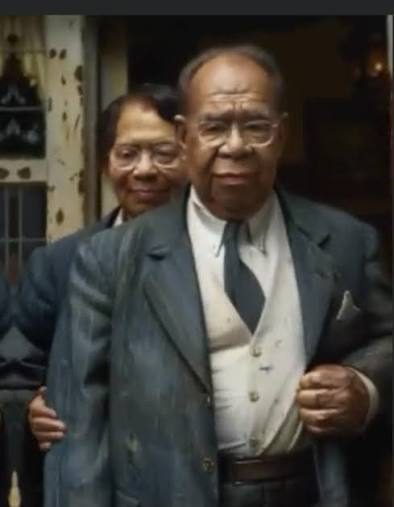 Steve and Gayle Henson, ranch dressing pioneers. Part of Henson’s job was feeding the work crews he managed. There weren’t a ton of food options, so he blended mayonnaise, buttermilk, herbs, and spices to dress up veggies and basic meals. It was ranch dressing, without the actual ranch. That came later, in 1954, when the Hensons bought a dude ranch outside Santa Barbara, California. They renamed it Hidden Valley Ranch and got to work on their 2nd act. 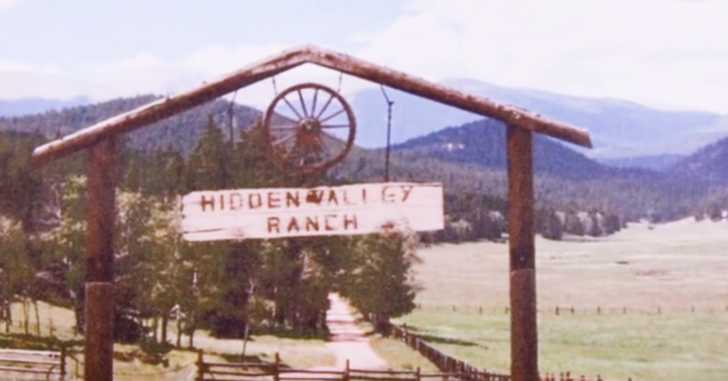 It’s a shame it closed. This could’ve been the Napa Valley for snack lovers. Guests could ride horses, hike, and fish. But their favorite activity was eating meals with “ranch dressing” at the property’s steakhouse. They liked it so much, they wanted to take some home as a savory souvenir. Henson listened. In 1957, he created a dry mix packet to sell at the ranch and local stores. He called it Hidden Valley Ranch Party Dip, which suggests that he knew all along how good it was on… EVERYTHING. (That's foreshadowing.) 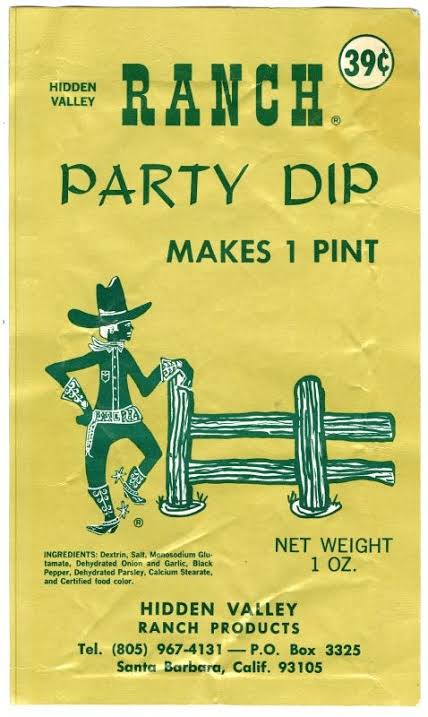 Who you calling a salad dressing?! This early version of ranch dressing was just an herb and spice blend. Buyers had to add their own buttermilk and mayo and let it chill for 30 minutes. It was so much less convenient than the dressing we know and love today. But it was also so in-demand that Henson expanded to mail-order. BETTING THE RANCHBy the mid-1960s, the dude ranch business was struggling, but those Party Dip orders couldn’t ship fast enough. The Hensons decided to focus their time and energy on what was working. They closed Hidden Valley Ranch and opened Hidden Valley Ranch Food Products, Inc. Now that their mix packet side hustle was a full-time business, they opened the 1st Hidden Valley Ranch factory. With more production volume, the company expanded distribution. By the late 1960s, Party Dip mix packets were sold in supermarkets throughout the Southwest. The world’s always eaten leafy greens. But America’s salad habits shifted after World War II. Thanks to advancements in refrigeration and widely available iceberg lettuce, restaurants began serving salad as a starter course while mains were prepared. This salad-first approach made its way to homecooked meals. Salad dressing wasn’t new, but bottled salad dressing was. 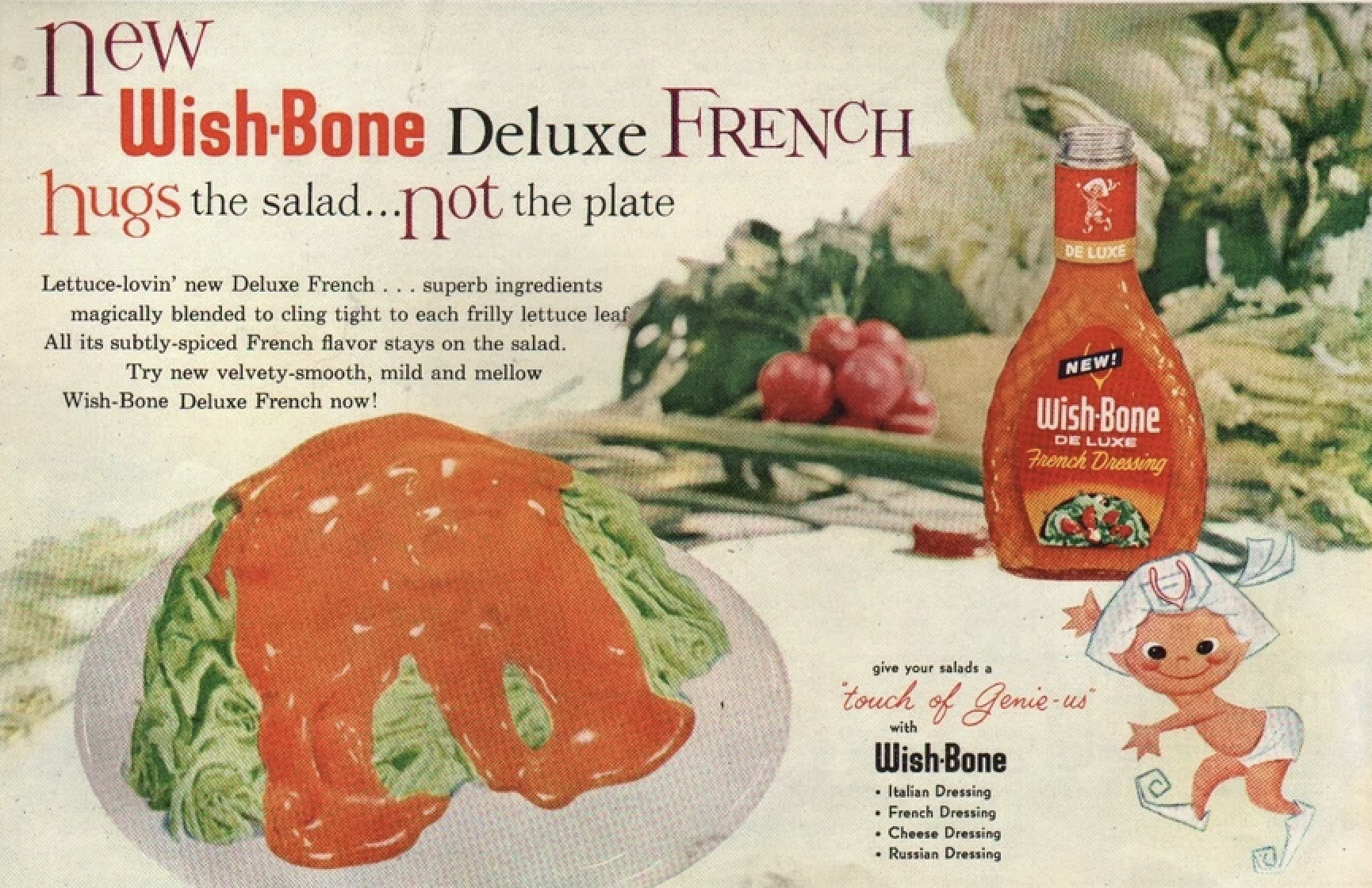 Eat your veggies or they'll release the salad baby Kraft Foods introduced tomato-based Catalina in 1962 and Thousand Island in 1964. Wish-Bone mass-marketed Green Goddess in 1967. 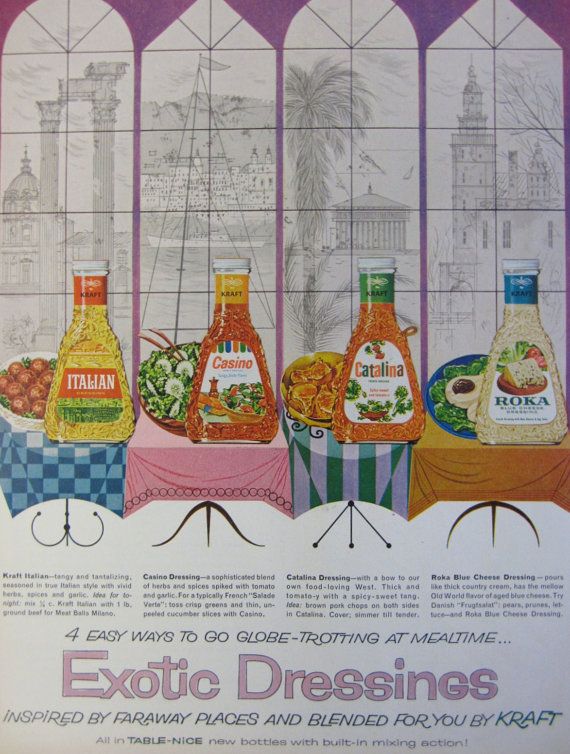 For ONLY the most sophisticated palates. The Clorox Company wanted in on the action. In 1972, it expanded into food by acquiring Hidden Valley Ranch for $8M. That’s equivalent to $64M today. A good amount of lettuce. SALAD DAYSAs part of Clorox, Hidden Valley got nationwide distribution and repositioned as salad dressing. But Clorox didn’t want a ranch mix packet. It wanted a BOTTLE. It took 11 years to introduce shelf-stable, ready-to-pour bottles of Hidden Valley Ranch salad dressing. 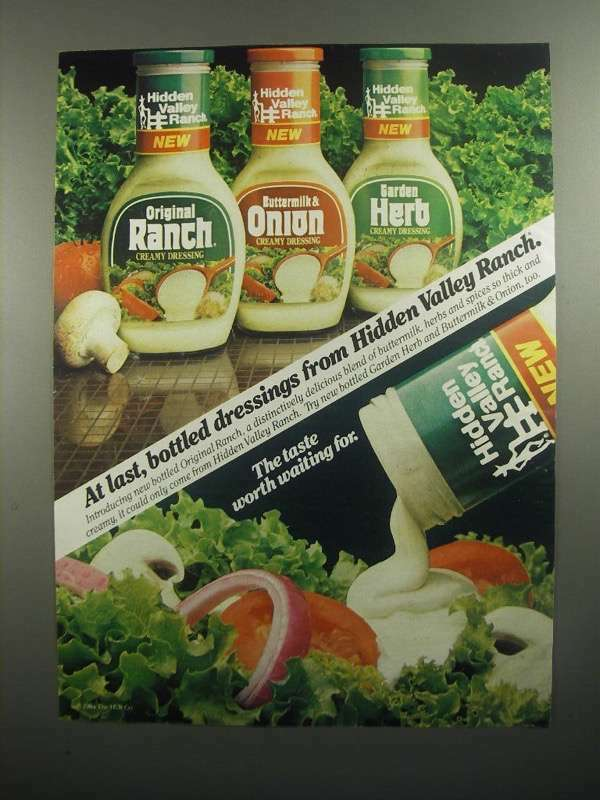 About dang time. The friction of adding buttermilk and mayo was finally eliminated in 1983. Grab-and-go ranch was a hit, quickly catching up with the category leader, Italian dressing. Ranch became a trending flavor, with a variety of brands making their own version. Cool Ranch Doritos debuted in 1986. And by 1992, ranch was America’s best-selling salad dressing. And “ranch” was synonymous with Hidden Valley Ranch. LOST IN THE SAUCEBy the 2010s, ranch was an American classic. Delicious, but familiar. Maybe...too familiar. Guacamole, sriracha, and a slew of hot sauces were suddenly the cool condiments consumers put on everything. 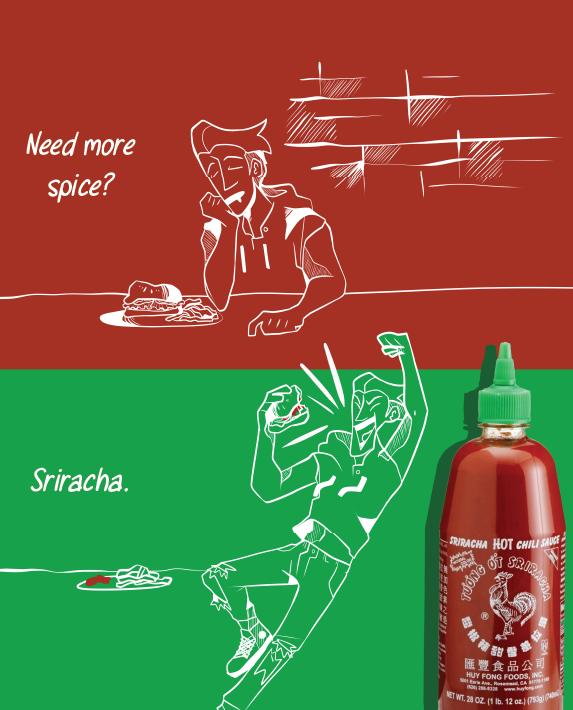 Are you old if you remember when sriracha went viral? Asking for a friend. Ranch was just a salad dressing, the top flavor in a shrinking category. Or was it? In 2016, Hidden Valley Ranch ran a focus group and got a customer insight that changed everything: “I’ve never seen ranch advertised the way I use it.” The brand learned that 9 out of 10 buyers used ranch for more than salads. They put it on pizza, hot dogs, french fries, chicken tenders, sandwiches… Anything that could be topped, dipped, or garnished. Hidden Valley Ranch had been sitting on a bigger, growing market all along. It was time to think outside the salad bowl. PUT IT IN PRACTICEHidden Valley Ranch knew something was up when it learned how many customers used ranch for more than salad. Are you SURE your brand positioning reflects your best use case? Or have customers found another one you should know about? Time to run an occasion audit. Here’s your homework: 1️⃣. Pull your reviews, social mentions, and support tickets. 2️⃣. Size each use case. 3️⃣. Experiment with evolving your positioning around the most promising new use case or occasion. 4️⃣. Ship 1 small proof before betting the brand. RANCHING OUTIn January 2017, the “Ranch Out” campaign repositioned ranch as a condiment. TV spots and print ads showed all the ways people eat ranch. 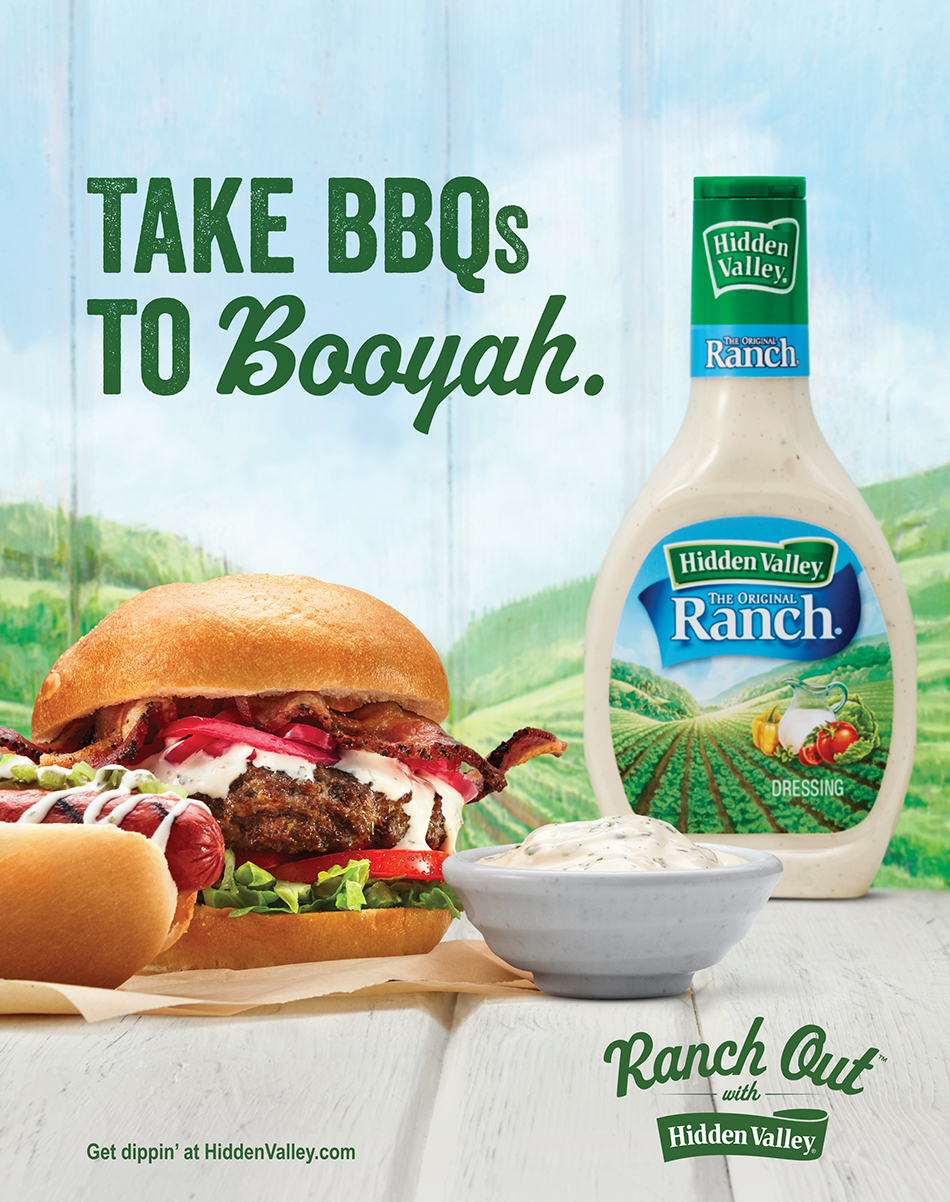 Not a salad in sight. #RanchOut expanded the nom-versation on social. For the 1st annual National Ranch Dressing Day (March 10, for those who celebrate), Hidden Valley Ranch launched merch, including: 🧅: A ranch fountain Ranch lovers became a fandom. A fandom that’s generated around $1.5B in sales just in the last year! Hidden Valley Ranch was more flavorful and relevant than ever - WITHOUT changing their product. Over the years, the brand has launched viral collabs with TRUFF, Burt’s Bees, Van Leeuwen, and Crocs, to name a few. Ranch dressing isn’t a trademarked recipe. A rising tide lifts all boats, including competing ranch brands. When the World Cup led to an international ranch craze and viral TSA reminder about carry-on liquids, Hidden Valley competitor Kraft announced a limited-edition TSA-Compliant Ranch Kit. 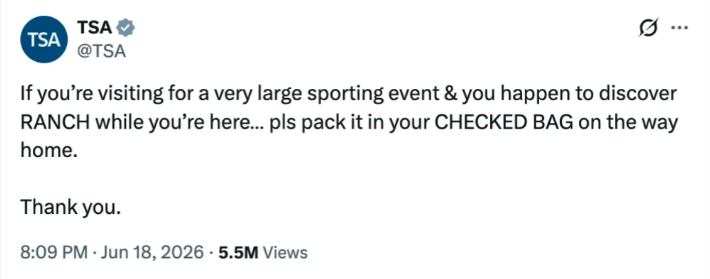 I need to know if there was a shadow salad dressing sponcon council that made this post happen. It looked like a miss for Hidden Valley Ranch, except… the brand was ahead of the game. MONTHS before the World Cup, it sent 4 Ranch-bassadors to Europe. .png?sig=f391ecdd134e32d9636d31e85095786642d00e9380997fd5b42b405611fa393d&size=email-body&dpr=2) Talk about a Euro Summer. They passed out samples, pairing Hidden Valley Ranch with regional dishes like fish and chips and escargot. So yeah, in my opinion, the international obsession with ranch isn't entirely a fluke. Hidden Valley Ranch engineered it to win hearts, minds, and tastebuds. None of this would’ve happened if the brand hadn’t listened to customers and changed ranch’s positioning - every time their customers gave them a reason to. It's tempting to take customer insights with a grain of salt. But sometimes, they're better with a side of ranch. MARKETING CHEAT SHEET (WHAT TO LEARN FROM THIS STORY): 1️⃣. Listen to customers. 2️⃣. Before you change your product, check your positioning. 3️⃣. Prepare to be “lucky.” IN A MEME %20(2).png?sig=46c752f13b209d9d6c397e29e9f489817d5994c9a62e3e99b67656f5ac89897e&size=email-body&dpr=2) Ahh, the bell has rung. Please be sure to do the reading (follow The Marketing Millennials on LinkedIn and me, Professor Millennial, on X). Off you go, passing period is only 11 minutes and there’s already a line at the vending machine that sells hot dogs with ranch (don’t knock it, ‘til you try it). Until next time, Professor Millennial. | ||||||||||
|