{beacon}
 | ||||||||||
| | ||||||||||
 Hi Marketing Bestie, My cousin Josh flew in from London and he's fascinated by American food chains. His whole mission: I have to take him to the most iconically American one so he can review it for his friends back home on Snapchat. Yes, he's Gen Z.. Where should I take him? I need ideas. I am in Florida BTW. Was this email forwarded to you? Sponsored by Roku Angry Birds story time (yes really). 🐦 SPARKNOTES FROM THE POD 5 WAYS TO PUT PEOPLE BACK AT THE CENTER OF YOUR MARKETINGPhil stumbled into marketing at 21 when he and a friend tried to launch the next big social network. It failed. But the marketing they did for it worked so well that their friends started asking for help. Fourteen years later, Giraffe Social is still around and still making waves. And Phil's learned something that most of the industry has forgotten: People are the actual asset in marketing. Not data. Not algorithms. Not AI slop. People. His entire book is about putting people back at the center. Your team. Your customers. Actual humans who trust other humans. In an age where AI is flooding every channel, making everything generic, Phil's message is simple: be more human, not more automated. Listen to the full episode here where Phil breaks down why trust is unmeasurable but everything, why your polished ads lose to authentic content, and why marketers need to stop being so afraid of taking creative risks. 1️⃣. People Trust People More Than Brands. Period.Phil's Take: "I think people trust people more than brands. So influencer marketing is a bit of a no brainer when you think about it." This isn't new. This isn't revolutionary. But it's the most ignored truth in marketing. You can spend millions on brand campaigns. You can polish your messaging. You can craft the perfect positioning statement. But if a person you trust recommends something, you're more likely to buy it than if a brand spends a million dollars telling you how good they are. That's not opinion. That's human behavior. Influencer marketing works because it's a person recommending something. Not a company yelling about how great they are. The problem is that brands have forgotten this. They treat influencer marketing like just another channel. They over-brief creators. They ask them to hit exact CTAs. They turn authentic recommendations into ads. And it stops working. Takeaway: When you work with creators or ask your team to speak publicly about your brand, give them room to be themselves. Trust them. Don't over-brief. Don't script everything. Let them say it in their voice. People trust authenticity. People don't trust polished corporate-speak coming from a human mouth. 2️⃣. Trust Is The Most Important Metric In Marketing. And You Can't Measure It.Phil's Take: "Trust is the most important metric in marketing and also probably the hardest, if not impossible to measure. I think when you're dealing with senior leadership teams, if something can't be measured, it's kind of deemed not important. And I think that is a shame." Your CEO wants ROI. Your CFO wants numbers. Your board wants metrics on everything. But the most important thing in marketing can't be put in a spreadsheet. Trust takes time. You build it through consistency. Through delivering. Through showing up authentically. Through treating customers like people. There's no metric for "trust increased 15%." You can't A/B test trust. So it gets deprioritized while you chase clicks. But if no one trusts you, clicks don't matter. Takeaway: Stop trying to measure trust. Instead, ask: Do our customers come back? Do they recommend us? Do they give us the benefit of the doubt? Do they forgive us when we mess up? Track those things. Then protect the activities that build trust, even if you can't prove ROI on them directly. 3️⃣. Authentic, Raw Content Beats Your Polished Brand Campaigns.Phil's Take: "The sort of raw, authentic style content is really interesting. So I think that a lot of that stemmed from the pandemic, because we had a real supply and demand problem. But the ability to produce content was more restricted than ever. So we really had an option. It was either post less, create less content or create slightly real, more authentic content. And that's what we did. The results were better." During the pandemic, brands had to choose. Stop creating content or create it differently. They had no studios. No models. No lighting. Just a phone and an idea. So they created lo-fi, authentic, raw content. And it worked. Better than the polished stuff ever did. That should've been a wake-up call. It wasn't. Some brands kept trying to get back to polished and perfect. But the 1s who understood stayed with authentic. They kept the rawness. They kept the realness. Because humans connect with humans. We don't connect with polish. We connect with imperfection. With realness. With "this is actually how it is." Your iPhone-shot video of your team will outperform your $50K production every single time. Takeaway: Stop polishing everything. Record your team actually doing the work. Share the behind-the-scenes. Show mistakes and how you fix them. Show real customers, not models. Show the messy process, not the perfect output. Humans connect with humans. Authenticity is now your competitive advantage because everyone else is trying to be perfect. 4️⃣. If People Don't Have An Opinion About Your Campaign, You're Playing It Too Safe.Phil's Take: "I'm a big believer that in marketing, like the enemy is indifference, not, you know, like backlash. Like if someone doesn't dislike what you're doing, you're probably not being sort of edgy enough. You're probably not pushing it as far as you should." Marketers are terrified of backlash. So they play it safe. They create vanilla beige content that doesn't offend anyone. That doesn't provoke anyone. That doesn't make anyone think. But indifference is worse than backlash. Because if people are indifferent to you, they'll never remember you. They'll never talk about you. They'll never become customers. Some people disliking your campaign is actually a sign it's working. It means you stood for something. You said something. You took a position. Phil's right. The worst outcome in marketing isn't getting criticism. It's getting nothing. No response. No engagement. No opinion. Because you can't build a brand around indifference. Takeaway: Ask yourself: Would anyone have a strong opinion about our campaign? Would anyone share it? Would anyone argue about it? If the answer is no, you're probably being too safe. Find the edge. Push a little harder. Say what you actually think instead of what won't get you in trouble. You might get some backlash. Good. That means you're interesting. 5️⃣. Marketing Is 1 Group Of People Talking To Another Group Of People.Phil's Take: "Let's keep people at the heart of what we're doing here because marketing is just one group of people trying to demonstrate value to another group of people. I feel like we've lost that along the way. We shouldn't allow customers to become data points in spreadsheets. We shouldn't allow staff members to be blinkered and told not to say things and not to have opinions and to be themselves." Somewhere along the way, we turned marketing into a machine. We optimized people out of it. We built systems that don't require humans. We turned customers into data points. We silenced team members. We made rules that prevent people from being themselves. But marketing is fundamentally human. It's communication between humans. You're not selling to a target audience. You're selling to a person. A person with fears. With dreams. With preferences. With things they care about. And they want to buy from other people. Not from machines. Not from corporations. From people who believe in something. Phil's saying we need to remember that. Put people first. Let your team be human. Treat customers like people. Takeaway: Stop calling your customers "target audiences" or "user segments." Give them names. Understand their lives. Know what they actually care about. And empower your team to be human. Let them have opinions. Let them speak. Let them be themselves. Create space for spontaneity. For creativity. For real connection. That's where the magic happens. IN A MEME 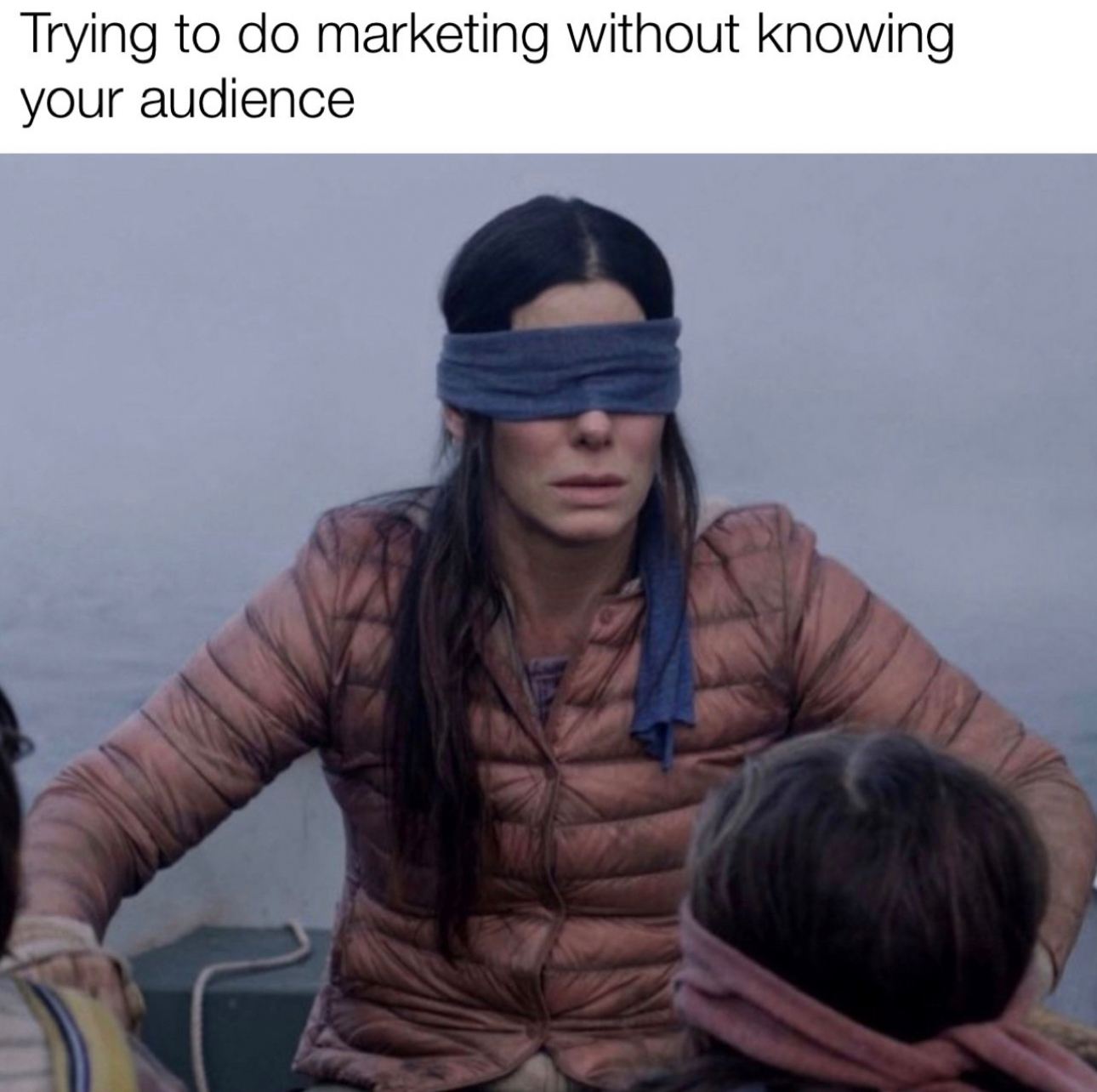 Also, I need a new TV show rec if you have one. Your friend, Daniel | ||||||||||
|