{beacon}
 | ||||||||||||
| | ||||||||||||
| Hey Marketing Bestie, While we wait for France v Belgium to start, let's learn something from our Marketing fore-fathers and fore-mothers. The greatest marketing campaigns in history deserve to be etched in HTML stone. Welcome to Marketing Classics 411, a new kind of ancient history. In place of hieroglyphs, expect to decipher the campaigns of yesteryear. Professor Millennial teaches every Tuesday (remotely), via electronic mail. Class is now in session. Was this email forwarded to you? 🏰 EVENT OF THE WEEK Talking to AI can be like: "Sure, just paste it here." If it feels like your AI tool is just giving you more homework, this event is for you. Next Tuesday, Matt & I walk through 5 AI workflows giving Marketers time BACK. THIRST TRAP How TV Timeouts Changed SportsEven if you’re not watching the World Cup, you’ve probably heard about hydration breaks. Soccer (aka football, if you’re not American) has always been a game of 2 continuous halves, each with 45 minutes of uninterrupted play. In the past, in cases of extreme heat or humidity, referees could call a 1-3-minute hydration break during games. But usually, players waited until halftime to hydrate. This year, FIFA introduced mandatory 3-minute hydration breaks midway through each half of every World Cup match. Regardless of temperature, climate, or if a stadium is enclosed. Now a game that’s always been 2 halves is suddenly 4 quarters. There was a backlash, and it was FAST. Fans, players, and coaches immediately spoke out against “unnecessary” hydration breaks. The worry: a forced interruption would mean lost momentum during matches, a bad fan experience - but mostly a big change to “the beautiful game.” It would also be: ⚽: A tactical opportunity for players and coaches But this isn’t the 1st time a new rule paused and changed a sport, or made everyone on the field update their playbooks, FAST. This is the story of… hydration breaks, TV timeouts, and the power of forced interruptions. .png?sig=25ec3e143c7ea83be5e9f05de4715ee836f10ecd0e796a5eb534a76eeeb92088&size=email-body&dpr=2) FIFA claims hydration breaks ensure equal conditions for all teams and prioritize player welfare, which is important. Skeptics suspect it’s also a cash grab. They’re not exactly wrong. 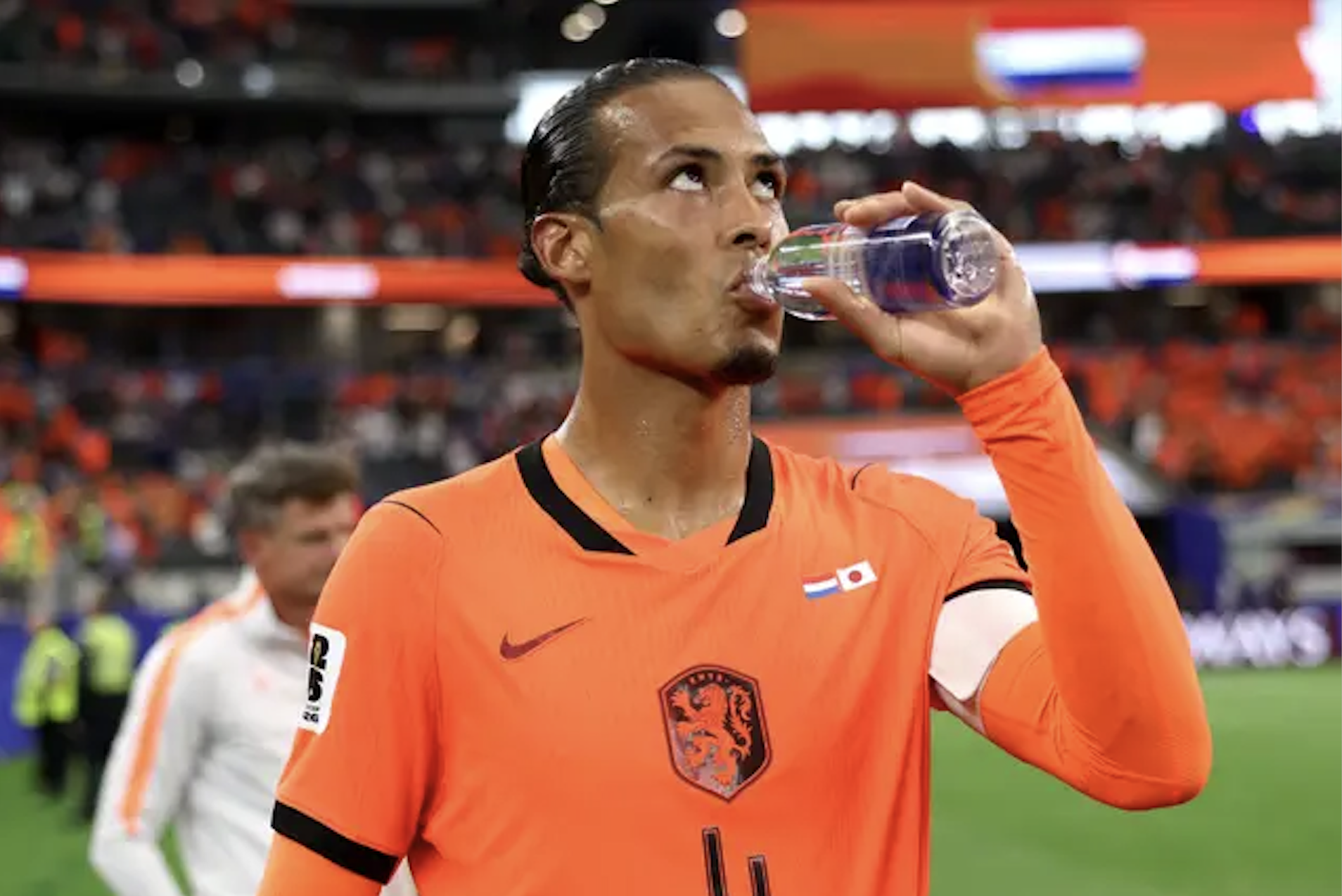 Netherlands captain Virgil van Dijk on hydration breaks: “I think every time we go to commercials, it's not really something that I like.” Also, 🙄 in human form. 104 World Cup matches means: 💧: 208 hydration breaks FIFA permits broadcast networks to cut to commercials during hydration breaks. With 6 minutes of hydration breaks in every match, that could mean 12 additional 30-second ad slots per game. At a point in the match when fans are locked in and less likely to change the channel. 30-second ad slots on FOX Sports go for $200K-$300K in the early rounds of the World Cup. During U.S. matches and finals, that number can reach $750K. When it’s all added up, ad revenue from hydration breaks could easily cover the cost of broadcast rights ($485M for Fox.) But not all networks were happy about hydration breaks. More on that in a sec. Change is hard, and forced interruptions are harder. But they’re not exactly new in the world of sports. TIMEOUT!In the radio days, sports broadcasters read scripted ads between plays. OG podcasters, really. TV couldn’t easily switch from a live game to pre-recorded video ads. It needed official commercial breaks. The NBA introduced TV timeouts in the 1957-1958 season. Coaches could call timeouts whenever they wanted, but had to take at least 1 timeout during each half. If they didn’t, game officials called the timeout. The NFL also adopted TV timeouts in 1958. Then, if neither team called a timeout or scored within the first 10 minutes of the 1st and 3rd quarters, game officials called a timeout FOR them. TV timeouts made space for commercials to run and drastically slowed games down. Fans in the stands were stuck waiting for the game to resume. At-home fans weren’t much happier. Early commercials were basic brand messages. No jingles, recurring characters, humor, or sophisticated storytelling. It wasn’t easy to change the channel back then, either. (Remote controls weren’t a standard TV accessory until the 1980s!) 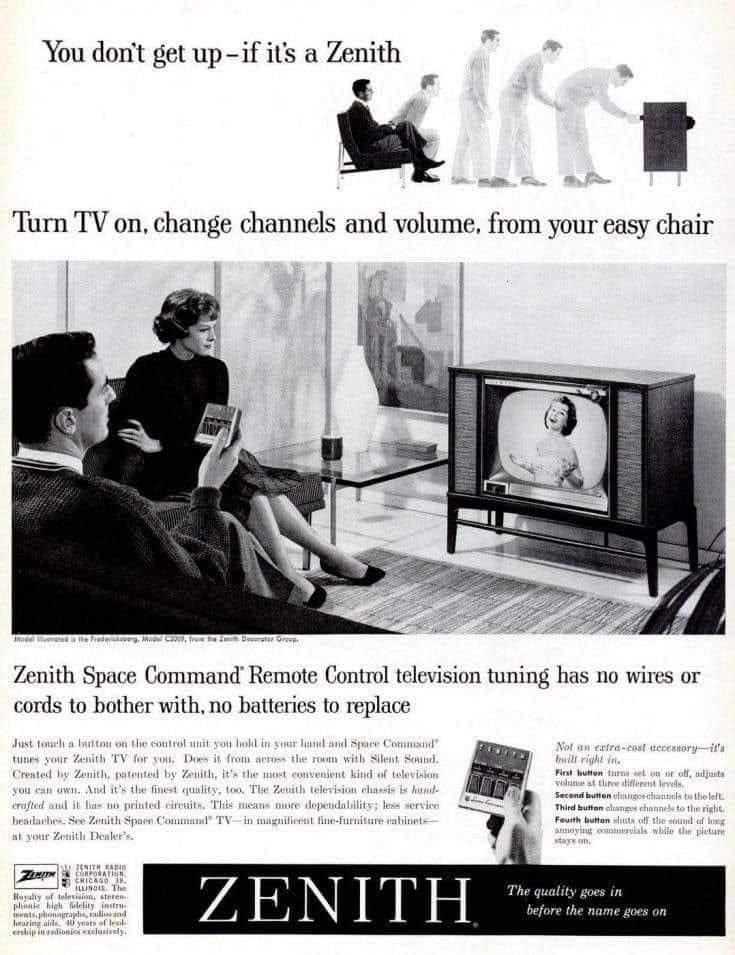 Absolutely cutting-edge. Fun fact: this is where the nickname "the clicker" comes from. Still, as sports viewership grew and the cost of broadcast rights increased, major sports leagues fit in even more commercial breaks. And everyone adjusted. Stadiums figured out ways to keep the fun going with stoppage entertainment, like games, performances, and the notorious kiss cam. 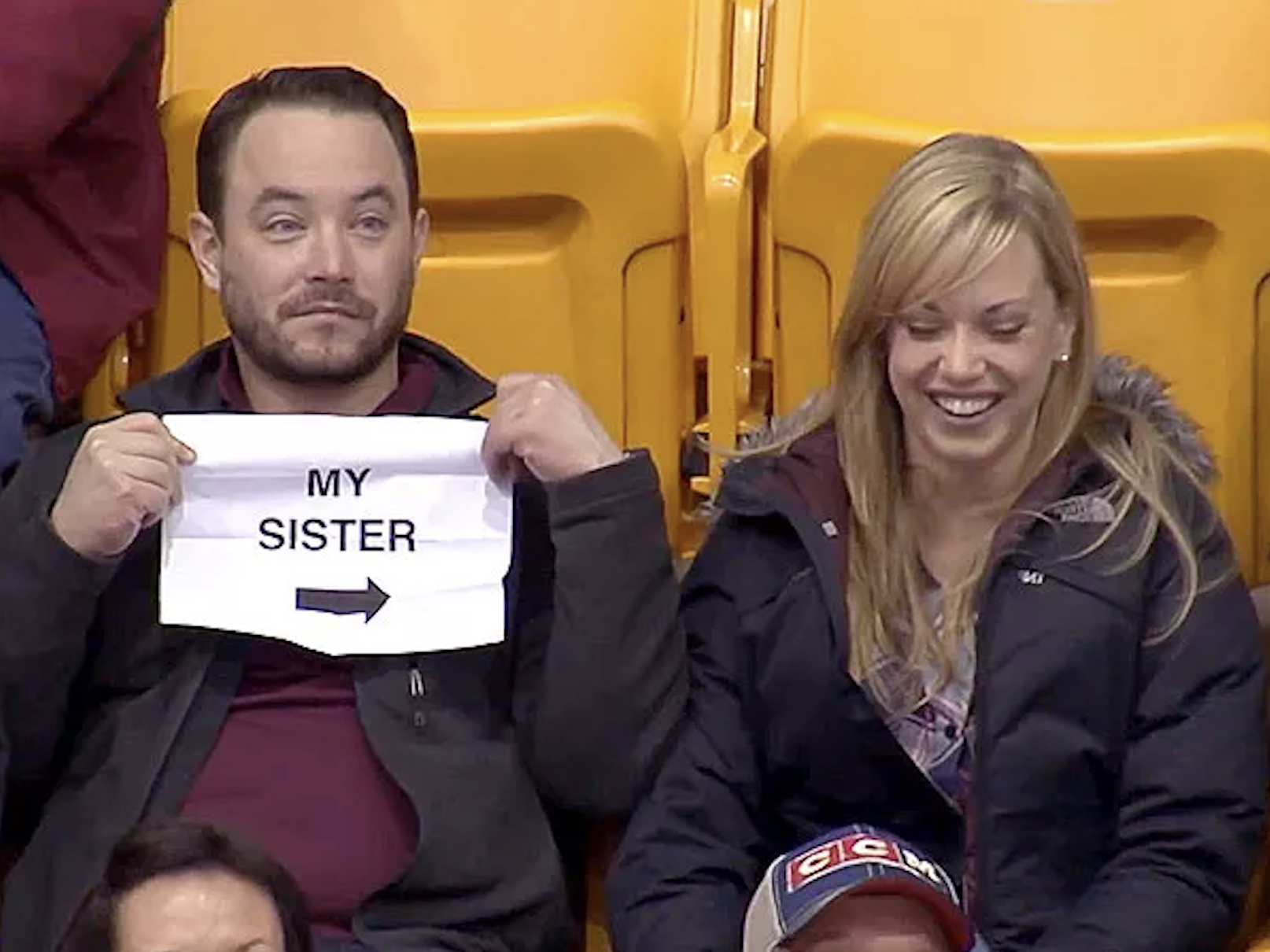 Good looking out. TV commercials also got more interesting. Today, football (the American kind) is the ultimate optimized-for-TV sport. The average NFL game runs 3 hours and 12 minutes, with ~20 commercial breaks and just 11-18 minutes of play! WATER BREAK!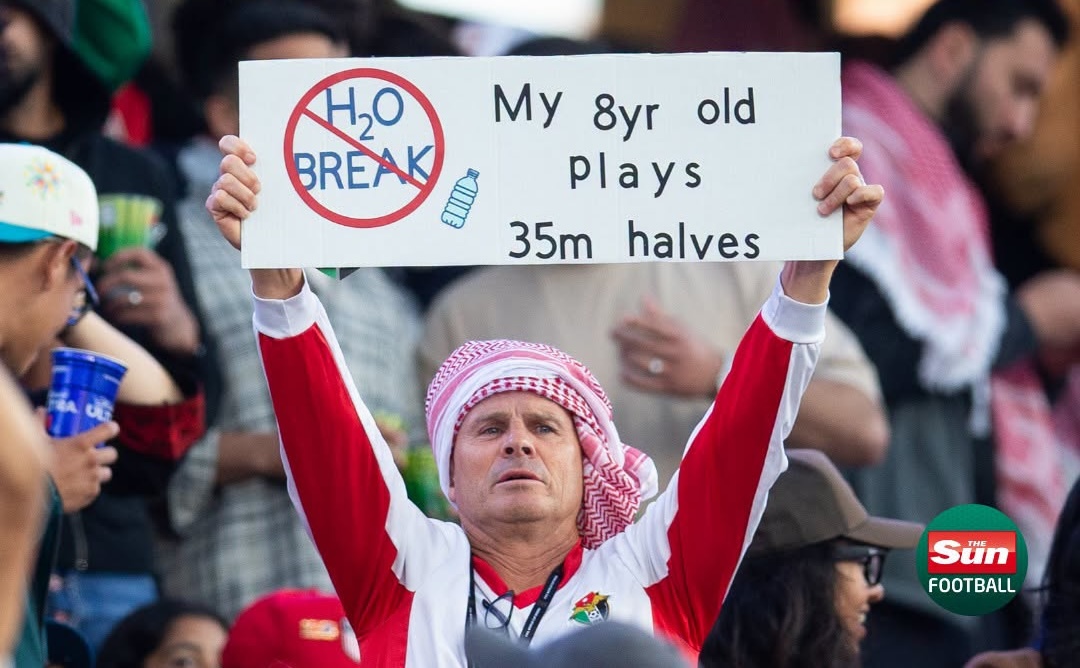 Tell us how you really feel. Stadiums reverberated with boos during this World Cup’s 1st hydration breaks. Stadium DJs came to the rescue with songs that resonated with teams and fans. 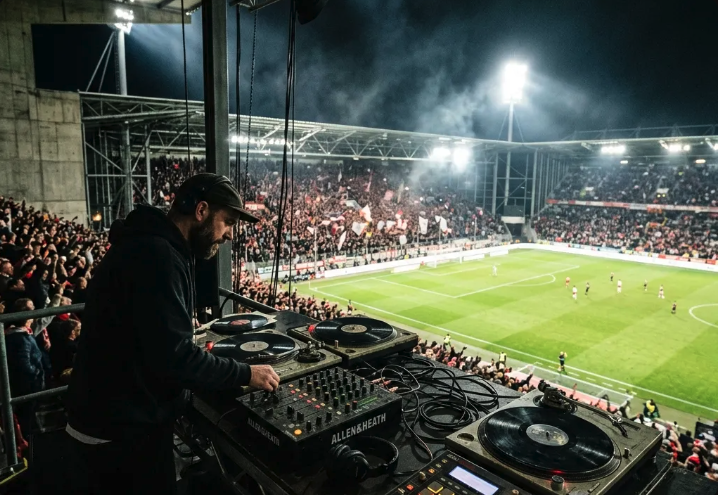 “Quick! Play some Bon Jovi!” “Take Me Home, Country Roads” during Czechia vs. South Africa in Atlanta. “Mr. Brightside” during England vs. Croatia in Dallas. The party anthem “El Sonidito” at every match in Mexico. It was a simple-but-brilliant move that aligned hydration breaks with the soccer tradition of singing. All of a sudden, unwanted interruptions became 1 of the most-shared moments of each match. Country Roads basically became the US team’s anthem! 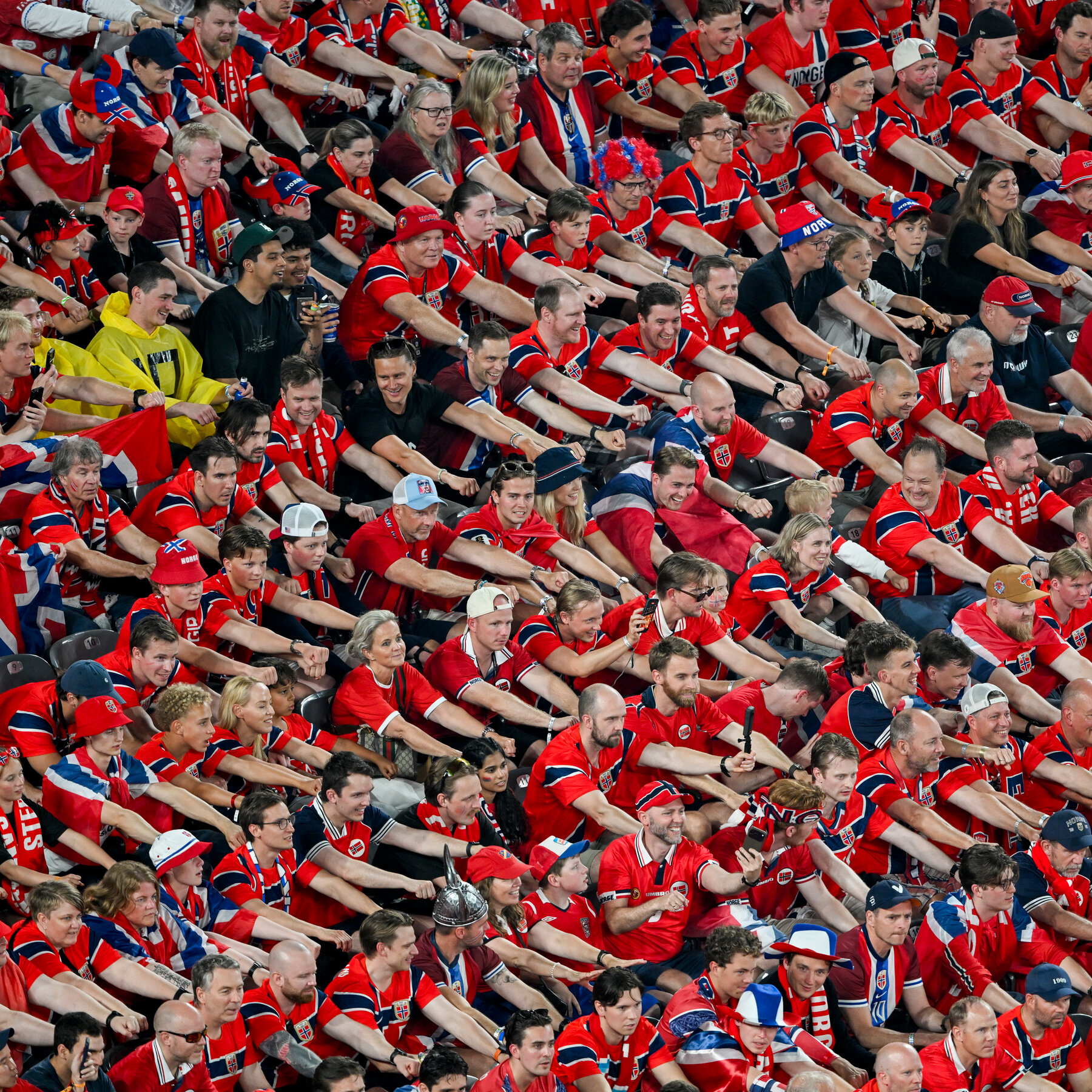 Here I row again, on my own Obviously, broadcast networks can make a lot of money running ads during hydration breaks. So it might be surprising that Telemundo, the BBC, and ITV left millions of dollars on the field by NOT showing commercials. During Canada vs. Bosnia and Herzegovina, a Telemundo commentator explained: "We prefer the old-school way. We should be able to see what the players do. We show fans, people enjoying, not the corporate direction of football." Turning down inventory was a brand trust play. During hydration breaks, Telemundo broadcasts the live pitch and shares replays and analysis. 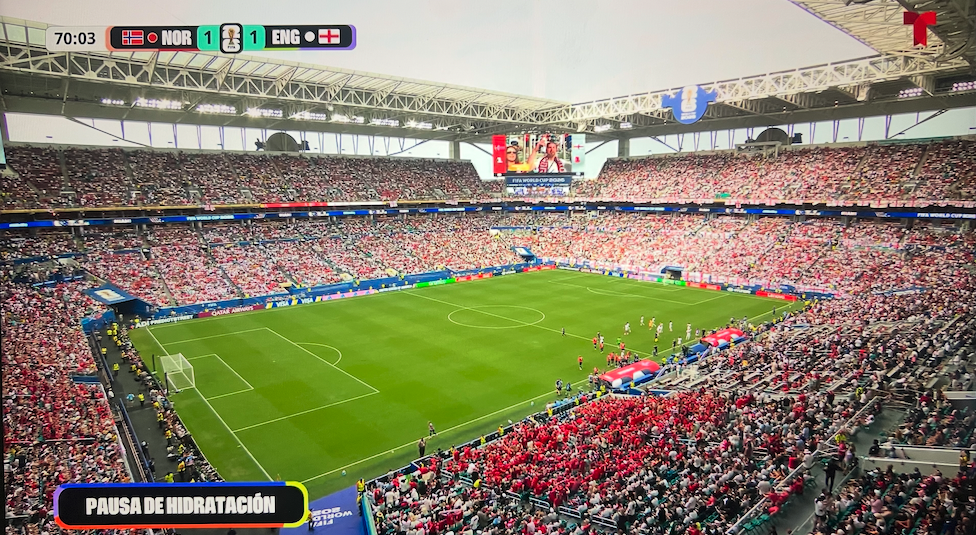 Norway vs. England hydration break on Telemundo. FOX Sports has taken the opposite position by cutting to commercials. Usually full-screen, but sometimes with a split-screen. Estimates say they’ll make ~$250M-$600M JUST on hydration break ads. Preeeetty solid ROI. But, every new ad product comes with hiccups. 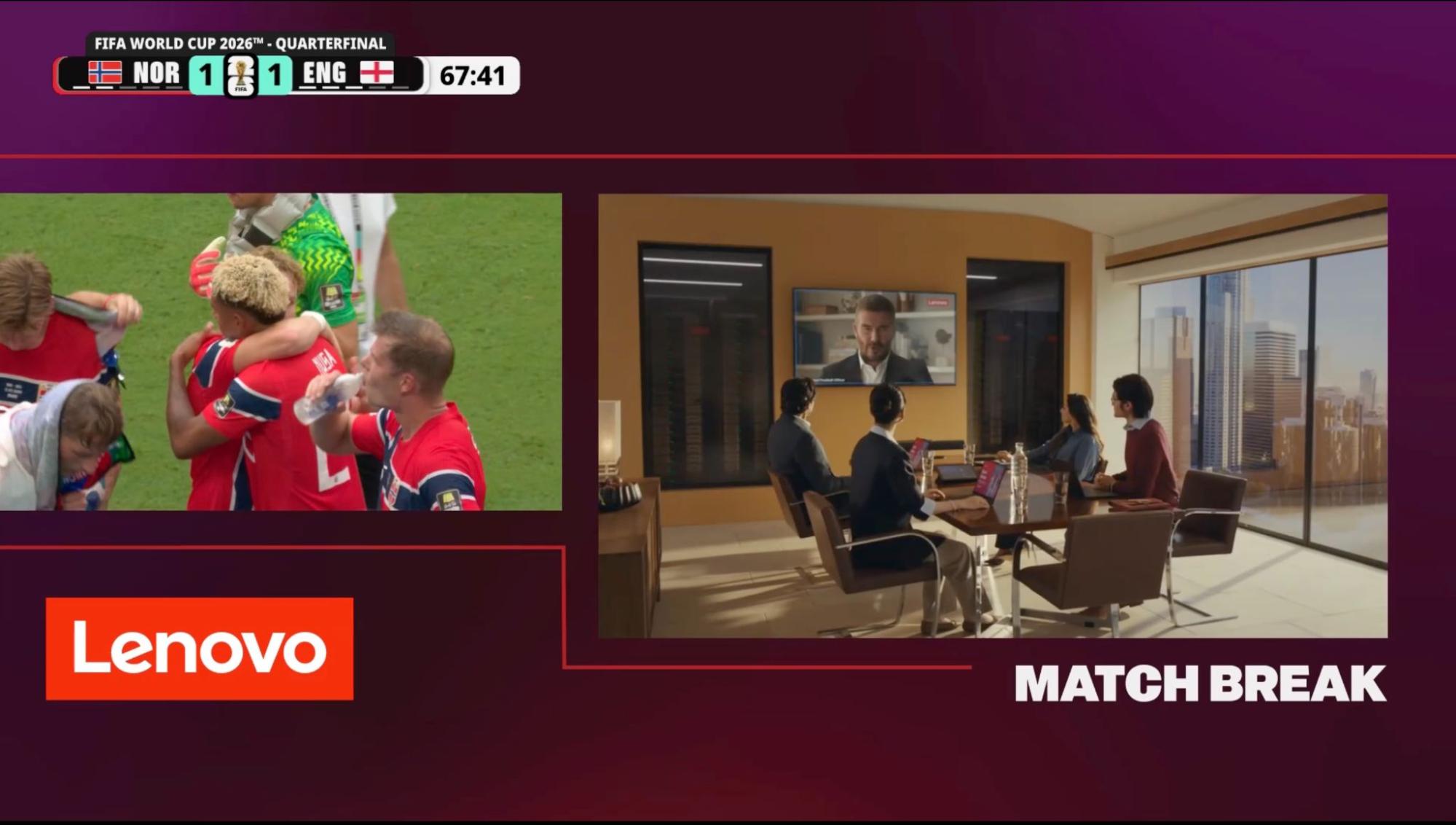 Norway vs. England hydration break on Fox. During the opening match, Fox returned late after the 2nd hydration break and missed 10 seconds of live action. Fans were furious. FIFA requires networks to return to the live match feed 30 seconds BEFORE play resumes. Fox avoided punishment by citing confusion about when the hydration break started. It hasn’t happened again. PUT IT IN PRACTICEYour brand might not be forcing a controversial hydration break, but every business has moments that can turn off customers. Time to run… an interruption audit. Here’s your homework: 1️⃣. Find the “boo.” 2️⃣. Run a perception check. Consider your target customer’s perception of your brand. Does the forced interruption feel extractive, or additive? 3️⃣. Now, figure out your “Take Me Home, Country Roads.” How can you turn your most annoying interruption into an additive experience, or even something to look forward to? Ship 1 tiny test that changes what’s inside the interruption. Give customers something that makes them glad they stayed. WATER BREAK!Despite the hydration break controversy, the 2026 FIFA World Cup is the most-watched World Cup in history. 11.5B people watched the 1st 96 matches, according to Eyeballr Global Football Intelligence. On June 25th, the World Cup broke its all-time total attendance record. 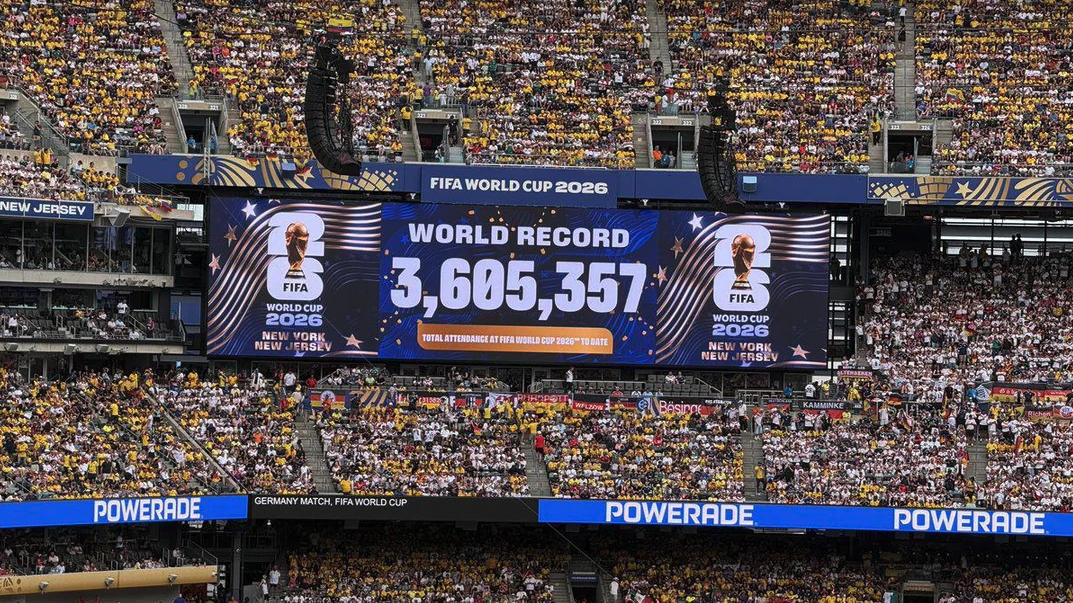 Wishing I was the 3,605,358th The U.S. vs. Belgium knockout match was the most-watched soccer game in American HISTORY, with 45M stateside viewers. And it’s not over yet! What does this mean for the future of hydration breaks… or soccer, in general? 🎱 Will the way Fox and Telemundo approached hydration breaks significantly shape their brand perception? 🎱 Will Fox’s hydration break earnings convince holdouts to embrace the new ad inventory or put a new spin on it? 🎱 Will hydration breaks become part of Europe’s “Big Five” football leagues? (Right now, they say NOPE.) 🎱 Will the popularity of this World Cup in its “Americanized” 4-quarter format make soccer more popular in the U.S.? 🎱 In the next decade, will the sport the world calls “football” run more like American football? It’s anyone’s bet. (Seriously, this might be on Kalshi.) I’ll be watching… MARKETING CHEAT SHEET (WHAT TO LEARN FROM THIS STORY): 1️⃣. Forced interruptions can feel additive or extractive to fans. 2️⃣. When in doubt, lean into tradition. 3️⃣. Every change is a risk - AND an opportunity. IN A MEME .png?sig=06fc1d5dcf34f1c912a795be59dfbad260999a664964338dbec3288cbd457302&size=email-body&dpr=2) Ahh, the bell has rung. Please be sure to do the reading (follow The Marketing Millennials on LinkedIn and me, Professor Millennial, on X). Off you go, passing period is only 11 minutes and there’s already a line at the vending machine that sells Powerade. Until next time, Professor Millennial. | ||||||||||||
|