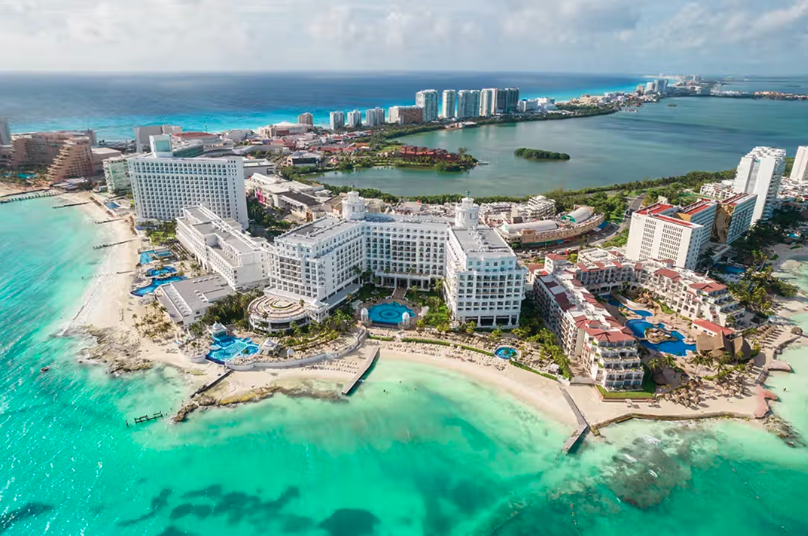
Hey Marketing Bestie, Us marketers sure can learn a lot from our Marketing fore-fathers and fore-mothers.
Consider this a parade for the greatest marketing campaigns in memory. Welcome to Marketing Classics 411, a new kind of ancient history. In place of hieroglyphs, expect to decipher the campaigns of yesteryear.
Professor Millennial teaches every Tuesday (remotely), via electronic mail. Class is now in session. |
Was this email forwarded to you? |
|
|
How A Customer Profile Created The World’s 2nd-Most Popular Vacation Destination
|
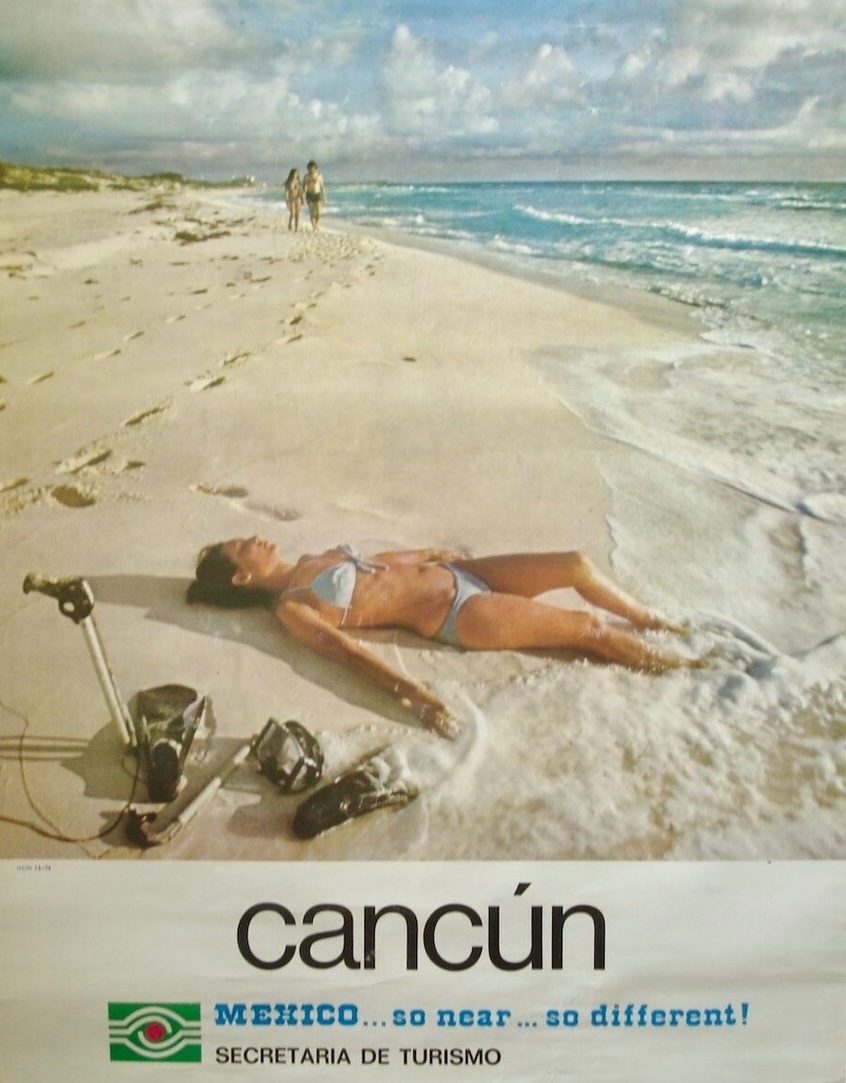
It’s Spring Break season, so today we’re diving into one of the most iconic (and possibly infamous) beach destinations in history. In 1970, just 3 people lived there. Today the population exceeds 1M.
With over 24M tourists visiting each year.
How did this random spot become the most popular international spring break destination, and the 2nd-most visited destination on earth? It wasn’t by accident. Or luck. It’s because of Marketing. Market research, that is.
Because a team built a customer profile for the visitors it wanted to attract.
This team asked: Who’s our customer? Where do they come from? What do they want to do? How far will they travel? How long will they stay?
Then they designed a destination from the (literal) ground up that could give that customer everything they wanted. Including a tan.
This resort city was engineered to go viral before “going viral” was even a thing. It’s a lesson on the power of putting audience 1st, and product 2nd. Something a lot of Marketers get backwards.
This is the story of… Cancún. |
In 1967, Mexico was in a $400M+ trade deficit with the U.S., importing more goods and services than it exported. No bueno.
But what assets did Mexico have that Americans might want? Oh, I dunno…. Amazing weather. Gorgeous beaches. Ancient ruins. Amazing weather for visiting ancient ruins near gorgeous beaches.
At the time, American tourists were flocking to the Caribbean. Mexico decided to ride the tailwind and get into the resort business. The government allocated $2M USD, administered by Bank of Mexico (the country’s version of the Federal Reserve) to find tourism development zones.
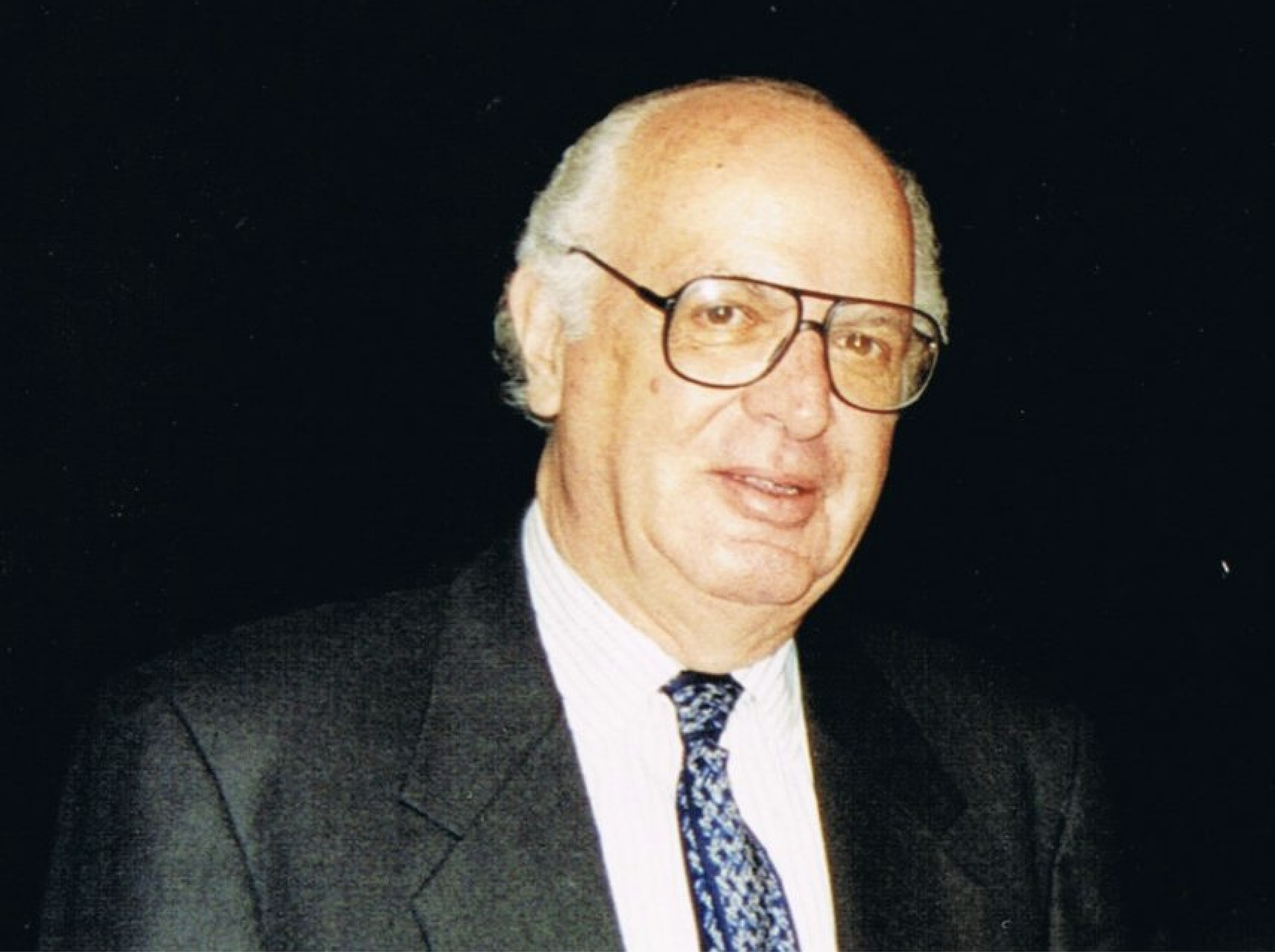
Bank of Mexico created an agency called INFRATUR (Fund for the Promotion of Tourism Infrastructure) and put Antonio Enriquez Savignac, a 40-year-old Harvard-educated economist, in charge. |
Enriquez later told the New York Times, "We knew exactly what we wanted to build—a resort that would attract a massive flow of tourists from the United States." Brief clarity, check. VAMOS. |
INFRATUR’s mission was to prioritize areas with “no other viable development alternatives.” They decided on SEVERAL options.
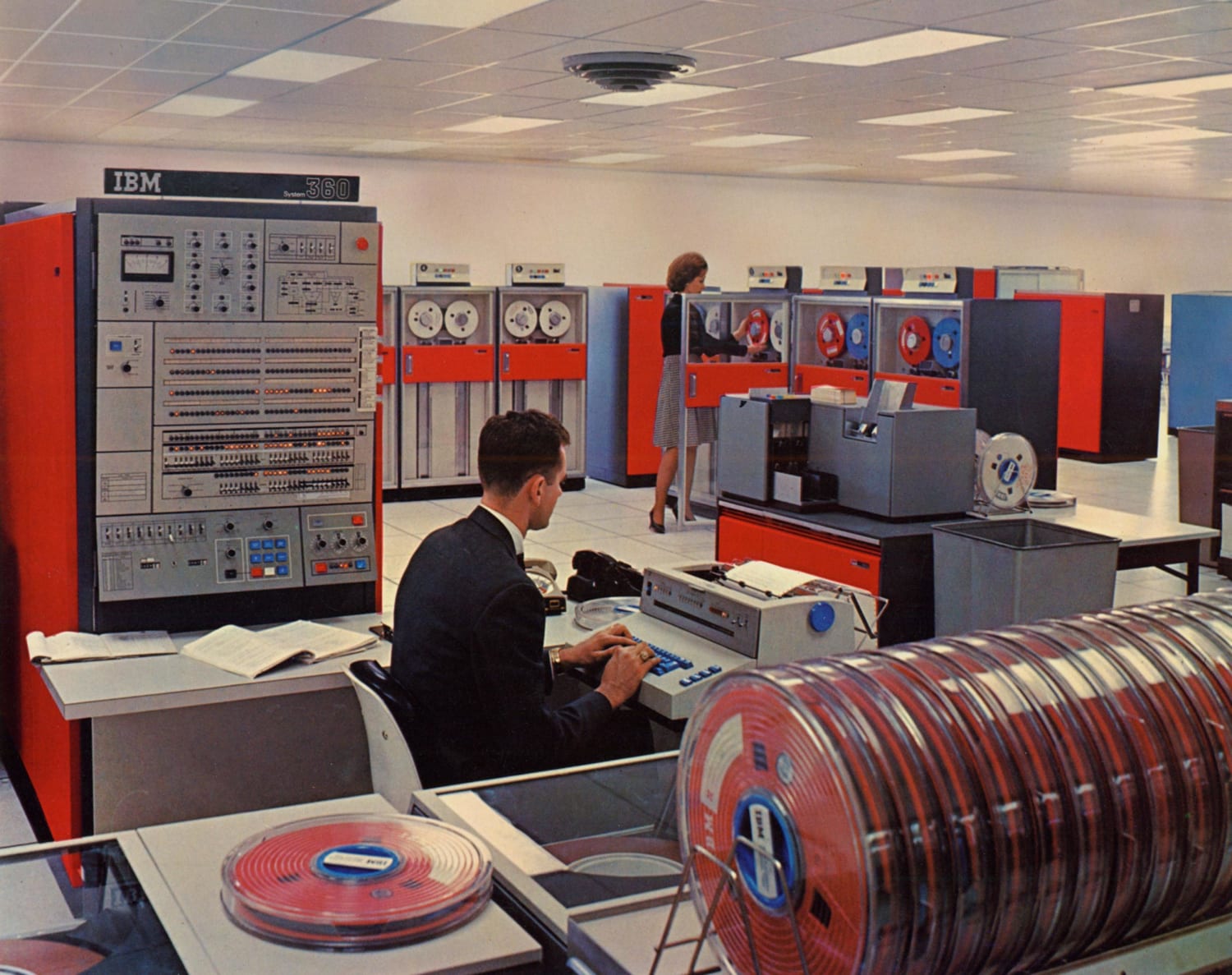
Then, instead of hunches, Enriquez's team turned to data and then-super-high-tech IBM S/360. |
Back when 128 KBs weighed 610 lbs. (via NBC News)
|
The team created a consumer profile of the "typical beach-oriented tourist" Mexico wanted to attract. Instead of demographics, it looked at their habits: -
They were traveling longer distances - to destinations like Miami Beach, Acapulco, Honolulu, and the Caribbean.
- Taking longer stays - at places that had natural beauty…without being too rustic.
-
Seeking weather that was warm and sunny…but not stifling.
- Lush vegetation…without mosquitoes.
- Blue oceans and white sand beaches…but hold the sharks, please.
After reviewing, the team was SURE they could create a more convenient and affordable Caribbean alternative.
They spent months building a computer model that analyzed data about Mexico’s 6,000 miles of coastline, looking for: ⛅: Climate
🌊: Water temperature 🌀: Hurricane risk 🏝: Beach quality
🦟: Insect populations
In a University of Mexico lab, the team used 100 years of hurricane data and scale-model hotels to figure out how to build safe structures.
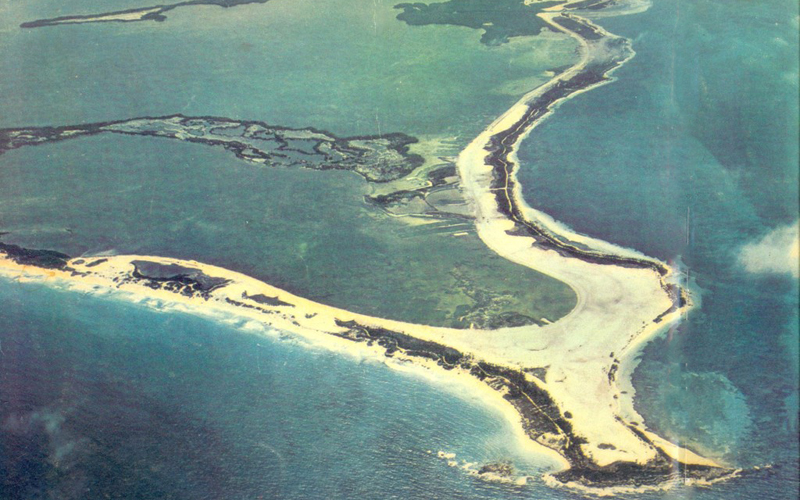
In 1969, the team narrowed 25 potential sites down to a 9-mile strip of jungle island in the Yucatán Peninsula. |
Mexico would build a resort city in the area known as Cancún |
INFRATUR was confident in its consumer research + computer model. Private investors, not so much.
The Mexican government had to finance Cancún’s first 9 hotels itself. Construction broke ground in January 1970. Starting with a Hyatt property, the “Cancún Caribe.”
(They said: hey tourists, we’re on the Carribbean Sea too, just FYI.)
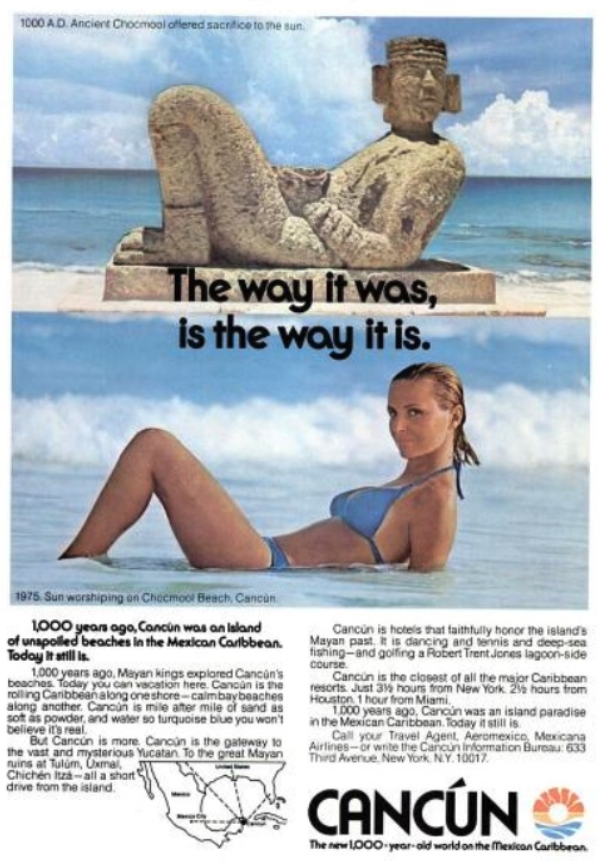
To attract the American tourists they wanted, the hotels planned to hire English-speaking staff, serve familiar food, and offer all-inclusive packages. |
Don’t worry, turistas: there are hamburgers, and you can speak English.
(via eBay Australia) |
But hotels were only 1 small part of the infrastructure.
Cancún also needed: 🛣: A road from the fishing village of Puerto Juárez to Cancún 🚿: Water, sewage, and electricity infrastructure
🏠: A place for local workers to live 🛬: An international airport for los Americanos In 1974, a small airstrip and the 1st hotel, Playa Blanca (“White Beach”), opened.
Within a year, the new resort city had over 100K visitors. The new Cancún International Airport celebrated its 1st commercial flight in May 1975. |
*Except for the hotels, airport, roads, residential area, and tourists.
(Sep 1976 issue of Texas Monthly, via Bionic Disco. Look at that map!)
|
In 1970, Cancún had 3 residents. By 1975, it had 10,000.
The Inter-American Development Bank held its 17th annual reunion in Cancún in 1976 and sent a global message:
Cancún was open for business AND pleasure, at scale.
By 1980, there were nearly 60 hotels in operation.
|
|
|
Before Cancún existed, INFRATUR built a behavioral profile of its ideal customer.
It answered questions like: How far do they travel? How long do they stay? What do they need to feel safe? What will make them come back? Then INFRATUR built the product to fit. Here’s your homework:
1️⃣. Write your customer's "resort checklist."
What are their non-negotiables before considering your product? Not features. Conditions. These are the table-stakes requirements you have to meet just to be in consideration. 2️⃣. Identify your "Caribbean tourist growth curve."
Enriquez had the data: Caribbean tourism from the U.S. grew from 400K to 1.5M in 8 years. What's the macro trend your product’s positioned to ride? If you can't articulate the tailwind, you may be building in the wrong market.
3️⃣. Find your "island with 3 residents."
The location now known as Cancún had just 3 residents in 1970. Most transformative brand positions are still wide open. Where’s the white space your competitors haven't noticed, because there's no proof of market yet? |
|
|
By the mid-1980s, Cancún was known as a romantic honeymoon haven. Then disaster struck.
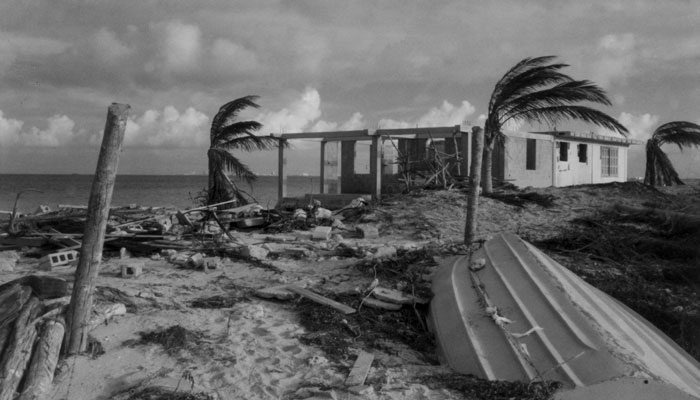
On September 14, 1988, Hurricane Gilbert made direct landfall on the Yucatán Peninsula.
The category 5 hurricane brought wind gusts up to 218 mph and a 15-20 foot storm surge.
At the time, it was one of the most powerful Atlantic hurricanes ever recorded. More than 5K American tourists were evacuated. Up to 35K residents lost their homes.
Despite INFRATUR’s research, 75% of hotel infrastructure was destroyed. |
Damage to the Cancún and Cozumel areas was estimated at over $500M USD. Trip cancellations and hotel closures led to a loss of $87B over the next 3 months. Cancún needed to rebuild FAST.
Recovery took roughly 3 years, but some hotels were operational within a few months. Still, there was a big problem: nobody wanted to honeymoon in a construction zone. But there was a whole different group who were down for sun and surf at a discount: spring breakers. Cancún had been a government-built resort city.
Post-Gilbert reconstruction allowed it to upgrade to a globally-competitive luxury destination.
Meanwhile, Cancún’s younger, wilder spring breakers in the early 1990s led to an accidental rebranding.
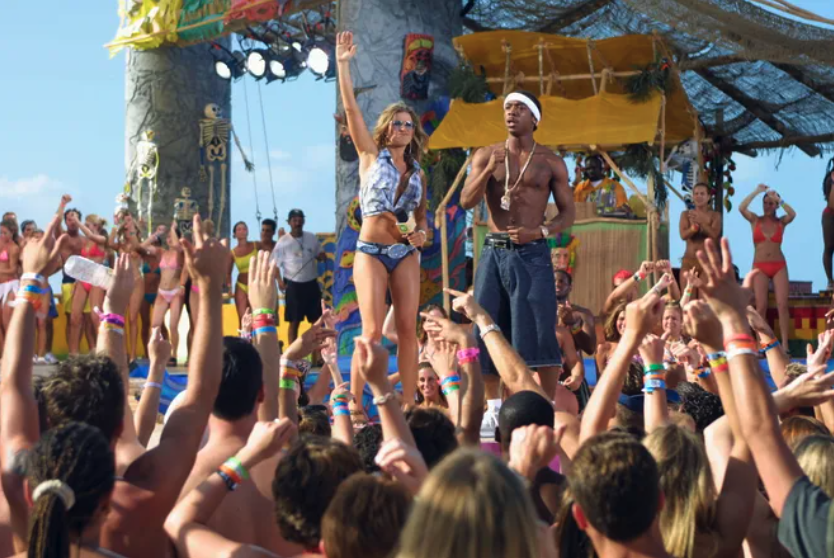
MTV also deserves a special mention for cementing Cancún’s “party hard” reputation. |
Carmen Electra, Ja Rule, and wait a second ARE WE OLD NOW?! (via USA Today) |
Its annual Spring Break special traveled to Mexico for some extra loco debauchery in 1999. The cast of Road Rules cruised Cancún the same year.
Eventually, 8 strangers stopped being polite and started getting real (drunk) on The Real World: Cancún. The party was in full swing.
Until Hurricane Wilma damaged 80% of Cancún’s hotels in 2005.
|
Today, Cancún is the 2nd-most visited tourist destination in the WORLD. |
Nearly 10M international tourists visit each year. Around 63% are American.
Cancún ALONE generates a third of Mexico’s total tourism revenue and operates the country’s busiest airport.
But these days, it’s really trying to change its image.
The spring breakers who saved Cancún after Hurricane Gilbert ended up deterring families and upscale travelers from visiting.
When Hurricane Wilma forced another round of reconstruction, developers homed in on the more sophisticated luxury market.
Over the years, cartel violence, extreme weather, and the sargassum seaweed crisis have also impacted tourism to Cancún.
But whatever happens to Cancún in future…you have to hand it to Antonio Enriquez Savignac, over half a century ago.
Cancún successfully attracted the travelers it wanted (give or take a few really rowdy college students)...and transformed the Mexican economy.
Cancún’s Hotel Zone, with a narrow island of hotels and a mainland hub for residents, is almost exactly as INFRATUR envisioned it in the late 1960s.
That’s the power of a customer profile. |
|
|
MARKETING CHEAT SHEET (WHAT TO LEARN FROM THIS STORY): |
1️⃣. Define the customer’s needs before you build the product. INFRATUR didn't start with "what do we want to build?" They started with "who is our customer, and what do they want?" The computer model, the site selection, the hotel architecture…everything flowed from a consumer profile. A lot of brands get this backwards. 2️⃣. Sometimes the best GTM strategy is being in the right place.
Mexico couldn't outspend the U.S. or Europe on tourism marketing. So they built a product that was geographically, climatically, and experientially optimized for their target buyer. Position > promotion.
3️⃣. Crises are rebranding opportunities, if your product is solid.
Hurricane Gilbert devastated Cancún. The city recovered and, in doing so, attracted a new customer segment (spring breakers) that fueled the next growth phase, until the next hurricane. A strong product foundation makes pivots possible. |
|
|
Ahh, the bell has rung. Please be sure to do the reading (follow The Marketing Millennials on LinkedIn and me, Professor Millennial, on X). Off you go, passing period is only 11 minutes and there’s already a line at the vending machine that sells Advil and coconut water. (IYKYK)
Until next time,
Professor Millennial |
|
|
{if !profile.vars.marketingland_user_fitness && profile.vars.marketingland_user_fitness != false}Join 7,390 other marketing leaders in Marketingland |
|
|
{/if}{if profile.vars.marketingland_user_fitness == true}{/if}Get your brand in front of 126,900+ marketing leaders. |
Workweek Media Inc.
1023 Springdale Road, STE 9E
Austin, TX 78721
Want to ruin my day? Unsubscribe. |
|
|
|