Hey Marketing Bestie, Us marketers sure can learn a lot from our Marketing fore-fathers and fore-mothers.
Consider this a parade for the greatest marketing campaigns in memory. Welcome to Marketing Classics 411, a new kind of ancient history. In place of hieroglyphs, expect to decipher the campaigns of yesteryear.
Professor Millennial teaches every Tuesday (remotely), via electronic mail. Class is now in session. |
Was this email forwarded to you? |
|
|
How Paul Mitchell Turned $700 Into A $3B Shampoo Empire |
The problem with most distribution channels is that you’re “renting” your audience.
Today’s lesson is about a luxury brand that solved this problem by turning education into an owned growth channel. It all started with 2 friends, $700, and 3 products. By the brand’s 20th anniversary, it had nearly 40 SKUs.
But in the year 2000, the industry was evolving at a hair-raising speed.
It was awash in new styles, trends, and tools. A tangle of competitors battled for market share. Professionals had to keep their skills (and scissors) sharp.
To stay relevant, this brand decided to be the lesson AND the teacher. It’s a playbook for any category in which practitioners influence purchase decisions. This is the story of… Paul Mitchell. |
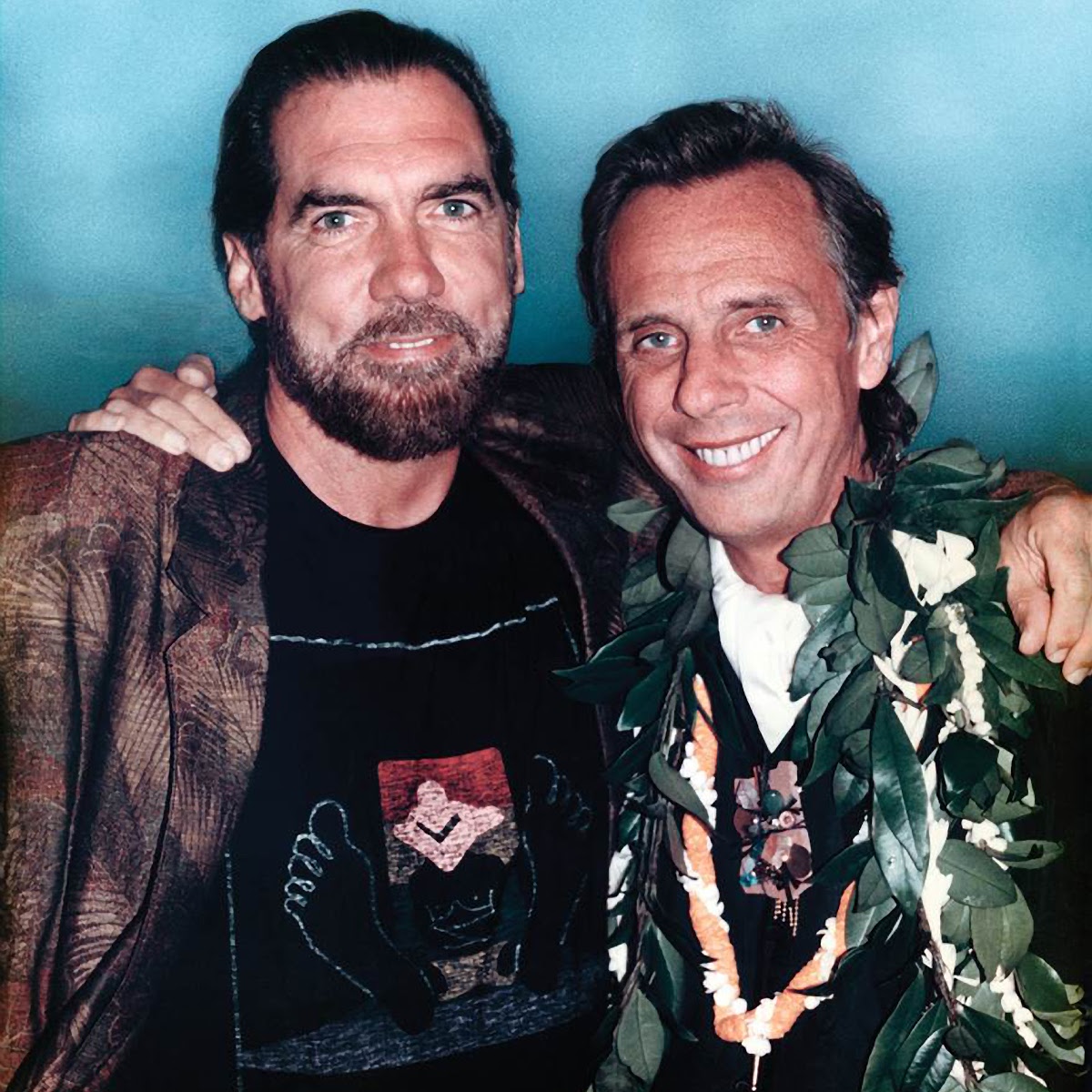
Paul Mitchell and John Paul DeJoria met in 1972 at a hair trade show.
Paul was a hairstylist who worked at prestigious salons, like Vidal Sassoon, before opening his own in NYC.
John Paul was a district sales manager for Redken.
They became friends and co-founded John Paul Mitchell Systems, better known as Paul Mitchell, in 1980.
|
By that time, Paul had sold his salon and moved to Hawaii. John Paul was broke and living out of his 20-year-old Rolls-Royce.
(Don’t worry. A few years later, he also co-founded Patrón Spirits Company. Now he’s a multi-billionaire.) The 2 friends couldn’t get a business loan, so they each put in $350. Not $350K. Three hundred and fifty bucks.
The brand launched with 3 products: Shampoo 1, Shampoo 2, and The Conditioner.
The packaging was simple black and white, the cheapest option.
|
Paul brought the styling expertise. John Paul had the Marketing background. Paul Mitchell, the brand, was stylishly scrappy. By 1986, it had nearly $100M in sales.
How’d they make the cut? |
If you had to boil Paul Mitchell’s success down to 1 thing, it’s this: Paul Mitchell’s primary target audience was never the consumer. It was the salon professionals those consumers trusted with their hair.
The brand’s products could only be purchased in salons.
|
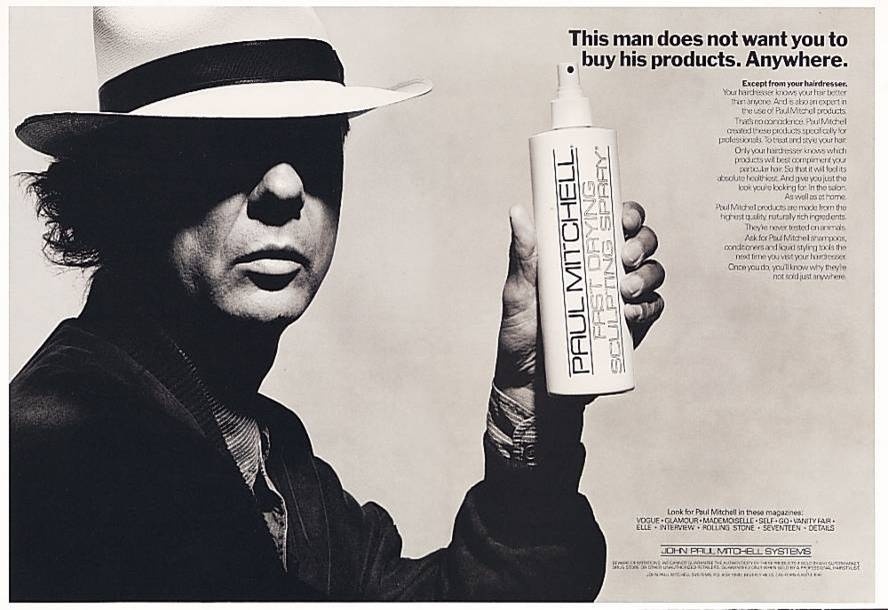
A 1987 ad in Vogue. Don Draper would approve. (via Pinterest) |
Paul Mitchell wasn’t the only salon-exclusive haircare brand, but it was an “affordable luxury” O.G. Why didn’t Paul Mitchell open its own salons? High operating expenses. Paul had been there, and taken a haircut on it. |
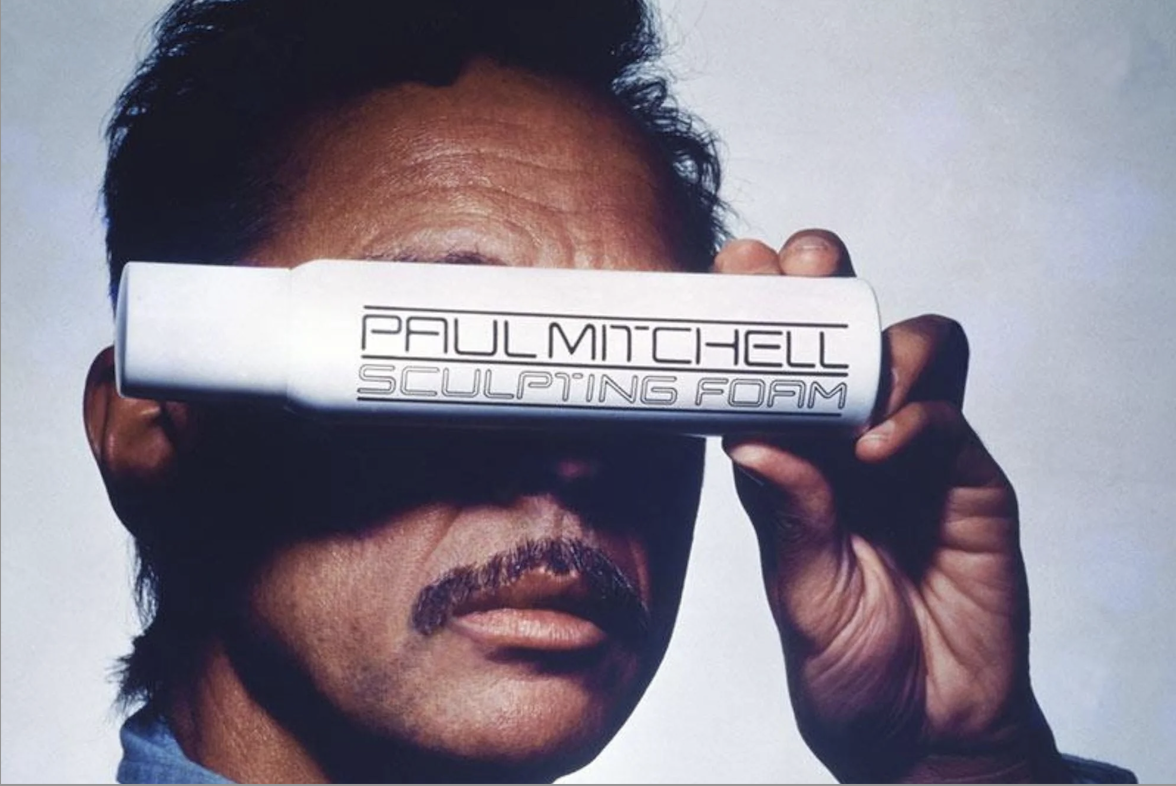
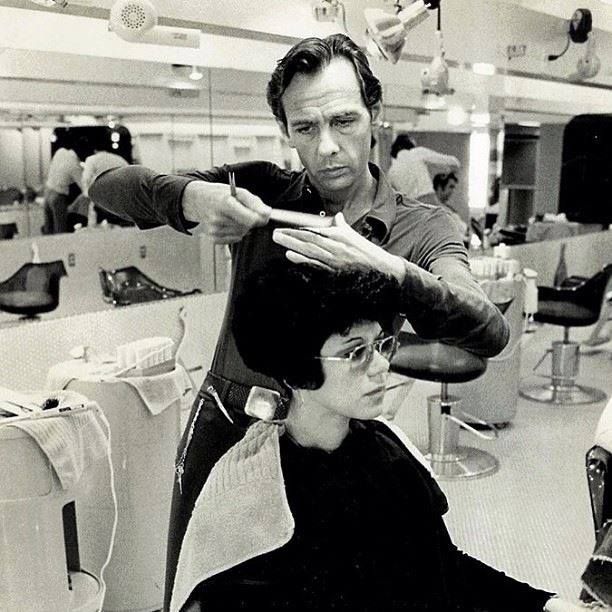
Paul Mitchell, cutting hair and taking haircuts. (Pinterest) |
Instead, the brand’s mission was to support independent salon owners, not compete with them. Here’s how it worked:
💇♀️: Hairstylists in authorized salons bought Paul Mitchell products wholesale to use on customers, effectively offering a live demo.
🪮: Then hairstylists gave customers the chance to buy the professional-grade products for at-home washing and styling.
✂: And they earned a cut of every sale. Selling in salons, instead of mass-market retail, protected brand reputation.
Because expert endorsements and product education were built-in.
|
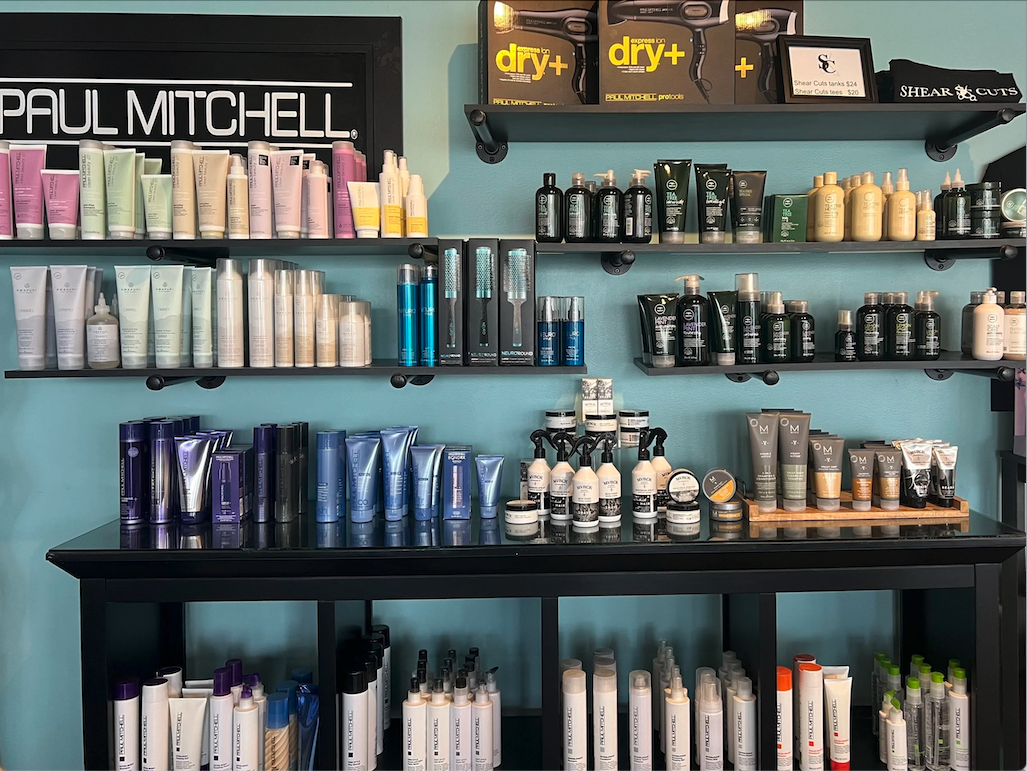
The Paul Mitchell salon display, 37 products later. (via Shear Cuts) |
Bottles were coded and tracked to prevent product diversion, aka unauthorized selling on the grey market. 20 years in, in the year 2000, Paul Mitchell was at an inflection point.
It was a major haircare brand with 40 products, including styling tools, and millions in annual revenue. It was well-respected for its cruelty-free standards, sustainable ingredients and packaging, and philanthropy.
But it was losing traction with the next generation of beauty professionals. There were several salon-grade competitors in the haircare space. Aveda, Bumble and bumble, Davines…
They had more brand recognition, because they sold their products at luxury department stores and premium beauty retailers. It was time to try something different. |
Paul Mitchell’s early brand building leaned on education and stagecraft at hair trade shows.
Paul was a master at live demos and won his first hairdressing competitions as a teenager. Sadly, he died in 1989 of pancreatic cancer. Angus Mitchell followed in his father’s scissor snips and joined the brand as a co-owner and ambassador. |
In 2000, the 1st Paul Mitchell School opened in Costa Mesa, California. Education was already in the brand’s DNA.
Now it was formalized in a Cosmetology curriculum for aspiring salon professionals.
Students traditionally completed this coursework at community colleges or vocational schools. Paul Mitchell wasn’t the first haircare brand to open a school. Vidal Sassoon Academy opened in the ‘70s. The Aveda Institute launched in 1982. The Redken Exchange introduced continuing education in 1996.
Barbers and hairstylists must be licensed to practice in the U.S.
The Paul Mitchell School curriculum covered the hard skills that would be on the state exam.
They also took a step not all beauty schools do - they got nationally-accredited, so their students could get federal financial aid.
Students were trained on Paul Mitchell products exclusively.
As well as the “be nice (or else!)” business philosophy of School dean Winn Clayburgh.
|
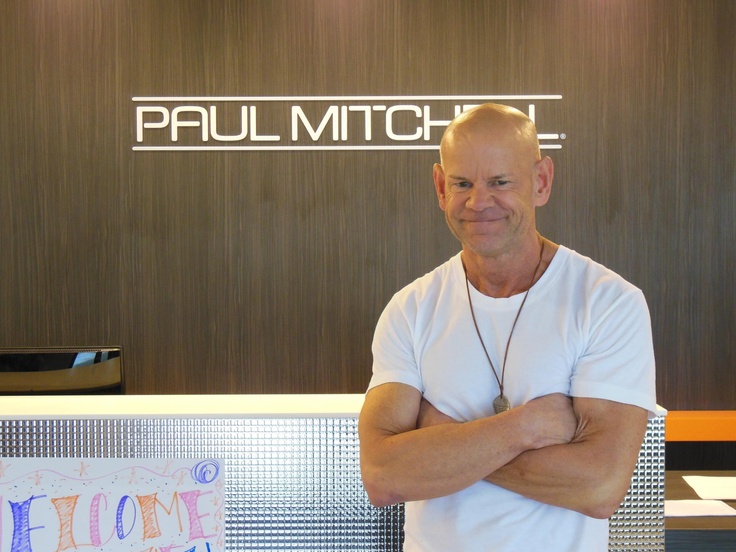
Winn Clayburgh, not a hair out of place. (via Pinterest) |
The end goal: to recruit a new generation of salon pros who would buy, use, and sell Paul Mitchell products. |
|
|
Paul Mitchell’s primary target audience is salon professionals, not consumers. Time to make customer “education” literal. Here’s your homework:
1️⃣. Pick 1 practitioner segment that influences purchase in your category (coaches, admins, analysts, creators, etc.).
2️⃣. Now, design a micro-curriculum that helps practitioners do their job. Consider adding a credential they receive upon completion.
Keep the curriculum short. Maybe 4 lessons, 15-30 minutes each, and 1 takeaway (checklist, script, template) per lesson.
3️⃣. Embed your product in the training the way Paul Mitchell does, through tools, systems, and workflows.
4️⃣. Choose what success metrics to track (completions, pipeline generation, etc.), plus downstream metrics, like referrals and retention. |
|
|
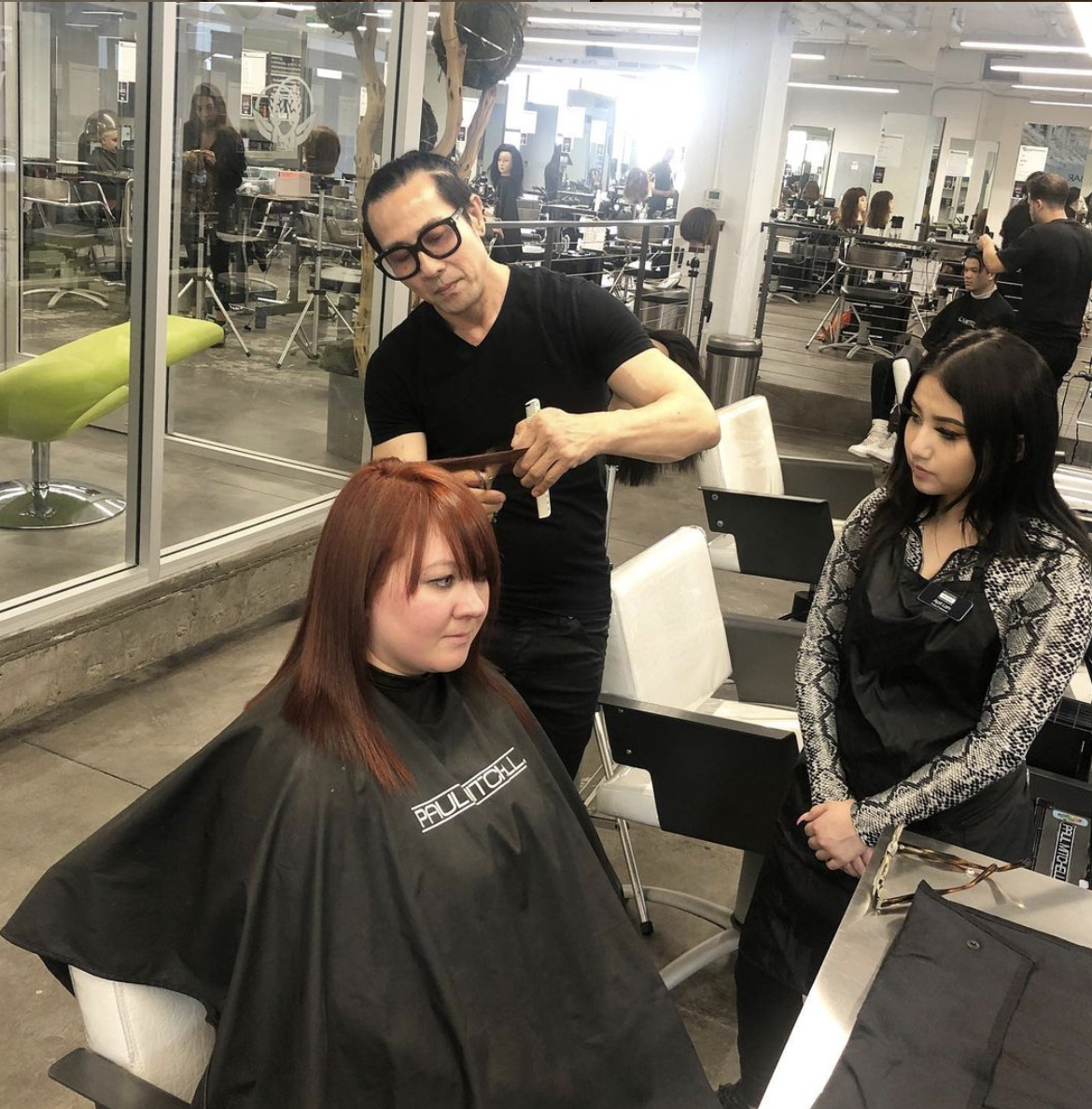
Paul Mitchell Schools were an expansion into education AND franchising. It was a branded distribution channel, but independently owned and operated. Today, there are over 90 schools nationwide.
Each works with a Paul Mitchell sales team member and authorized distributor.
This builds loyalty at scale, but it also requires operational rigor. |
It’s always finals week when scissors are involved. (via Paul Mitchell) |
Franchise consistency is critical. Any problems wouldn’t be attributed to franchisees. They’d hurt the Paul Mitchell brand. Curriculum development, instructor training, and governance deliver consistency, but require overhead. Education, especially in the trend-driven hair and beauty industries, has to evolve.
Students need to pass licensing exams to become Paul Mitchell pros. Each state has its own laws, sanitation protocols, and requirements.
The Advanced Education team is the operational answer. It travels the country training school instructors. Programs vary by location. In addition to Cosmetology and Barbering, some schools offer Esthetics, Nails, Makeup, and Instructor Programs. The grades are in for Paul Mitchell Schools: *according to National Accrediting Commission of Career Arts and Sciences (NACCAS) 🎓: 10K+ annual graduates 📝: 94% licensure rate 💈: 79% average placement rate Product sales are still Paul Mitchell’s main source of revenue. Investing in education is playing the long game, and it comes with a lot of rules, players, and expenses.
Sometimes, difficulty is the moat.
|
Today, Paul Mitchell brings in an estimated $1B in annual revenue. That doesn’t mean it’s been easy.
Younger consumers tend to covet more modern prestige brands, like Olaplex and Nécessaire...or their less expensive dupes.
Plus, 42% of salon customers say they’re going in less often for professional care. In a world where people see their stylists less often, they're doing more product discovery on their own.
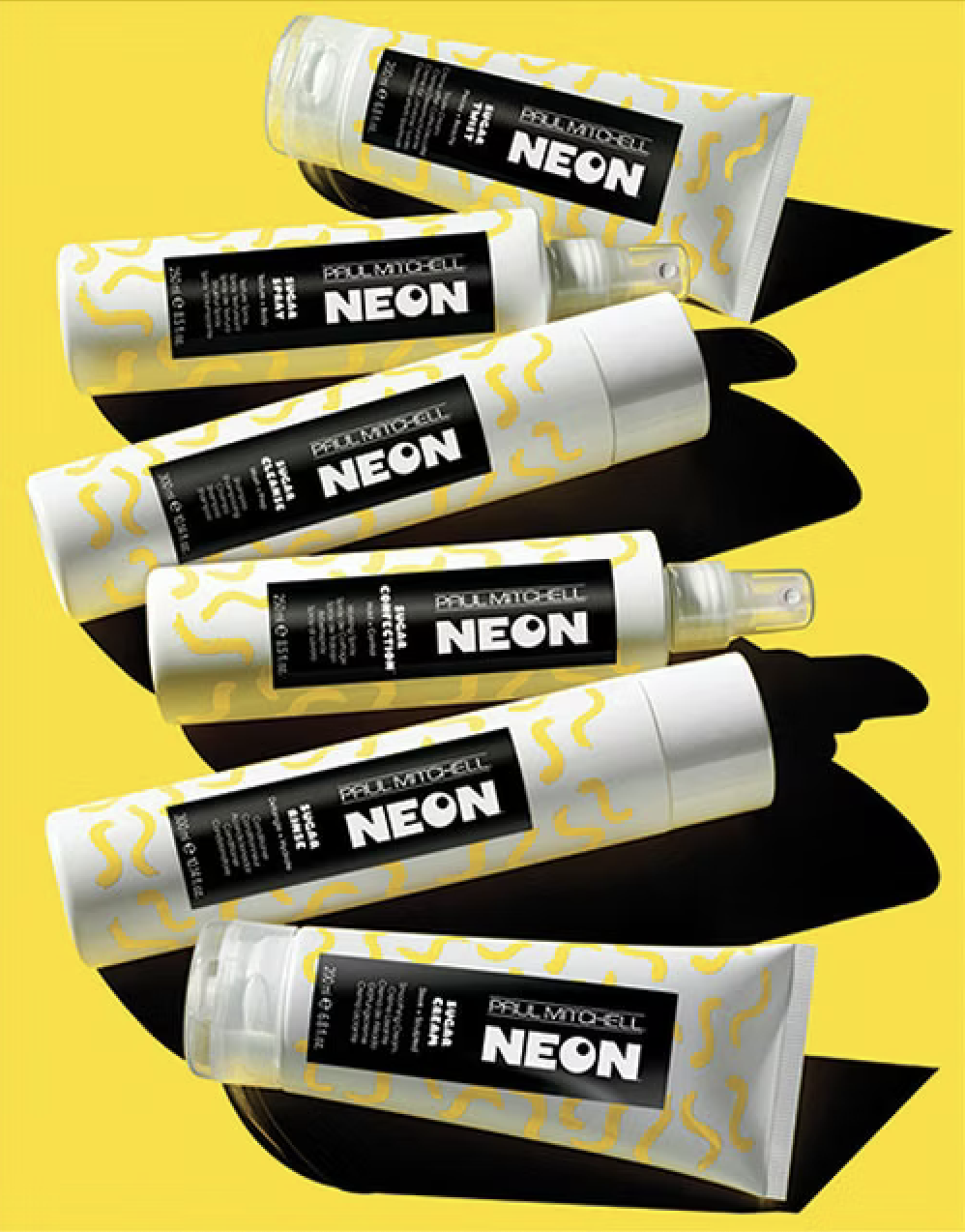
In 2016, Paul Mitchell finally dabbled in ecommerce with the launch of the Neon line for teens.
|
But the brand still wasn’t “sold” on digital. That would take a greater force: the pandemic. Paul Mitchell’s salon-exclusive retail strategy had worked for years. When salons suddenly closed, the brand lost almost 60% of revenue.
John Paul and Angus injected $6M just to stay afloat.
Then, in October 2020, Paul Mitchell launched its Clean Beauty line with Amazon and Ulta Beauty.
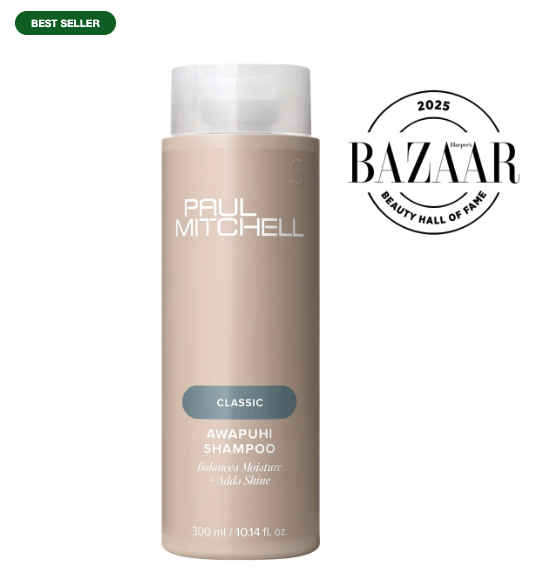
In 2024, it undertook a full digital transformation. Now, anyone can buy Paul Mitchell products DTC. Consumers get 1 price. Salon pros get wholesale deals. |
The lesson from Paul Mitchell is fitting for a haircare brand: Every business needs a refresh from time to time. To trim dead ends for efficiency…. Add in new growth layers…
Condition top-performing levers. Change Marketing tone and texture…
Just be careful about getting bangs. (You can decide what the business equivalent is there.) |
|
|
MARKETING CHEAT SHEET (WHAT TO LEARN FROM THIS STORY): |
1️⃣. Education can be distribution.
Paul Mitchell opened schools to recruit a new generation of salon pros who would buy, use, and sell Paul Mitchell products.
Training shapes default behavior, and default behavior drives recurring demand. 2️⃣. Your moat is your system.
Paul Mitchell Schools were an expansion into education AND franchising.
A solid curriculum, expert training, and regular updates made Paul Mitchell Schools scalable, while maintaining consistency and quality. 3️⃣. Every brand needs a refresh. Paul Mitchell was resistant to ecommerce and stuck to its salon-exclusive retail strategy. Until the pandemic closed salons and 60% of the brand’s revenue disappeared. Now consumers can buy Paul Mitchell products DTC, on Amazon, at other authorized online retailers...and the old-fashioned way, at salons. |
|
|
Ahh, the bell has rung. Please be sure to do the reading (follow The Marketing Millennials on LinkedIn and me, Professor Millennial, on X). Off you go, passing period is only 11 minutes and there’s already a line at the vending machine that sells Paul Mitchell Tea Tree Shampoo.
Until next time,
Professor Millennial |
|
|
{if !profile.vars.marketingland_user_fitness && profile.vars.marketingland_user_fitness != false}Join 7,390 other marketing leaders in Marketingland |
|
|
{/if}{if profile.vars.marketingland_user_fitness == true}{/if}Get your brand in front of 118,100+ marketing leaders. |
Workweek Media Inc.
1023 Springdale Road, STE 9E
Austin, TX 78721
Want to ruin my day? Unsubscribe. |
|
|
|