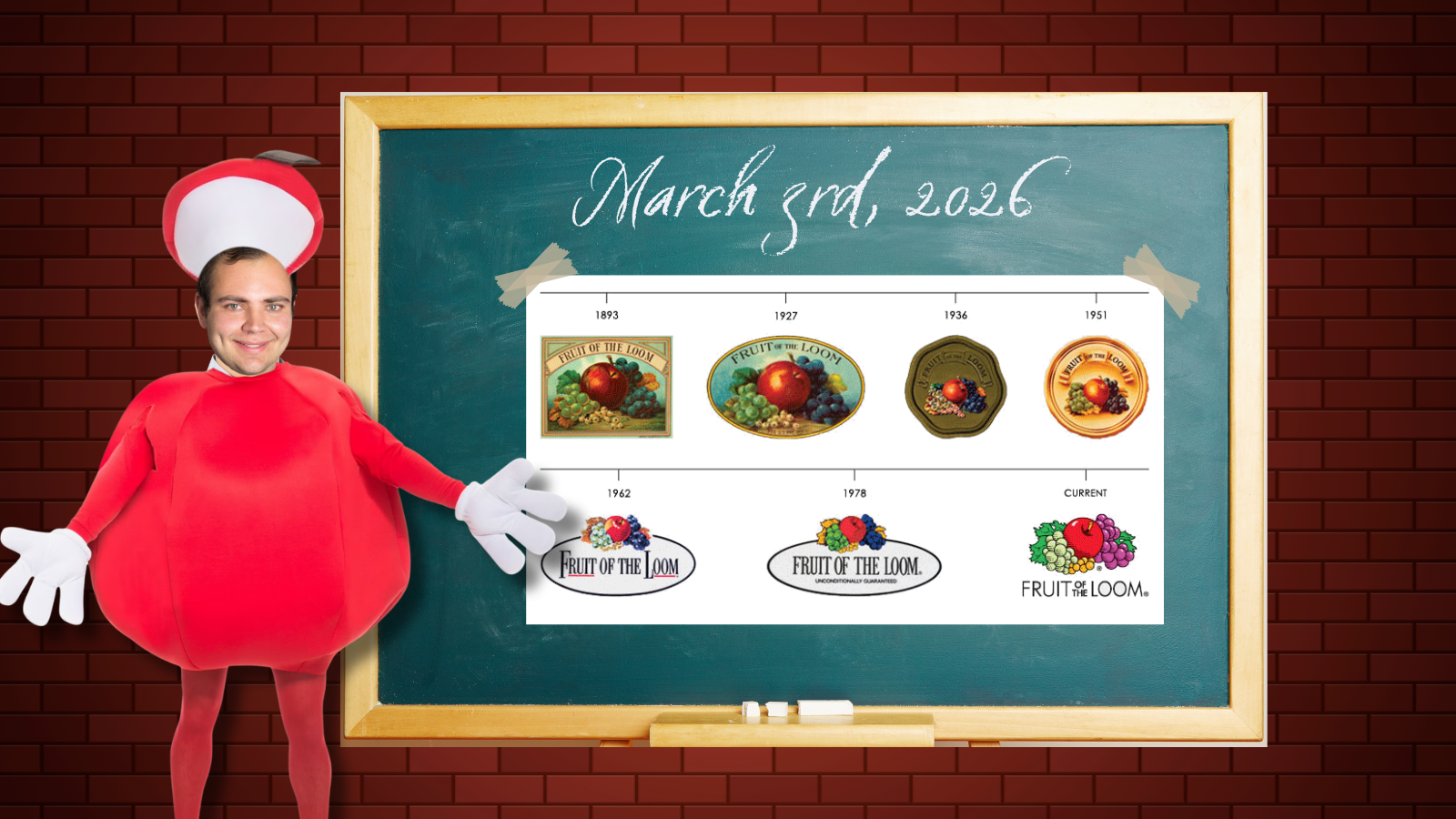
Hey Marketing Bestie, Us marketers sure can learn a lot from our Marketing fore-fathers and fore-mothers.
Consider this a parade for the greatest marketing campaigns in memory. Welcome to Marketing Classics 411, a new kind of ancient history. In place of hieroglyphs, expect to decipher the campaigns of yesteryear.
Professor Millennial teaches every Tuesday (remotely), via electronic mail. Class is now in session. |
Was this email forwarded to you? |
|
|
How Fruit Of The Loom Reinvented Its Greatest Brand Asset |
POP QUIZ: The #2 fastest-growing brand among U.S. adults is… - 175 years old
- Your grandpa’s favorite tightie whities
- All of the above?!
The answer is C.
To snag #2 (they landed just behind DoorDash, and ahead of TikTok Shop), this brand had to master (and remaster) the basics.
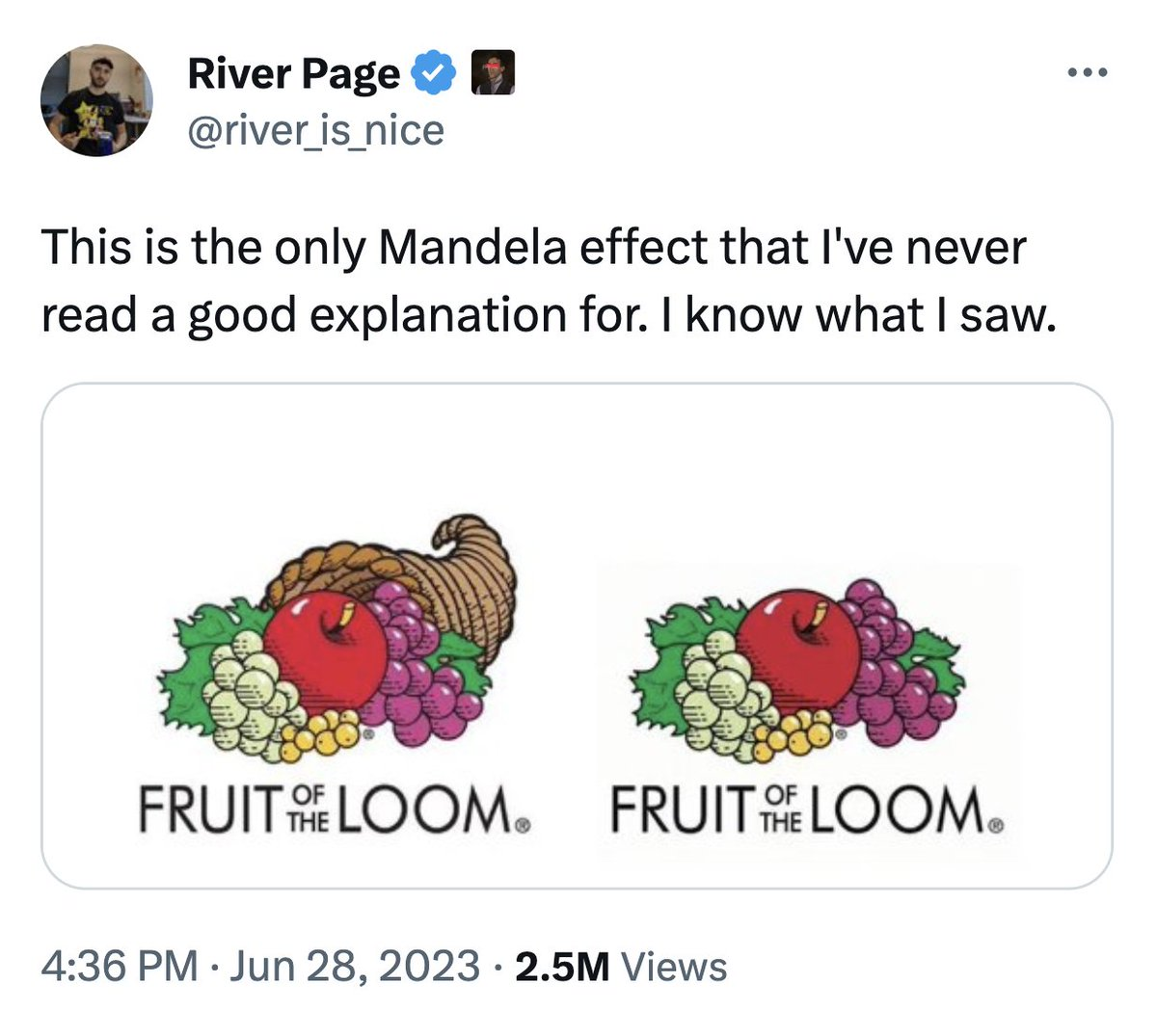
With 1 of the world’s oldest trademarks and a logo so embedded in the popular imagination that it’s widely misremembered.
In 1975, their mascots The Fruit Guys brought the brand name and logo to life in TV commercials and print ads.
They were viral before going viral was a thing. But later, the company nearly withered on the vine. The Fruit Guys disappeared, but consumers never forgot them.
This is the story of HOW and WHY a legacy apparel brand brought beloved brand characters back. But not to the same old Marketing channels. Because this wasn’t a re-run, it was a reinvention.
Built for TikTok and Instagram, and bolstered by the loungewear boom.
Liked, shared, and led by Gen Zers and Millennials.
This is the story of… Fruit of the Loom.
|
The company known as Fruit of the Loom was founded in 1851 in Warwick, Rhode Island by 2 brothers named Benjamin and Robert Knight.
The original name: B.B. and R. Knight Corporation. Not the catchiest. The brand name was inspired by the branding genius of 1 shopkeeper’s daughter.
History only refers to her as Miss Skeel. It’s a shame, because she was a brilliant Marketer. To attract customers to the Knight Corporation’s fine cotton muslin, Miss Skeel painted apples on paper and placed them on the fabric bolts.
These “labels” stood out. No other industrially-milled fabric had them. The fabric sold quickly. Miss Skeel made new labels for the next order. The Knight brothers took this brilliant (and free!) Marketing idea and ran with it.
They mass-printed fruit labels for all their textiles. In 1856, they came up with a clever brand name that incorporated all this fruity branding. Well, someone did. Honestly, I wouldn’t be surprised if Miss Skeel was behind that, too…
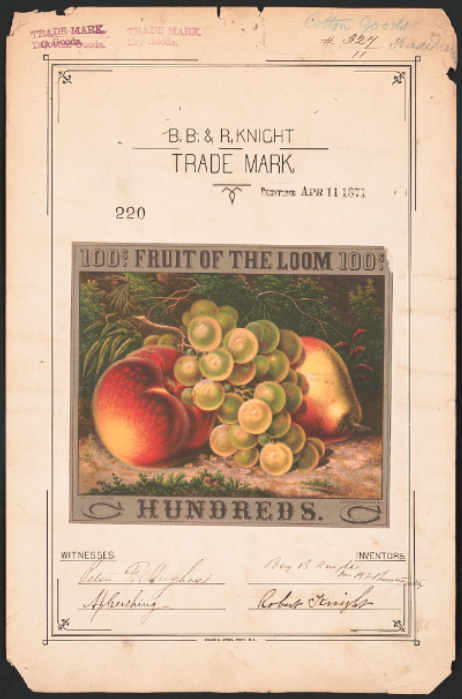
Either way, in 1871, the brothers received one of the 1st U.S. trademarks for the new name, making Fruit of the Loom more established than Coca-Cola or the lightbulb.
|
CUT FROM A DIFFERENT CLOTH |
Let’s fast-forward. 🍇 A brief(s) history of Fruit of the Loom 🍎
1891: The Unconditional Guarantee set a new standard in customer experience.
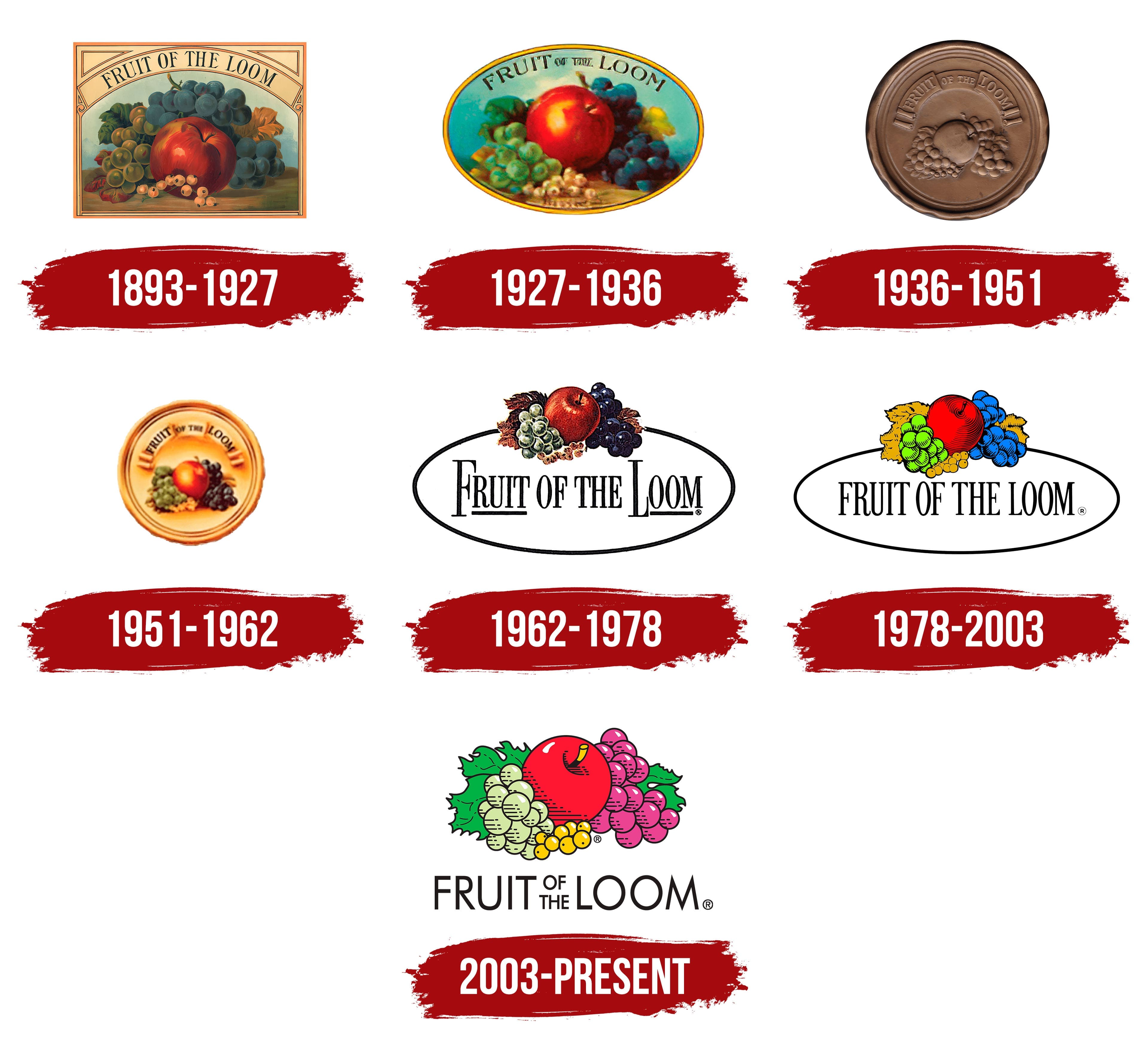
1893: The 1st logo debuted.
|
Not a cornucopia to be seen, but the yellow things are gooseberries.
(via Logos World) |
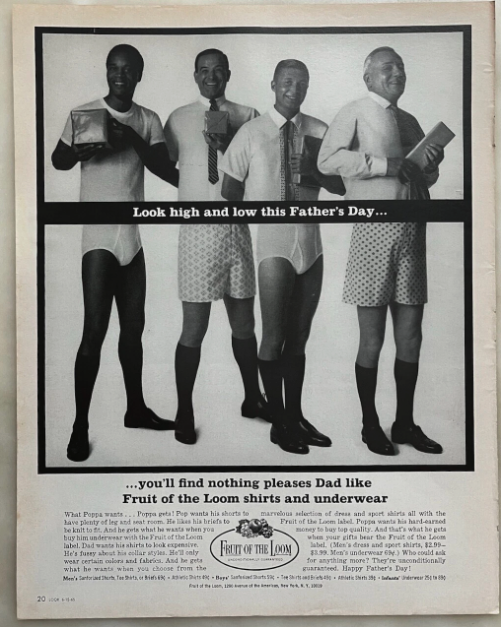
1928: Fruit of the Loom was one of the world’s largest bulk fabric manufacturers, but consumers were getting tired of making their own clothes. The solution: licensing the brand and logo to finished clothing companies. 1940: Union Underwear, a Fruit of the Loom licensee, invented the multi-pack boxer and changed the way we buy undies. It even became the official underwear of the U.S. Armed Forces. 1959: The brand’s 1st TV commercial aired. Later, TV sportscaster Howard Cosell was hired to play himself (fully clothed). Their positioning: Fruit of the Loom was a comfortable, durable, and affordable men’s underwear brand. But it hadn’t tapped the full underwear-buying or -wearing market. |
“Awww, kids! You shouldn’t have.” (via eBay) |
And over time, it wasn’t just underwear. To reach a larger audience, the brand needed a new strategy. Enter… |
In 1975, Fruit of the Loom made 4 brand characters out of its logo. It hired unknown actors to play them in TV commercials. Pre-Oscar winning actor F. Murray Abraham played the OG leaves. In the 80s, comedian David Alan Grier played the grapes.
The Fruit Guys were a BIG hit.
|
Eventually, with 98% brand recognition, Fruit of the Loom became a household name. And, unlike real fruit, these characters had staying power. They appeared in TV and print ads for 35 YEARS!
Underwear was the hero. But tees and other cotton basics were added to the mix.
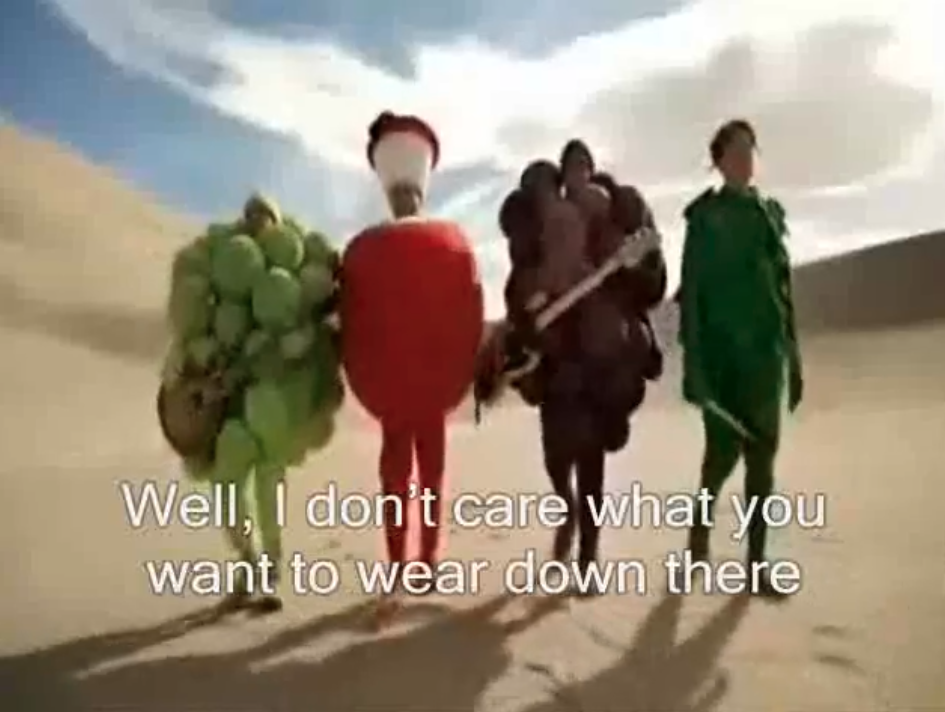
In the late ‘90s-early 2000s, the product-driven commercials evolved into music videos.
|
Honestly? Still slaps. (via YouTube) |
The Fruit Guys were fresher than ever, but something was rotten behind the scenes.
For years, Fruit of the Loom had withered on the vine.
|
|
|
The Fruit Guys were a silly reference to Fruit of the Loom’s logo. They turned unmentionables into funmentionables. 🥁 Here’s your homework inspired by their fruity success:
Complete a 30-Minute Brand Asset Inventory.
1️⃣. Jot down your brand’s 5 most recognizable assets (a logo element, tagline, mascot/character, product ritual, etc.). They can be contemporary or assets from the past.
2️⃣. Now, rank them by: (a) recognition, (b) distinctiveness, and (c) the ease of reintroducing them in modern channels.
3️⃣. Take the top asset and brainstorm 10 post ideas for TikTok, IG, YouTube, and/or LinkedIn that feel native to the platform, without changing the core asset.
Remember: If these ideas are something a competitor could pull off, they’re not “you” enough. |
|
|
All the brand equity in the world can’t save a mismanaged business. In 1999, Fruit of the Loom filed for bankruptcy with a whole fruit cocktail of problems: -
They had $1.3B in debt from a leveraged buyout.
- Quality control and production issues after moving manufacturing overseas.
-
Decreased sales and increased competition.
It was a real kick in the pants.
The company restructured. Several factories closed. Non-core businesses shuttered.
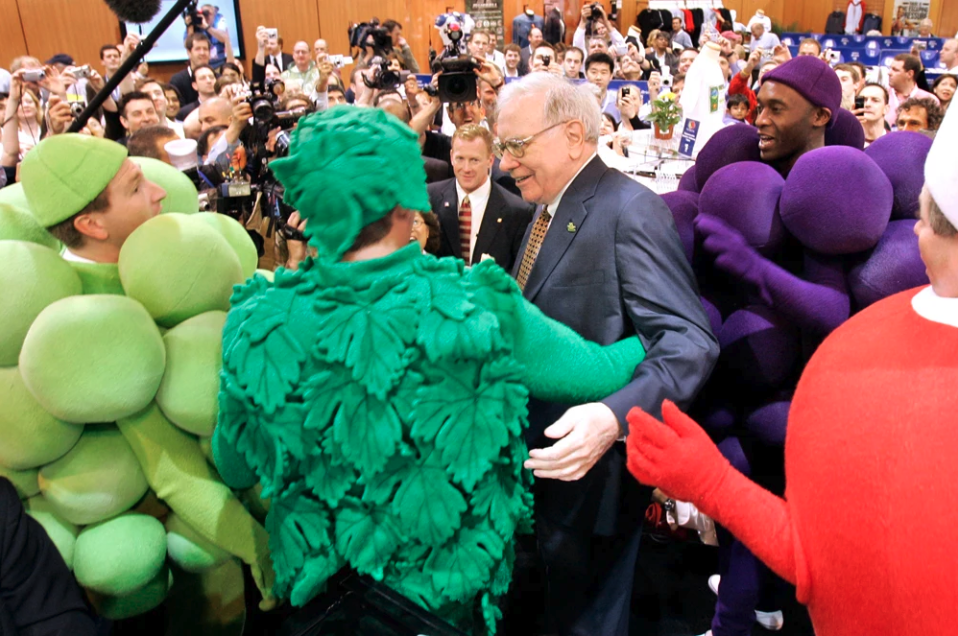
In 2002, Berkshire Hathaway acquired Fruit of the Loom for $835M.
|
The Fruit Guys and the new top banana, Warren Buffett. (via NBC News) |
In 2006, Fruit of the Loom, Inc. expanded into sports apparel and gear by acquiring Russell Athletic and Spalding.
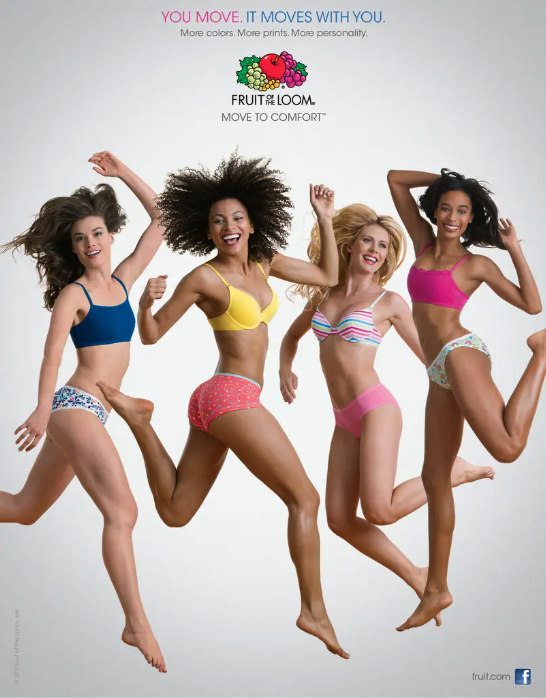
A year later, it doubled down on women’s intimates by acquiring Vanity Fair Lingerie. Then, in 2011…The Fruit Guys were quietly phased out. Fruit of the Loom wanted to rebrand from traditional basics to active lifestyle apparel. They didn’t think the old bunch was a fit for their new theme. Its “Move to Comfort” ads: 👫: Targeted Millennial men and women 🩳: Highlighted underwear and apparel 💦: Promoted comfort-enhancing features over price |
Things were turning around. The brand was profitable.
Sustainability was a new focus.
But for more than a DECADE, 1 topic kept coming up in focus groups: the Fruit Guys.
|
Brand mascots and characters compound over time. Even when brands stop using them.
They’re stickier and more “ownable” than a tagline, logo, or other brand assets.
The Fruit Guys were a memory shortcut for Gen Xers, Millennials, and even elder members of Gen Z.
But Fruit of the Loom wasn’t going to just copy & paste their original idea and hope it went viral. Instead, they played the long game and built systems to make the refresh matter.
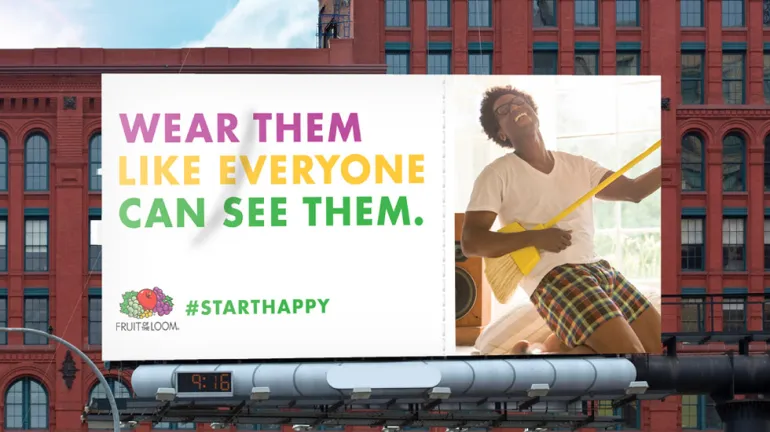
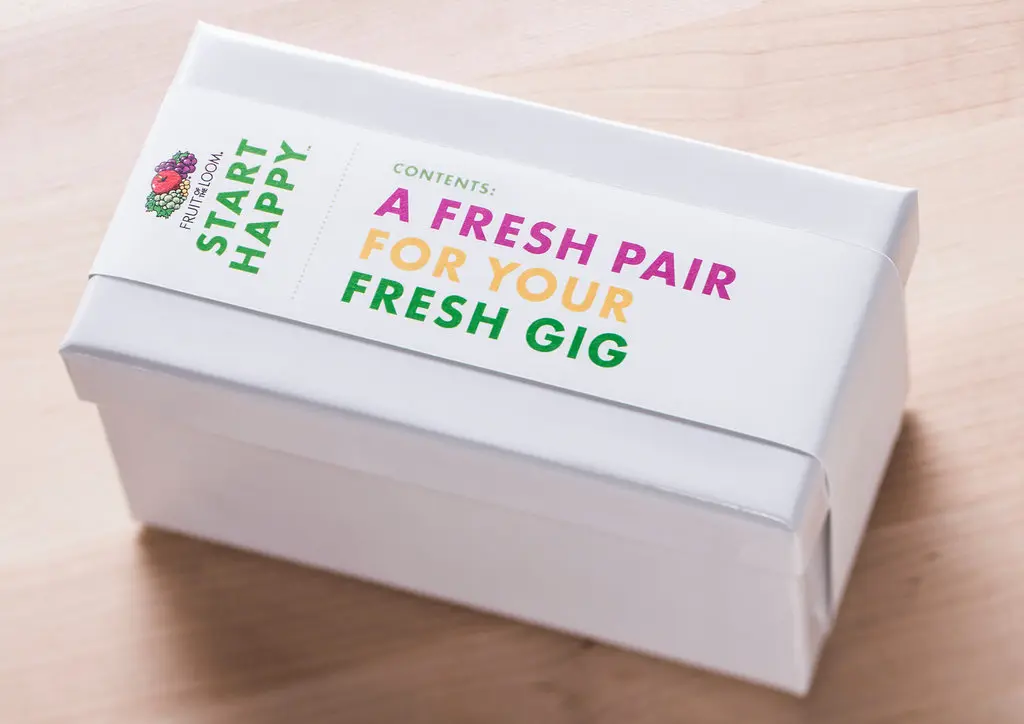
In the early 2010s, they had #starthappy to set the vibes. |
As part of the campaign, they sent messages to 25,000 people on LinkedIn who had recently gotten new jobs offering them a free pair of Fruit of the Loom. |
Imagine DMing about underwear on LinkedIn. Actually, please don’t. (via NYT) |
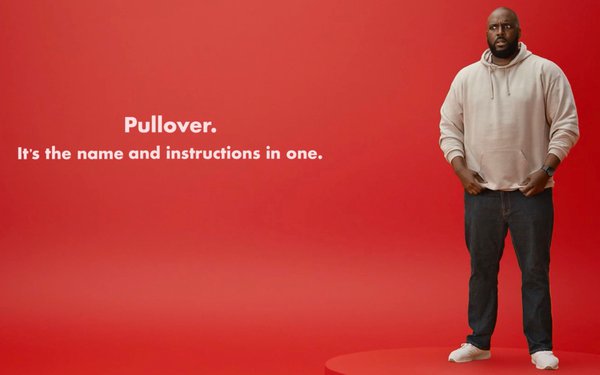
Then in 2022, they launched Fruitisms, a humorous multichannel campaign featuring a range of clothing. |
Fruit of the Loom had a new attitude, and brand awareness. There were early signs of success: Social accounts saw a 77% YoY increase. But they still weren’t featuring the mascots in advertising.
So, almost 50 years later, they decided it was time to refresh everyone’s memory with a reinvention of The Fruit Guys.
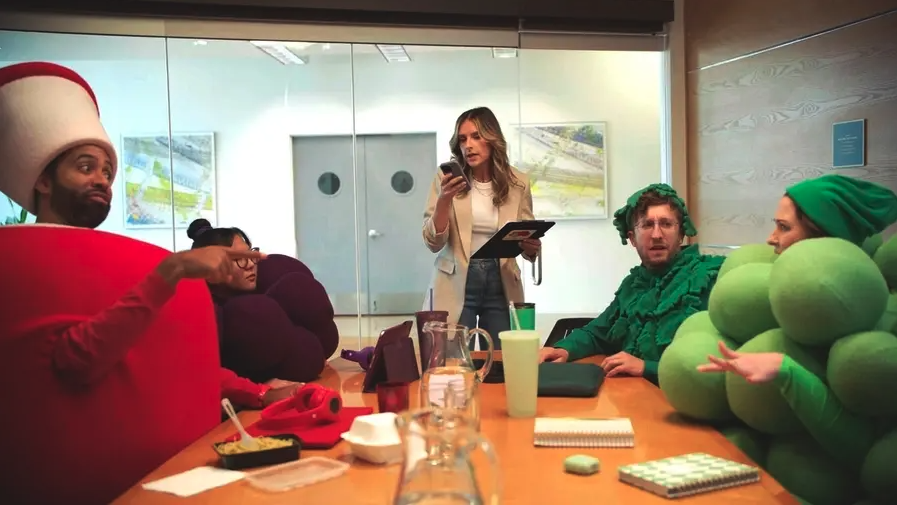
Now, they were the Fruit People, stars of a meta workplace comedy.
It was exclusively on TikTok and Instagram Reels, and tapped into a proven organic format for those channels. Plus, they worked whether or not you knew about the OG Fruit Guys.
In the 1st video, the fruits brainstormed their 1st TikTok.
|
In another, they tried (and failed) to go viral with a choreographed dance, ASMR, and an unboxing.
The Fruit People brought main character energy without being too corny, or taking over the entire Marketing plan.
They made sense WITHIN a diverse ecosystem of influencer content, collabs, and product messaging for consumers of various ages.
And they engaged younger audiences in their native habitat. By July 2024, Fruit People videos had 37M views, and social followers had grown 86%.
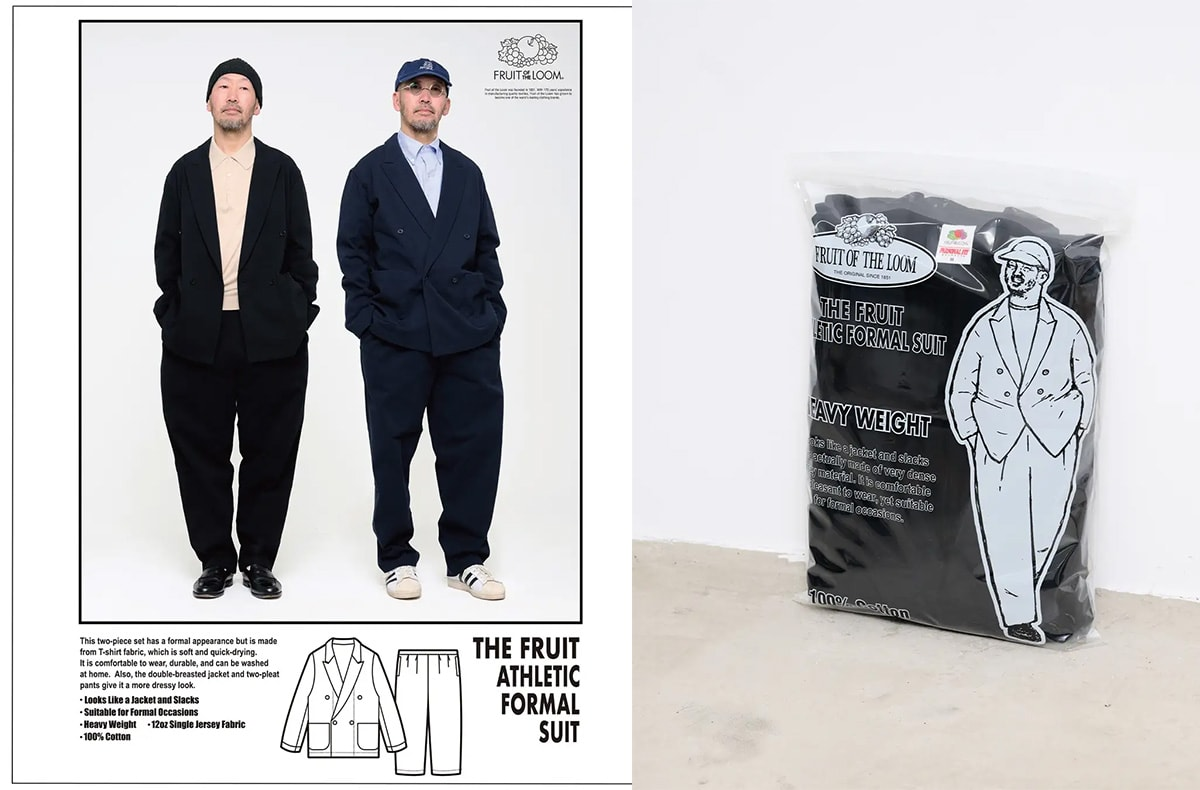
Recently, a Morning Consult study found they were 2025’s 2nd fastest-growing brand in the country. More recently, I even saw them all over social because everyone wanted the T-shirt “suit in a bag” they dropped in Japan. |
Did I…just become a suit guy? (via Hypebeast) |
It’s not easy for a 175-year-old brand to speak to multiple generations at once and keep growing.
But after their Marketing renaissance… Fruit of the Loom seems ripe for the challenge. |
|
|
MARKETING CHEAT SHEET (WHAT TO LEARN FROM THIS STORY): |
1️⃣. Brand assets compound over time. Consumers asked about Fruit of the Loom’s characters for over a decade after they were retired. Because a character is more memorable than a product or cotton blend. 2️⃣. Don’t repeat, REFRESH.
A lot had changed since the Fruit Guys’ glory days: a more diverse audience, more products, new platforms... So the character comeback skipped the old Marketing channels (print and TV) and story arc to live entirely on social as a meta workplace comedy.
3️⃣. Think of successful marketing as a crop cycle.
Fruit of the Loom cultivated brand awareness with Start Happy and Fruitisms before harvesting nostalgia and (re)introducing the Fruit People. Now the characters are just 1 crop in a rotational Marketing strategy. |
|
|
Ahh, the bell has rung. Please be sure to do the reading (follow The Marketing Millennials on LinkedIn and me, Professor Millennial, on X). Off you go, passing period is only 11 minutes and there’s already a line at the vending machine that sells Welch’s Fruit Snacks.
Until next time,
Professor Millennial |
|
|
{if !profile.vars.marketingland_user_fitness && profile.vars.marketingland_user_fitness != false}Join 7,390 other marketing leaders in Marketingland |
|
|
{/if}{if profile.vars.marketingland_user_fitness == true}{/if}Get your brand in front of 126,000+ marketing leaders. |
Workweek Media Inc.
1023 Springdale Road, STE 9E
Austin, TX 78721
Want to ruin my day? Unsubscribe. |
|
|
|