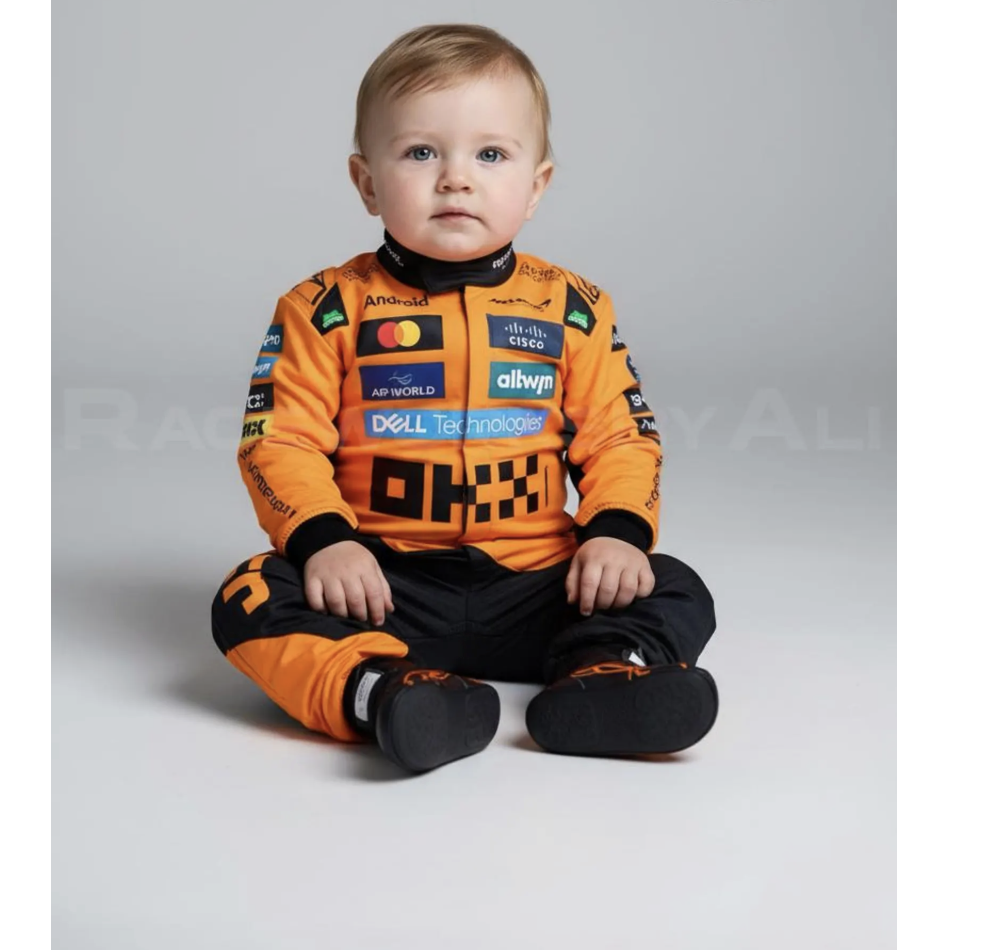
Hi Marketing Bestie, It's time. Should I get this for F1 2026 season for my son? Let me know. | Was this email forwarded to you? |
|
|
5 WAYS TO BUILD BRANDS THAT ACTUALLY MOVE THE BUSINESS |
Meiling was the founding Head of Marketing at Waymo. Her job: Convince people to get into cars with no drivers. 13 years ago, self-driving cars were science fiction. Today, a lot of people can't imagine going back to human drivers.
Then she went to Care.com and led a complete rebrand. New name (brought back the .com). New identity. New product experience. New tagline: "When It's Not You, It's Care.com."
Result: Brand awareness and consideration up double-digit percentage points year over year.
Here's what she learned building brands from scratch and bringing them back from the dead.
|
1️⃣. Challenge The Status Quo BEFORE Selling Your Solution. |
Meiling's Take: "A lot of marketers think purely about just talking about your solution and your product... But I actually think part of the reason why we were so effective is because we brought it back even earlier into helping people understand the problem and why the status quo today... actually isn't that great of an idea."
When Waymo started, people thought self-driving cars were crazy. So Meiling didn't lead with "our car has 360-degree cameras and lidar."
She led with a problem: 1.4 million people die every year in traffic accidents. 43,000 in the US alone. That's a 737 falling out of the sky EVERY DAY.
Humans aren't meant to drive 2-ton metal boxes at 70mph while distracted.
The status quo we all accept as "normal" is actually insane.
THEN she introduced the solution. A car that sees 360 degrees. Never drinks. Never texts. Learns from every mile it drives across every street.
The message clicked because she reframed the problem first.
You're not competing on features. You're competing on who owns the conversation about the PROBLEM.
Takeaway: Before you pitch your product, write down: What's the status quo your customers accept as normal? Why is that actually broken? Then lead with THAT. Not your solution. Frame the problem so clearly that your solution becomes obvious. Use this formula: "[Big stat about the problem]. The way we've always done [thing] doesn't make sense. Here's why..." THEN introduce your product.
|
2️⃣. Define Your Brand's Soul Before You Pick A Name Or Logo. |
Meiling's Take: "A lot of people think about branding just as your name and you've got a new logo. But I think to do a really good job at branding... it has to go much deeper. It has to start with... the soul of the company. Why do you exist? What are you trying to impact? What is your voice? What is your tone?"
At Waymo, Meiling didn't start with logo options. She started with brand principles: Bold. Undaunted. But also thoughtful, inclusive, and human.
At Care.com: Warm. Protective. Trustworthy. An emotional ally.
These principles became the bar for every decision. Does this logo feel warm? Does this tagline feel like an emotional ally? Does this product feature feel protective?
Without principles, you're just picking pretty colors. With principles, every choice has a reason.
Here's the process Meiling uses:
1. Talk to leaders. Ask: Why do we exist? What's our vision? What problems are we solving?
2. Define 3-5 brand principles. How do you want to show up? (Friendly vs premium? Bold vs safe? Human vs technical?)
3. THEN engage creative partners to explore names, logos, colors.
4. Evaluate every option against your principles. Does this feel like what we said we want to be?
This takes months. Waymo spent months on their identity. Then 6 weeks before launch, the founders said "rethink the name and logo." They had to redo it in 6 weeks while staying true to the principles.
That's the power of principles. They're your North Star when everything changes.
Takeaway: Before your next rebrand (or if you're building from scratch), write down 3-5 brand principles. Ask your team: If our brand were a person, how would they dress? How would they talk? What would they care about? Get specific. "Professional" isn't a principle. "Warm but protective like a trusted advisor" is. Use these principles to evaluate every creative decision. If an option doesn't match your principles, cut it.
|
3️⃣. Build Behavioral Triggers Into Your Messaging. |
Meiling's Take: "We landed on the line... 'When It's Not You, It's Care.com.' I like to think of it as a bit of a behavioral hack built into a tagline where we're building this kind of trigger and association of when you can't be there, think of us."
Care.com's old tagline was forgettable. Their new one: "When It's Not You, It's Care.com."
It's a behavioral trigger. When you can't be there for your kid, think Care.com. When your aging parent needs help, think Care.com.
Like "Have a break, have a Kit Kat." The trigger is built into the tagline.
This works because it meets people in the MOMENT they need you. Not when they're scrolling. Not when they're researching. In the exact moment of need.
Other examples:
- Snickers: "You're Not You When You're Hungry" (trigger: feeling hangry)
- Uber: "Your day belongs to you" (trigger: needing to get somewhere)
- Slack: "Where work happens" (trigger: need to communicate with team)
The best taglines aren't clever. They're USEFUL. They tell you exactly when to think of the brand.
Meiling also made sure the tagline felt authentic. "When It's Not You" acknowledges that parents WANT to be there. They're the first choice. But when they can't, Care.com is there.
That emotional authenticity makes it stick.
Takeaway: Audit your tagline. Does it tell people WHEN to think of you? If not, rewrite it using this formula: "When [trigger moment], [your brand]." Example: "When it's 2am and your site is down, [your monitoring tool]." Or "When you need [outcome], [your solution]." Test it by asking: Would someone actually think of us in that moment? If not, the trigger isn't clear enough.
|
4️⃣. Your Brand Isn't Just Your Logo. It's Your Product Experience. |
Meiling's Take: "Your brand isn't just your logo, your name, your advertising. It's the experience people have when they come in. So we refreshed, we redesigned the entire experience to feel more like the new Care.com, more trustworthy, more like an ally, less transactional."
Care.com launched a new logo and tagline. But that's not why the rebrand worked.
They redesigned the ENTIRE product experience.
They built a "hiring hub" so parents could track every conversation with potential caregivers in one place. No more scrambling through messages wondering "wait, which person was this?"
They launched a "senior care advisor" service. A master's-level social worker who helps you for 90 days. Because finding senior care is overwhelming when you don't even know what options exist.
These weren't marketing features. They were PRODUCT features designed to deliver on the brand promise of "we're your ally."
At Waymo, they created a 360° VR video so people could experience a ride without actually getting in the car. They showed what the lidar sees. What the cameras see. How the car processes everything.
It wasn't a marketing stunt. It was product education that built trust.
Your brand is every touchpoint. If your tagline says "simple" but your product is confusing, you don't have a brand. You have a lie.
Takeaway: List every place customers interact with you. Website. Product. Support. Emails. Are they ALL delivering on your brand promise? If your brand is "fast," is your product actually fast? If your brand is "helpful," is your support actually helpful? Work with your product team to build features that reinforce your brand. Don't just slap a new logo on the same broken experience.
|
5️⃣. You're Not A Marketer. You're A Business Person Who Does Marketing. |
Meiling's Take: "You can't just be a marketing person. You have to be a business person... I couldn't just say, 'we wanna build a brand that is emotional, that resonates.' I had to connect the dots and say, 'I wanna do that, because that's what makes your brand distinct and memorable. When you have a strong brand, it drives up your sales baseline... it can make your customer acquisition cost lower.'"
For 10 years, Meiling didn't report to another marketer. She reported to GMs, CEOs, COOs.
She had to learn their language.
She couldn't say "we need to build brand awareness." She had to say "building brand awareness will lower our CAC by 30% and drive up our baseline sales so we're less dependent on paid."
She couldn't say "this campaign will resonate emotionally." She had to say "emotional resonance makes us distinct, which increases brand recall, which means people think of us organically instead of going to Google."
She learned to ask herself "so what?" 3 times:
- "We should launch this campaign." So what?
- "It will build trust." So what?
- "Without trust, we can't operate and scale." There it is.
That's the business case.
This doesn't mean you stop caring about customers. It means you learn to fight for them in business language.
When you can connect marketing to revenue, CAC, retention, and growth, you get budget. You get buy-in. You get to actually DO the work that helps customers.
Takeaway: Before your next pitch to leadership, ask "so what?" three times. Don't stop at "it's good for the brand." Connect it to: Will this lower CAC? Increase conversion? Improve retention? Drive baseline sales? Reduce churn? Write your pitch in business metrics, not marketing jargon. Practice explaining your work to someone in finance. If they don't get it, rewrite it until they do.
|
|
|
I'm looking for new shows to watch. Reply and send me some recs. Your friend, Daniel |
|
|
{if !profile.vars.marketingland_user_fitness && profile.vars.marketingland_user_fitness != false}Join 7,394 other marketing leaders in Marketingland
|
|
|
{/if}{if profile.vars.marketingland_user_fitness == true}{/if}Get your brand in front of 124,432 marketing leaders. |
Workweek Media Inc.
1023 Springdale Road, STE 9E
Austin, TX 78721
Want to ruin my day? Unsubscribe. |
|
|
|