{if profile.vars.marketingland_user_fitness == true && (time("now") > profile.vars.user_fitness_reviewed_time + 7200) && (time("now") < profile.vars.user_fitness_reviewed_time + 1209600) && (!profile.vars.onboarding_complete_time)}{/if}
Hey Marketing Bestie, Us marketers sure can learn a lot from our Marketing fore-fathers and fore-mothers.
The greatest marketing campaigns in history deserve to be etched in HTML stone.
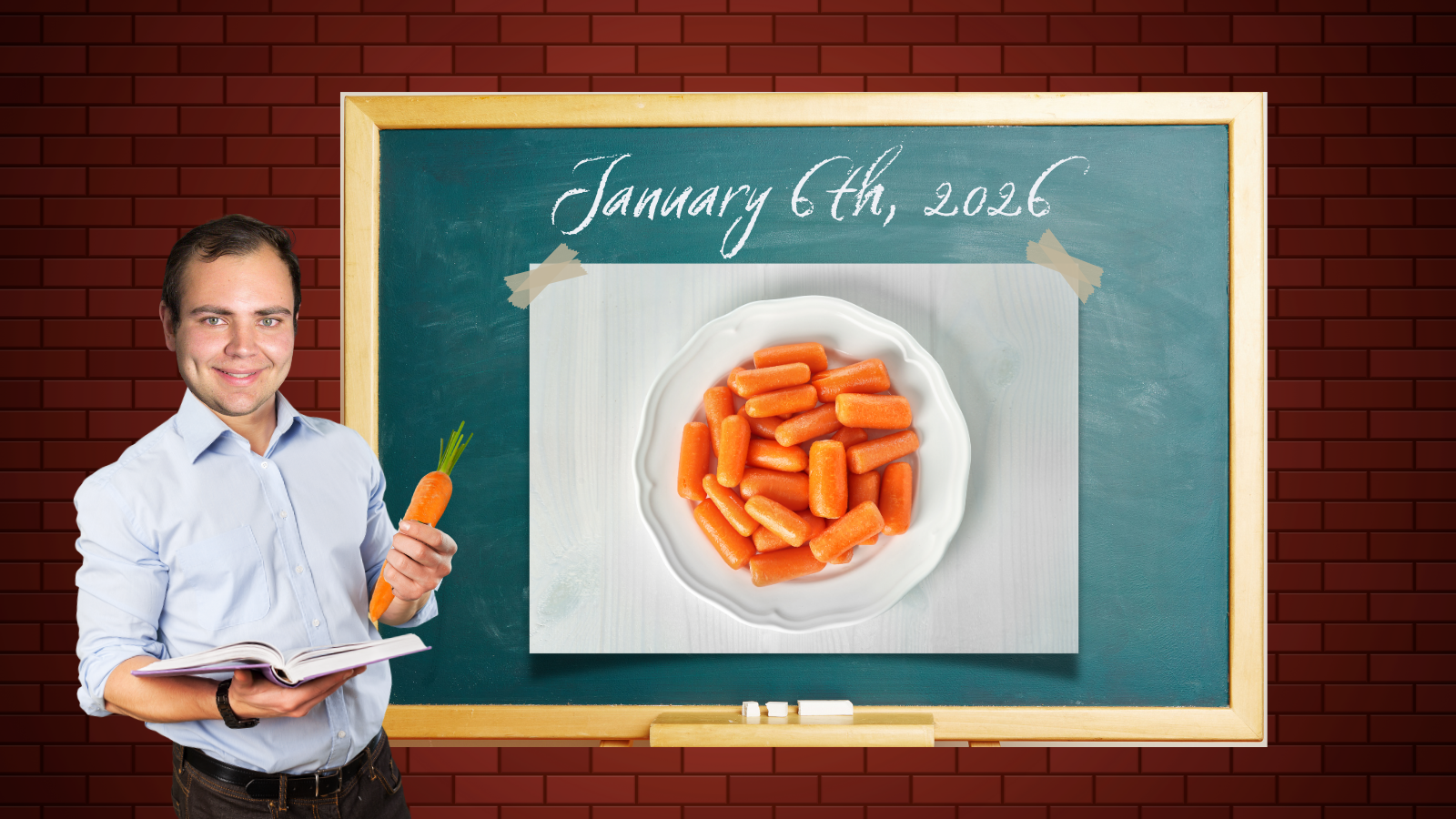
Welcome to Marketing Classics 411, a new kind of ancient history. In place of hieroglyphs, expect to decipher the campaigns of yesteryear. Professor Millennial teaches every Tuesday (remotely), via electronic mail.
Class is now in session. | Was this email forwarded to you? |
|
|
You don’t always need a new product to create demand.
You DO need a new habit.
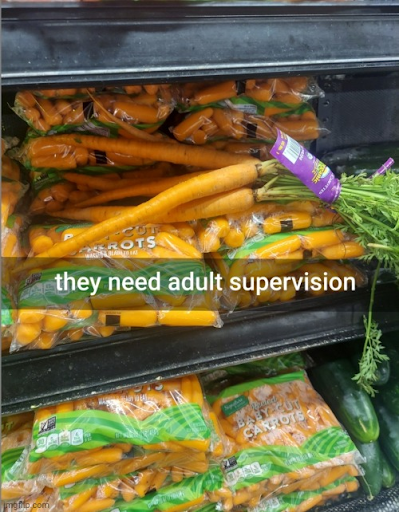
Ever wondered how carrots stopped living in the vegetable drawer and started showing up in lunchboxes next to string cheese and Goldfish? It didn’t happen because they started tasting different. It happened because a group of carrot farmers decided to borrow the same playbook used by Doritos, Cheetos, and candy bars. This is the story of how baby carrots stopped behaving like produce…and started acting like a brand. |
Before the makeover, carrots weren’t “easy.” You bought them loose, you peeled them, you probably cooked them.
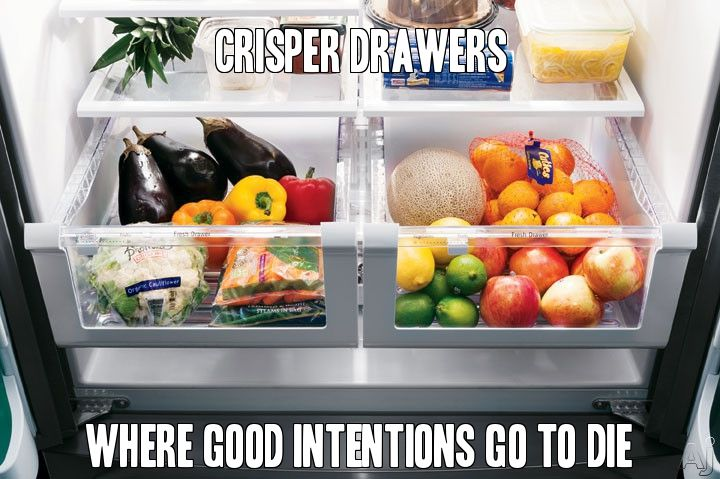
They lived in the crisper drawer. Also known as the place people visit LAST when they’re hungry (seriously, researchers studied it). Once it went in there, it didn’t come out. Despite Bugs Bunny’s best efforts, people didn’t reach for them when they wanted a snack.
It wasn’t an awareness problem. It was a behavior problem.
|
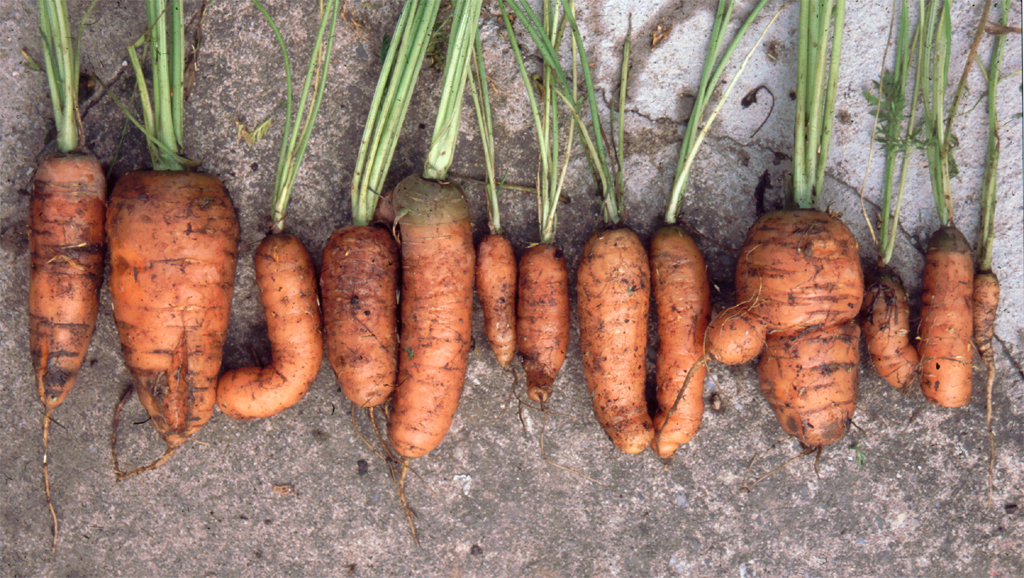
This brings us to the 1st carrot Marketing trick of this tale: making ugly carrots disappear. Because, before baby carrots became a snack, they were a salvage operation.
Grocery stores & shoppers demanded picture-perfect produce. Anything bent, stubby, or misshapen? It wouldn’t sell. Weird-looking carrots just ended up in the trash. 1 farmer had an idea to change things. |
It’s the inside that counts, right? |
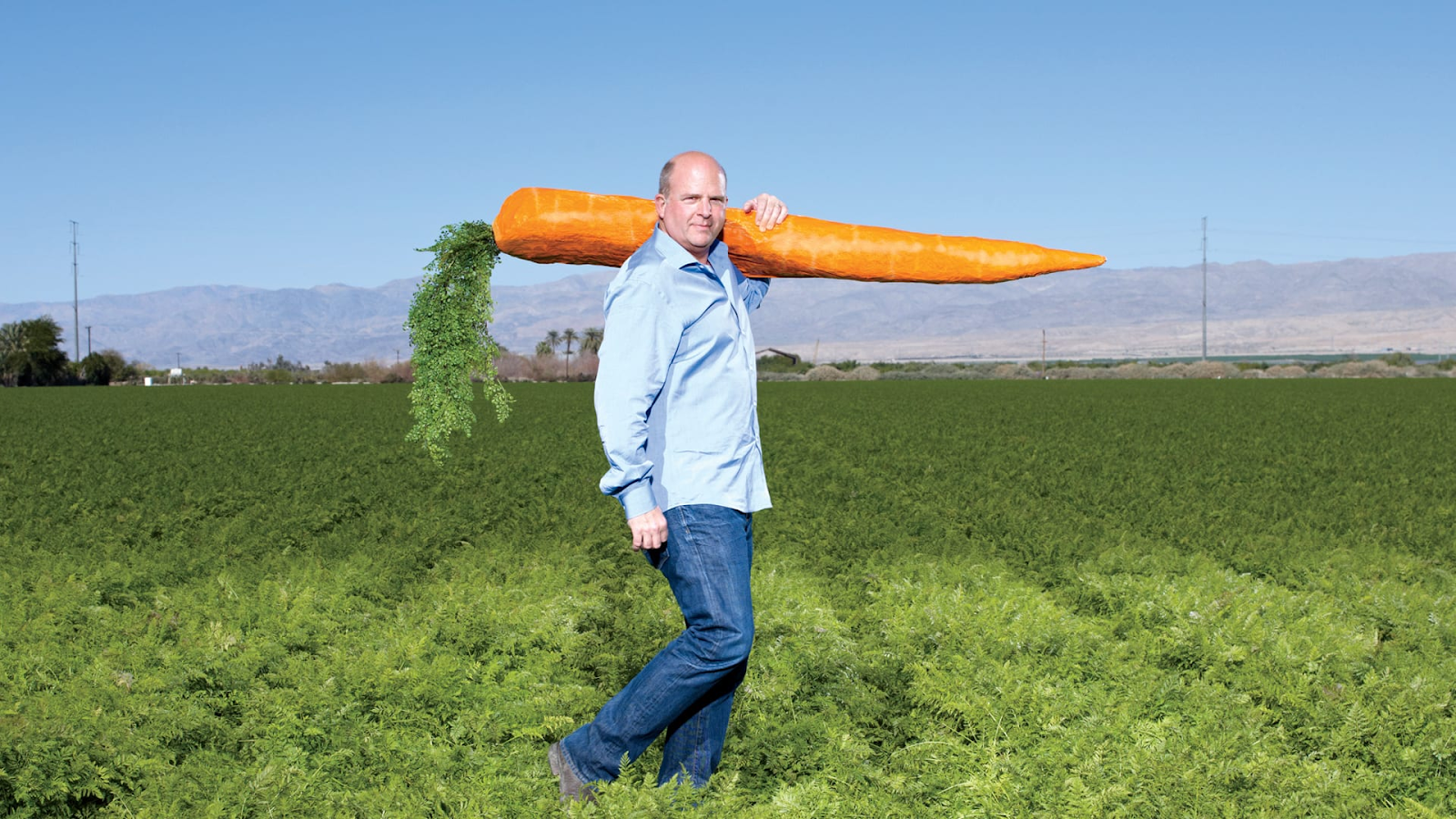
California farmer Mike Yurosek didn’t try to convince shoppers to love ugly produce. He worked around their bias.
In 1986, he took the wacky, un-sellable carrots and ran them through industrial peelers and cutters, reshaping them into small, smooth, identical pieces.
Same carrot. New form. Different perception. His first batch, peeled round and named “bunny balls,” didn’t take off.
The next batch, peeled and cut 2 inches long? It was a hit. Baby carrots were officially born.
|
The name “baby carrots” did a lot of the work. It suggested ~delicacy~ instead of processing. The pre-peeled, uniform shape made them more appealing.
And the bagged format reframed them as snack-ready, instead of something you had to prep. In 1 fell swoop, baby carrots got rid of the effort barrier, AND gave ugly “waste carrots” a new life. The taste didn’t change.
The packaging, uniformity, and convenience did. Americans almost instantly started eating more carrots.
By the 1990s, baby carrots were already MOST of carrot sales in the U.S. Carrot consumption DOUBLED in 10 years. Millennial kids had them in their lunchboxes nestled between the Capri Sun and the Lunchable.
This success set the stage for something louder. |
By the late 2000s, the carrot party had slowed down. Sales started falling. People said they wanted to eat healthier.
Their grocery carts disagreed.
1 person in the industry decided to use a different playbook. |
“If Coca-Cola could persuade people to drink more than a billion servings of its soda each day, why couldn’t we do the same for a vegetable? Junk food companies were experts in demand creation; we just had to use some of their tactics.” — Jeff Dunn (source) |
Jeff Dunn, the CEO of Bolthouse Farms, was not a lifelong produce guy. He was a former Coca-Cola executive.
He saw carrots as a Marketing problem. He’d also seen the success almonds, avocados, and milk had gotten from their own marketing campaigns.
And with his background, he knew how junk food won the aisle wars: accessibility, availability, affordability, and FUN.
So in 2010, after a hunt for the right fit, Dunn and competing carrot growers pooled roughly $25M and hired Crispin Porter + Bogusky, the agency famous for loud, culture-grabbing junk-food campaigns.
They didn’t want to pitch baby carrots as an “antidote” to junk food. They wanted to BECOME junk food. Marketed the same way. The strategy wasn’t subtle, and it wasn’t supposed to be. |
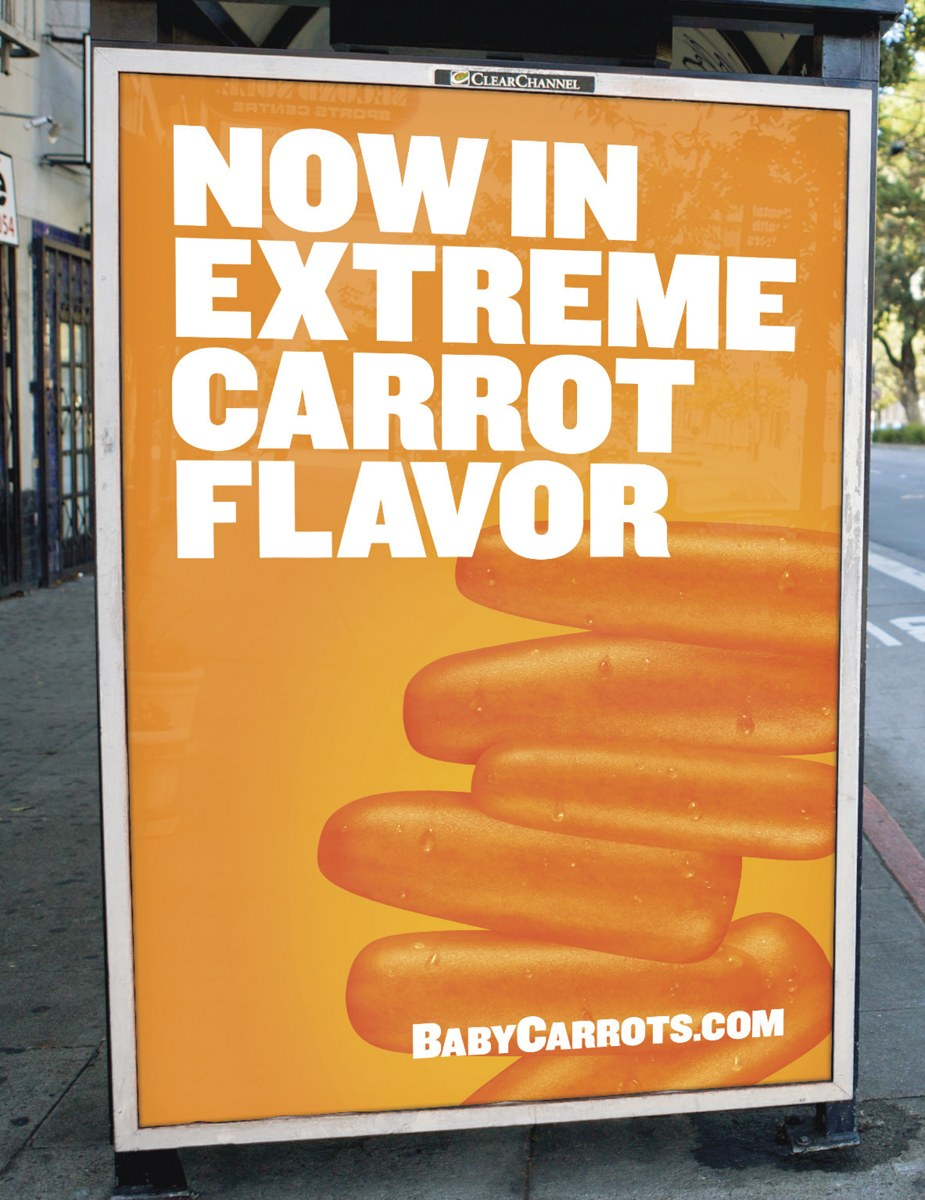
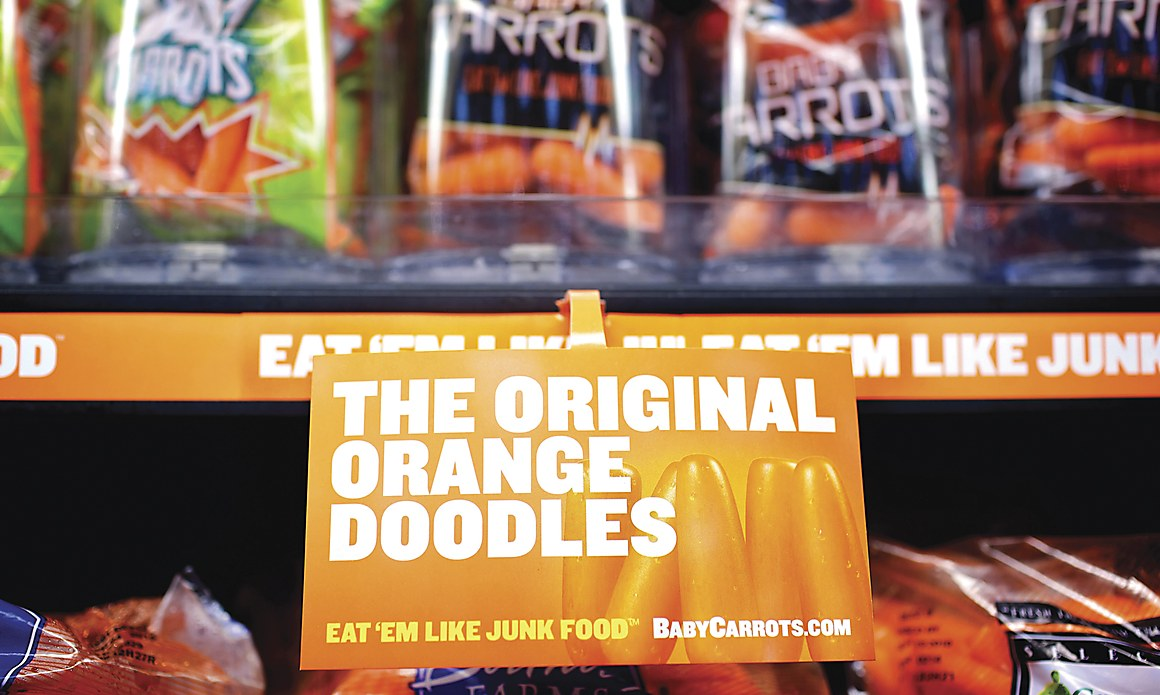
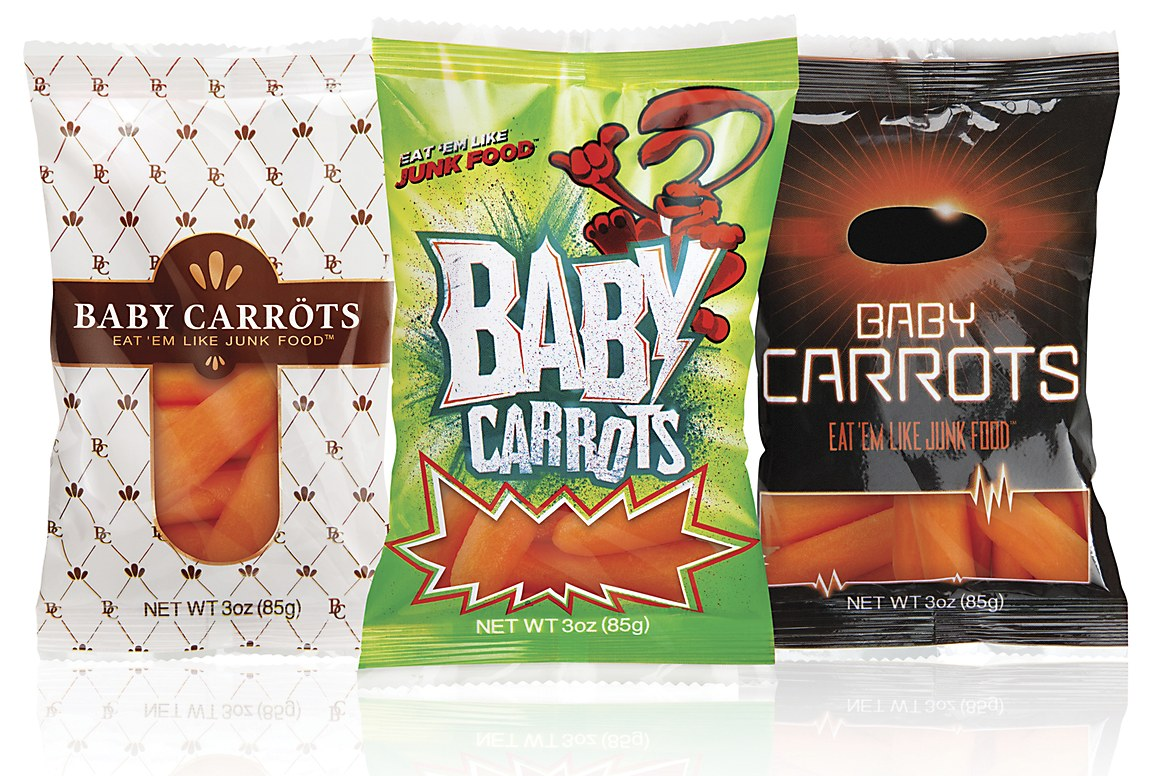
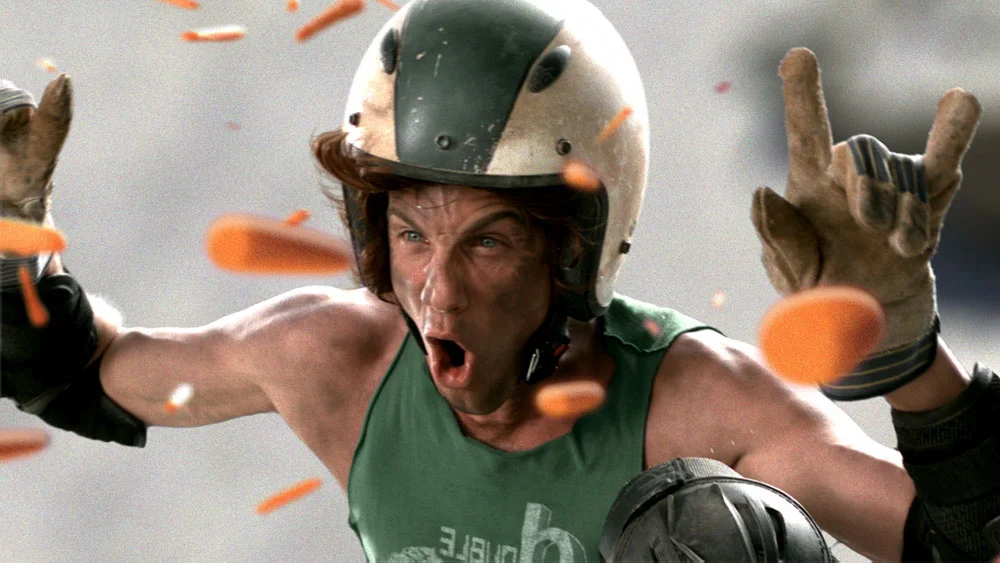
They played into junk food humor, with surprising packaging like foil snack bags, “extreme” ads that made carrots feel rebellious instead of responsible. Even carrot vending machines in schools. |
|
|
Your homework: the Snackification Audit.
Pick 1 product in your world that people SAY they want, but don’t crave or reach for automatically. Then determine: -
When do people ACTUALLY want this? Not the moment you wish they wanted it or when they SAY they do…the real one.
- What are they usually “snacking on” instead in that moment?
-
What can you steal from that snack’s playbook?
- What would change if your product “dressed” for that moment?
Are you changing packaging? The tone? The ritual? Try to ship a tiny test this month. Not a full rebrand or roadmap shift. A scrappy little side quest to show up where habits already live, and make yourself fit in there. Just like carrots. |
|
|
In their early test markets, baby carrot sales jumped by double digits after launch. The campaign won Effies and became a favorite Marketing class case study. But the real win was the culture bump: carrots earned permission to keep acting like a snack.
That showed up in follow-on ideas like Baby Carrot ShakeDowns, complete with seasoning packets you pinch and shake, borrowing straight from chip dust logic.
They did a snack pack tie-in with the animated movie Hop.
They pitched fun, instead of health. And they created demand in the process.
|
MARKETING TURNED VIRTUE INTO VICE, AND PRODUCE INTO AN ASSET. |
In 2012, Campbell Soup Company decided Bolthouse Farms was looking like a snack. A $1.5B snack. Largely because of its booming carrot business. Other categories have stolen the same playbook in the last decade.
Look at how dairy products are leaning into being “protein drinks,” or how cauliflower has become pizza crust, rice, basically everything but cauliflower.
It all underlines the lesson: carrots are a commodity, but they can also become a behavior, just like any other product.
Now, I just need some ranch hummus.
|
|
|
MARKETING CHEAT SHEET (WHAT TO LEARN FROM THIS STORY): |
1️⃣. Behavior beats benefits. Carrots won by showing up where snacks live, not by explaining vitamin and health virtues.
2️⃣. Packaging is positioning. Chip-style bags did the convincing. Vending machines changed context. Snackability ensued.
3️⃣. Steal psychology, not products. Junk food taught carrots how to sell carrots.
4️⃣. Habits need upkeep. Seasoning, formats, and novelty kept things moving.
|
|
|
Ahh, the bell has rung. Please be sure to do the reading (follow The Marketing Millennials on LinkedIn and me, Professor Millennial, on Twitter).
Off you go, passing period is only 11 minutes and there’s already a line at the vending machine that sells snack packs of everyone’s favorite veggie.
Until next time, Professor Millennial. |
|
|
{if !profile.vars.marketingland_user_fitness && profile.vars.marketingland_user_fitness != false}Join 7,390 other marketing leaders in Marketingland |
|
|
{/if}{if profile.vars.marketingland_user_fitness == true}{/if}Get your brand in front of 118,200+ marketing leaders. |
Workweek Media Inc.
1023 Springdale Road, STE 9E
Austin, TX 78721
Want to ruin my day? Unsubscribe. |
|
|
|