{if profile.vars.marketingland_user_fitness == true && (time("now") > profile.vars.user_fitness_reviewed_time + 7200) && (time("now") < profile.vars.user_fitness_reviewed_time + 1209600) && (!profile.vars.onboarding_complete_time)}{/if}
Hey Marketing Bestie,
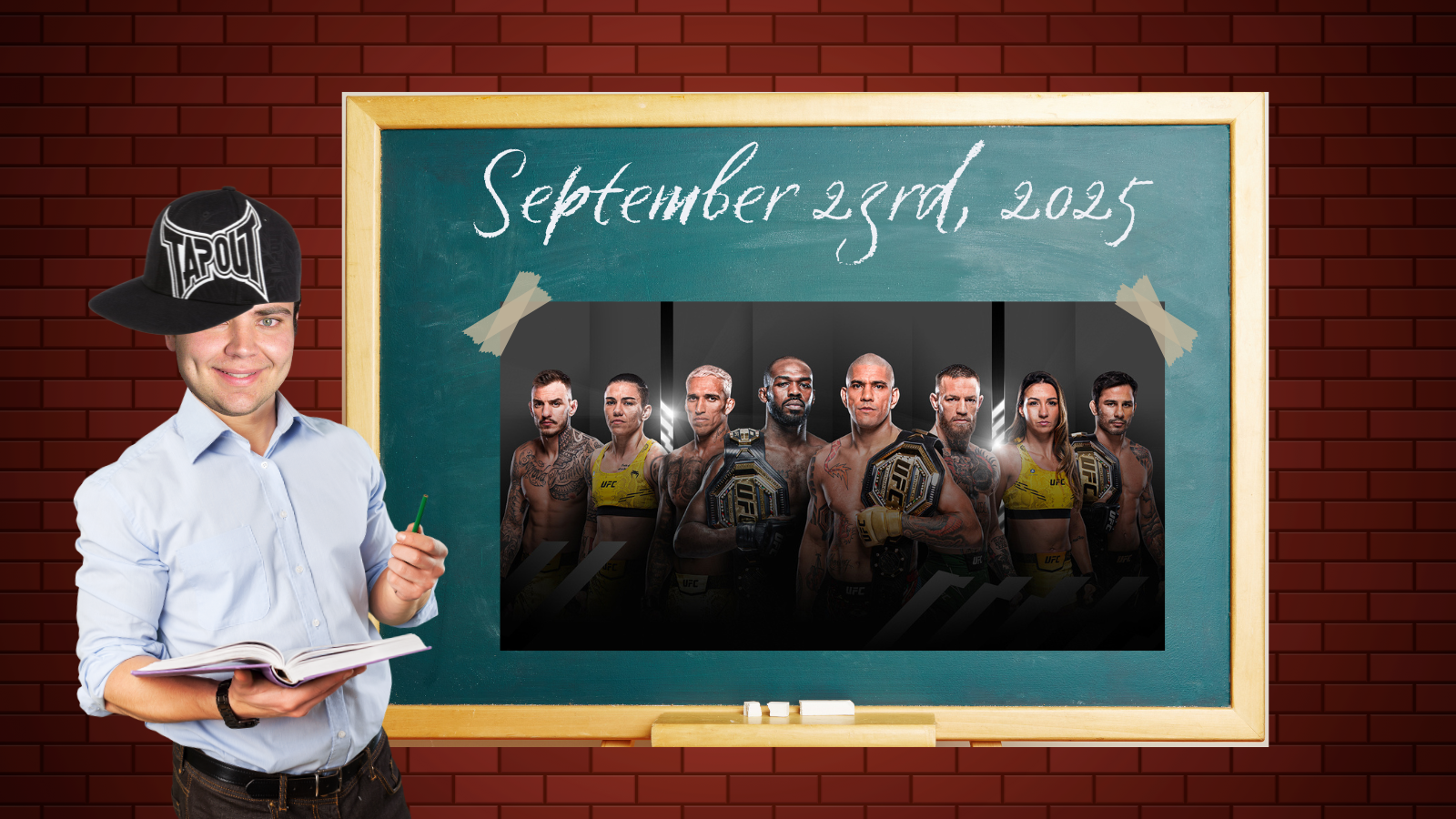
Welcome to Marketing Classics 411, a new kind of ancient history. In place of hieroglyphs, expect to decipher the campaigns of yesteryear. Professor Millennial teaches every Tuesday (remotely), via electronic mail. Class is now in session. | Was this email forwarded to you? |
|
|
How UFC Went From Being Banned Across the Country to Becoming a Global Sports Empire |
Since Ancient Rome, humans have been captivated by the spectacle of a good fight. Blood, grit, and glory, it taps something primal in all of us. But for most of the 20th century, fighting was fragmented. Boxing ruled pay-per-view. Wrestling ruled cable. And anything more raw or real was buried underground.
Until the UFC burst onto the scene in 1993 with a wild premise.
No weight classes. Bare-knuckle brawls. Fewer rules than a street fight.
It was brutal, chaotic, and impossible to ignore.
But it wasn’t an overnight success. In fact, there were tons of bumps along the way.
This is.. The UFC. |
The year is 1997 and the money is drying up.
Art Davie, Bob Meyrowitz, and Rorion Gracie are running on fumes.
Four years earlier, they’d launched a radical experiment: the Ultimate Fighting Championship. It wasn’t designed to be a long-term business but rather a one-time spectacle.
A pay-per-view stunt to settle barroom debates: Which fighting style is the best? Was it boxing? Wrestling? Karate? Jiu-jitsu? They rented a cage, invited fighters from across the world, and let them go at it with almost no rules.
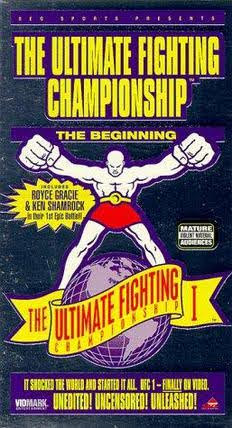
UFC 1 felt like a VHS tape you weren’t supposed to watch. |
This cover is giving “your friend’s super cool older brother’s room” (via Wikipedia) |
And that’s exactly why it worked.
Viewers were hooked. Not by the blood, but by the spectacle.
It was unlike anything they’d ever seen.
Take for instance Royce Garcia, a skinny Brazilian weighing less than 180 pounds, who dismantled everyone with a fighting style most Americans had never seen.
But not even the greatest fighter in the world can save themselves from bad Marketing. UFC 1 had only managed to pack half a small arena, and while the VHS sales weren’t bad, they were nothing to shake a stick at.
The event had shock value but no REAL staying power.
Plus the UFC didn’t just catch the eye of fight fans. It also caught the attention of Capitol Hill.
Enter Senator John McCain, who watched a few minutes of an early event and immediately went to war.
He called it “human cockfighting,” led a letter-writing campaign to get it banned, pressured state athletic commissions, and lobbied cable companies to pull UFC off the air.
Which they did. By the late ’90s, UFC was banned in 36 states, blacklisted from most major cable providers, and hemorrhaging money. The fights were better than ever. But the business was on life support.
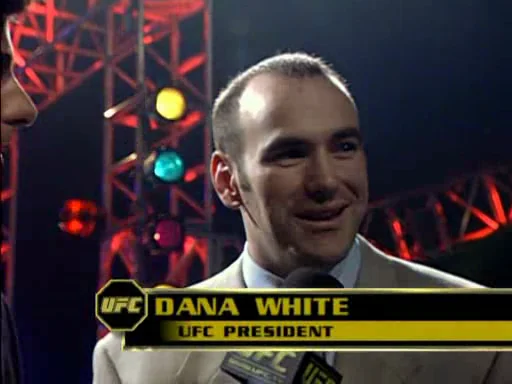
That’s when two casino moguls from Vegas, Lorenzo and Frank Fertitta, decided to take a $2 million gamble on a dying brand. And they brought in a loudmouth boxing manager named Dana White to run the show. Yes, THAT Dana White. |
Ok, I’m NGL. He kinda looks like me. (via Reddit)
|
They weren’t buying a business.
They were buying a mess. The UFC had no TV deal, no star power, and no clear path to legitimacy. So how do you turn this around?
First you have to MAKE IT LEGAL.
If they couldn’t get sanctioned by athletic commissions, there was no path forward.
Venues wouldn’t book them, sponsors wouldn’t back them, and seats wouldn’t have butts in them.
But, Lorenzo’s position on the Nevada State Athletic Commission was their golden ticket.
But they also needed to tweak the rules a bit too. Gone were the “no-holds-barred” days.
In came weight classes, time limits, doctors, referees, judges, everything you needed to sell it as a real sport. Oh and one more thing.
It wasn’t cage fighting.
It was Mixed Martial Arts.
This was a subtle rebrand, but a powerful one. They weren’t selling chaos anymore. They were selling competition. The new UFC was safer, more structured, and most importantly, sanctioned. By mid-2001, they got the green light from the Nevada State Athletic
Commission and the octagon was legal again, but far from profitable. The UFC was still losing millions per year.
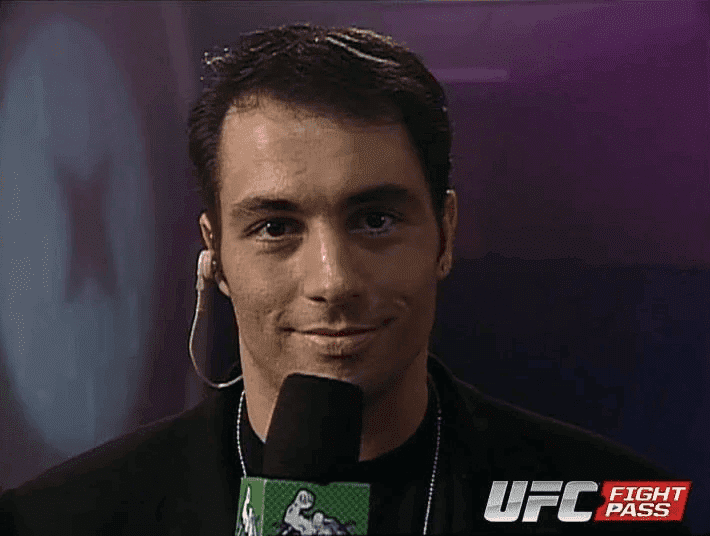
They were so in the weeds that they couldn’t even pay their ringside commentators like *cough cough* Joe Rogan. |
Hey Jamie, could you pull up that young pic of me? (via Reddit) |
They needed distribution and they needed it FAST. But after all the congressionally mandated controversy, no TV network wanted to touch UFC.
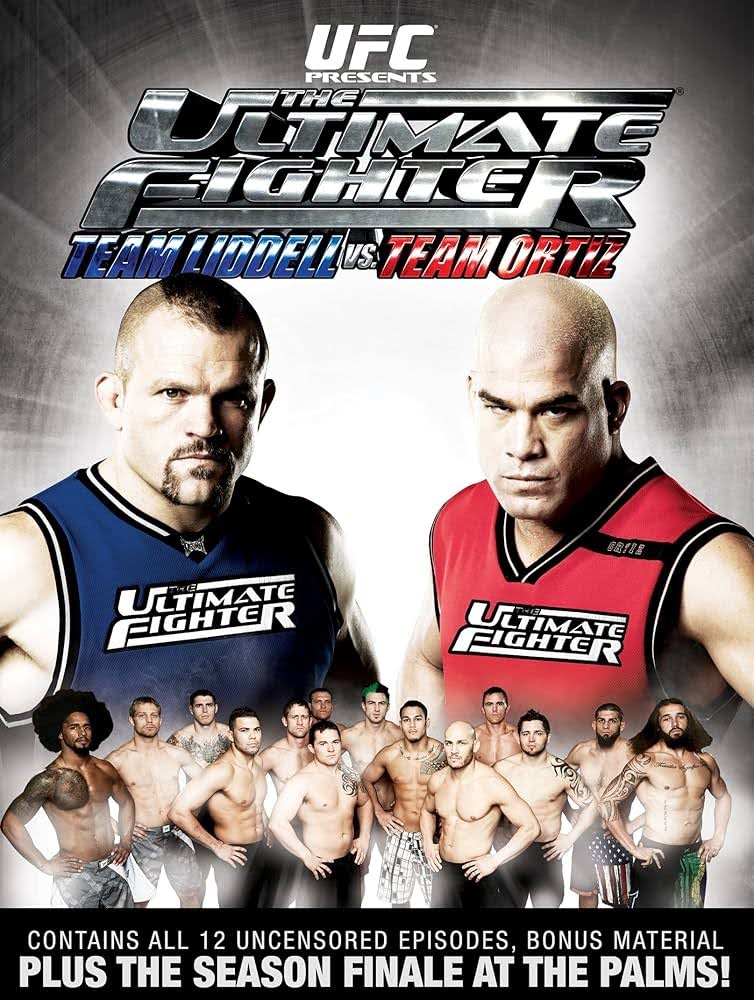
So, they stopped asking and hitched themselves to the hottest craze of the time. Reality TV. |
A new bombshell has entered the villa (via Amazon) |
A show where fighters lived in a house, trained, fought each other and the winner would get a UFC contract.
It was called The Ultimate Fighter it was their last ditch effort. Networks laughed them out of the room.
UFC was still a four-letter word. Until finally, Spike TV, a network known for reruns of COPS and MXC, agreed to take a chance.
But there was a catch.
The UFC had to pay for everything.
Production. Filming. Promotion.
Every single dollar.
The UFC had nothing else going for them, so they said yes and filmed the first season in 2004. The show premiered in early 2005 and it got so-so ratings.
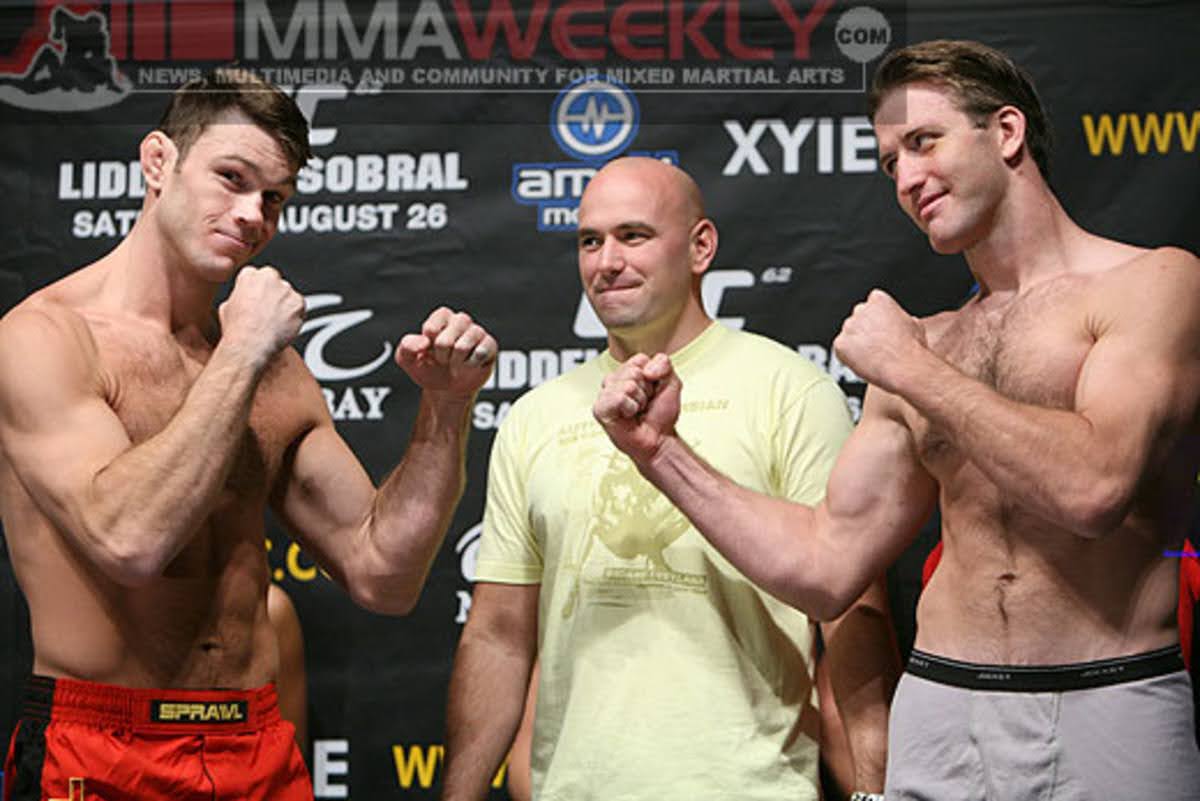
But then came the finale. Forrest Griffin vs. Stephan Bonnar. |
Three rounds of non stop violence, all for free on cable television.
The kind of fight that couldn’t be scripted and the exact kind of fight that made you a fan for life. Phones lit up, ratings spiked, and the Spike TV executives stared at their screens like “what did we just witness?”
They witnessed history because after that UFC was no longer a fringe curiosity.
It was a sport. Since then, the UFC has been on a 20 year tear. They’ve built stars like Chuck Liddell, Georges St-Pierre, Ronda Rousey, and Conor McGregor.
They’ve mastered the hype cycle of press conferences, weigh-ins, viral knockouts, and rivalries engineered for the algorithm.
And they ballooned into a $12 billion empire, broadcast in over 160 countries, with fans across every continent.
Because at the end of the day, who doesn’t like watching a fight? |
PUT IT IN PRACTICE
The UFC didn’t succeed because it had the best product.
It succeeded because it found the story, cleaned up the packaging, and fought tooth and nail for distribution.
It went from banned to billion-dollar by turning raw chaos into a brand people could rally behind.
There’s a lesson here for Marketers.
Here’s your homework: Audit one of your products or campaigns like it’s “early UFC.”
Ask “What’s working despite bad packaging?”
Then rebrand it with a tighter story, better positioning, clearer stakes.
Because sometimes, the problem isn’t the product.
It’s the perception.
|
|
|
|
This year, I’ve learned Marketers have major trust issues...with TV. So, I booked an EXPERT who’s going to show us how to test Connected TV using AI...without risking any budget. You + me + Emily from tvScientific. September 30th, 1pm. The growth lever you’re missing in Q4. Register here, and bring your questions. |
MARKETING CHEAT SHEET (WHAT TO LEARN FROM THIS STORY): |
1️⃣. You don’t need a rebrand. You need a reframing: The UFC didn’t change what they were. They changed how people saw them. “Cage fighting” became “Mixed Martial Arts.” Brutality became competition. Brawls became sanctioned sports. That small shift turned a banned bloodsport into a billion-dollar business. If people don’t get what you’re building, don’t always rebuild it. Reframe it. Language sells. Context converts.
2️⃣. When no one gives you distribution, make your own moment: Every network passed on the UFC. So they bet everything on a reality show no one asked for. They paid to produce it, promote it, and air it themselves. And it worked. The finale fight became a cultural moment that flipped everything. When channels don’t open for you, create a spectacle so big they have no choice but to let you in. If you can’t buy attention, earn it with a moment they can’t ignore.
3️⃣. Make It About People, Not Just Product: By framing everything around the fighters, the UFCgave you a reason to care who won. Press tours, trash talk, rivalries, every fight had a story. Find the humans inside your brand. Spotlight your founders, customers, creators, or competitors. Emotion moves people more than features ever will. |
|
|
Ahh, the bell has rung. Please be sure to do the reading (follow The Marketing Millennials on LinkedIn and me, Professor Millennial, on X).
Until next time,
Professor Millennial |
|
|
{if profile.vars.rh_reflink_10}  | Share with friends, get cool stuff! | Have friends who'd love TMM too? Send them your unique referral code using the link below and earn awesome rewards when they subscribe! | |
|
PS: You have referred {{profile.vars.rh_totref_10}} people so far | | Share The Marketing Millennials! | |
|
{/if} |
|
|
Get your brand in front of 112,345 marketing leaders. |
Workweek Media Inc.
1023 Springdale Road, STE 9E
Austin, TX 78721
Want to ruin my day? Unsubscribe. |
|
|
|