{if profile.vars.marketingland_user_fitness == true && (time("now") > profile.vars.user_fitness_reviewed_time + 7200) && (time("now") < profile.vars.user_fitness_reviewed_time + 1209600) && (!profile.vars.onboarding_complete_time)}{/if}
Hey Marketing Bestie,
My father-in-law Davey, who reads every newsletter I write, suggested I look into the phrase "new and improved." When he talks, I listen.
So I dug in, and it turns out this phrase has been quietly dominating marketing for over 175 years.
You see "new and improved" everywhere. Cereal boxes, toothpaste tubes, app update notes. It’s familiar, straightforward, and scarily good at making us pull out our wallets. A phrase this strong? Every brand from small startups to corporate giants want in.
What makes "new and improved" so special is how it turned a small change into a story of progress and trust that people can’t resist. I’ll repeat that again. PROGRESS AND TRUST. Marketing Bestie, let’s unpack how it went from a random ad to a marketing staple, and why it still works (even after the FTC laid down the law). | Was this email forwarded to you? |
|
|
MARKETINGLAND SPEAKER ANNOUNCEMENTS |
Have you registered for Marketingland yet?? We have the best lineup. Like... 🏰 Joao Ribeiro (VP of Demand Gen, Usercentrics), is sharing his playbook for scaling to $100M over in Growthland.
🏰 Cristy Garcia (CMO, Impact.com) will show Demandland how to turn campaigns into real communities that build on themselves.
Lots to learn. Save your spot and I’ll see you + a few thousand other Marketing Besties on October 30. PJs welcome. |
🚨 🚨 🚨 🚨 🚨 🚨
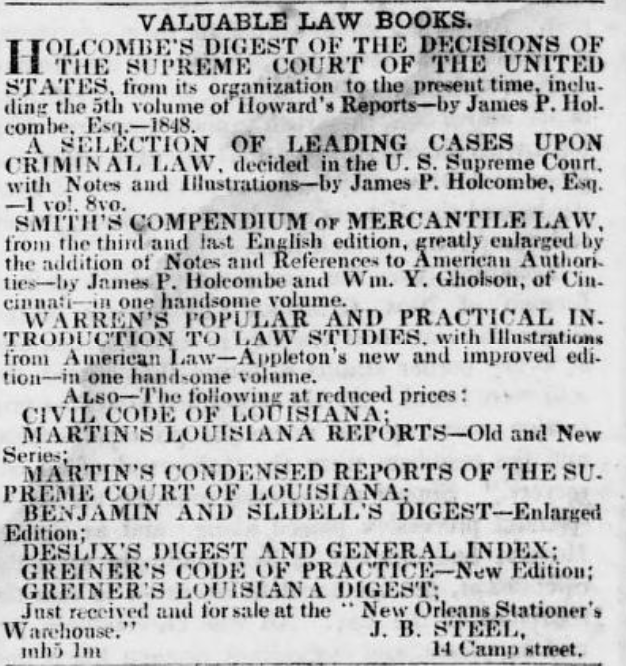
It’s 1848, and a copywriter at the Daily Crescent is churning out legal ads like it’s just another Tuesday. Over a pint (or whatever they drank back then), they’re probably brainstorming how to make a textbook, likely Warren's Popular and Practical Introduction to Law Studies, sound worth buying. Printing presses are buzzing, ads are getting sharper, and competition’s tight. (This was pre-Mad Men days.) They’re figuring out how to catch eyes and make words sell.
Then boom: "New and Improved" lands on that textbook ad.
It wasn’t just a tagline. It was a promise: this isn’t some outdated book, it’s better. Was it actually new? Maybe not. But it hit. With the ink barely dry, they leaned in, using "new and improved" to make ads feel urgent. |
The original phrase wasn’t flashy, but it landed. Most ad experiments back then tanked. Hell, most ad experiments now still tank. This 1 didn’t.
Here’s why it caught fire: "New and improved" gets inside our heads. We’re wired to notice new things.
Our neurons go wild for anything fresh because evolution taught us new stuff could mean survival, like better tools or safer food. But "new" can feel risky, what if it’s worse than what you had before? That’s where "improved" steps in, calming us with the idea of something tested and tweaked for the better. Together, they’re a 1-2 punch: "new" sparks excitement, "improved" builds trust. It’s not just a phrase.
Psychologists talk about the "mere exposure effect" (we like familiar things) and "loss aversion" (we hate missing out). That’s why we grab the "new and improved" shampoo, even if we don’t know what changed. And, if our current is fine.
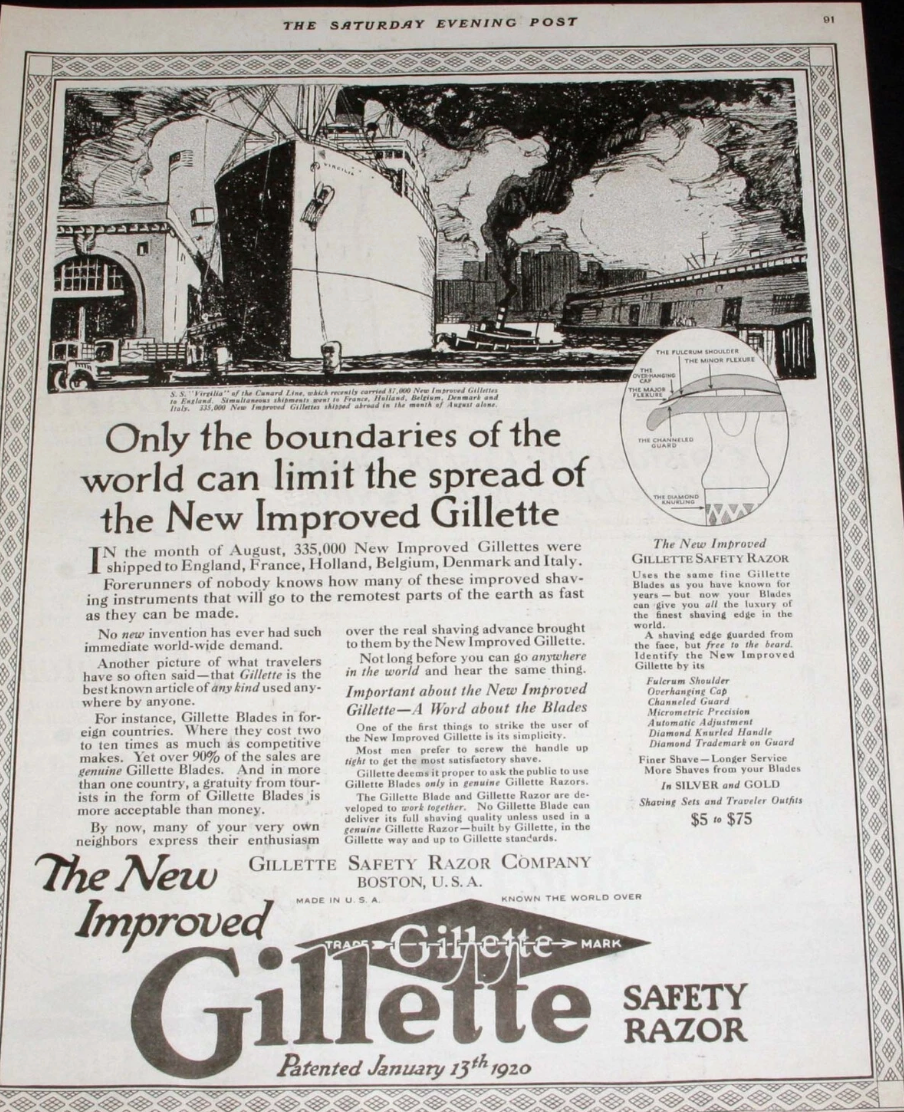
By the 1920s, Gillette went all-in, naming their razor "The New Improved." |
|
|
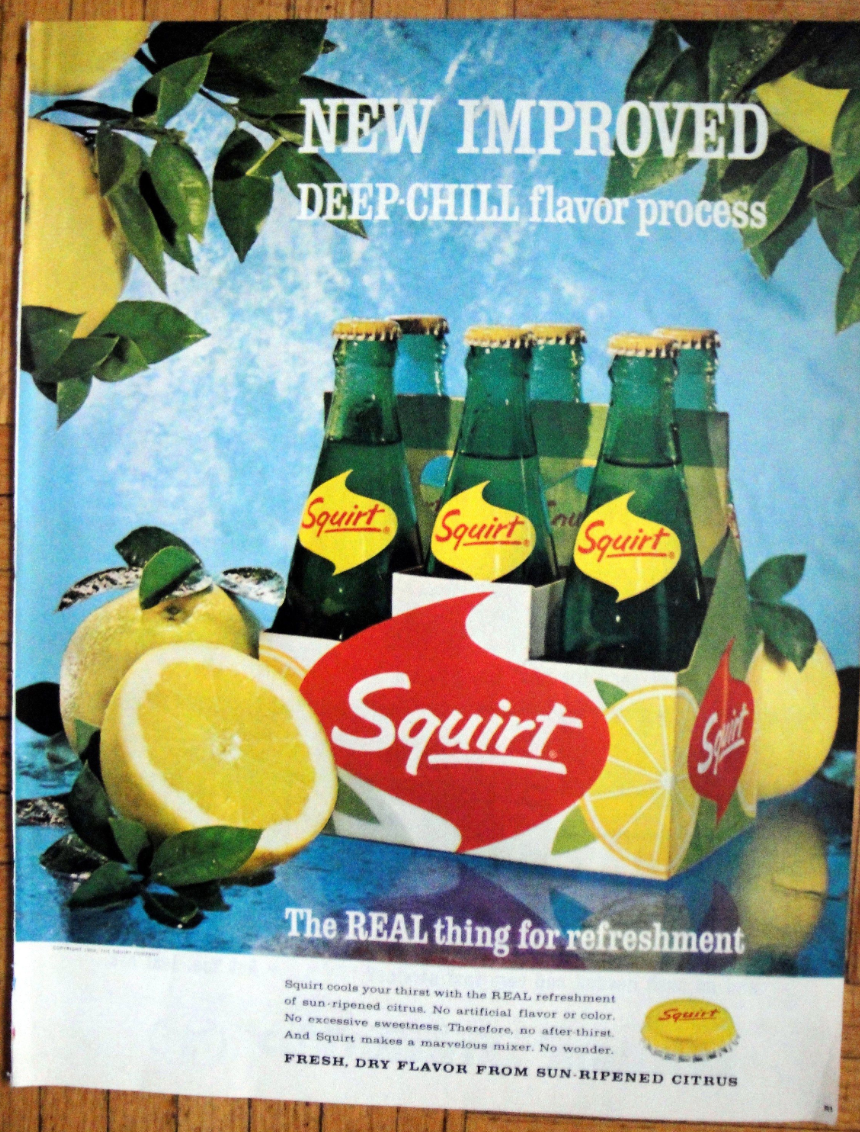
When your pitch feels like a challenge and a step up, people show up. In the 1960s, Squirt soda hyped a "Deep-Chill Flavor Process." Sounds like a stretch? Probably. Still refreshing? You bet. |
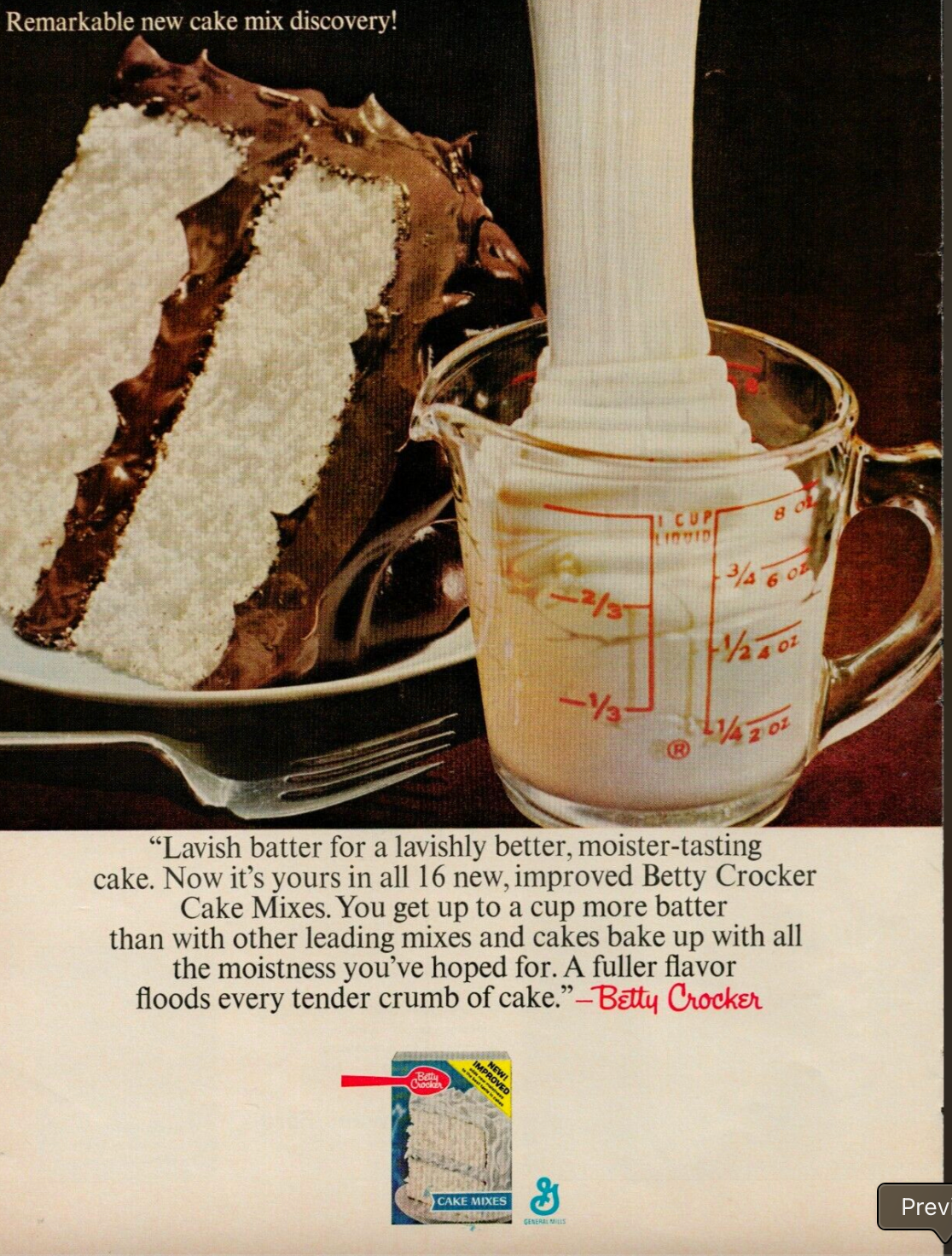
Betty Crocker in 1964 ups the batter per box. |
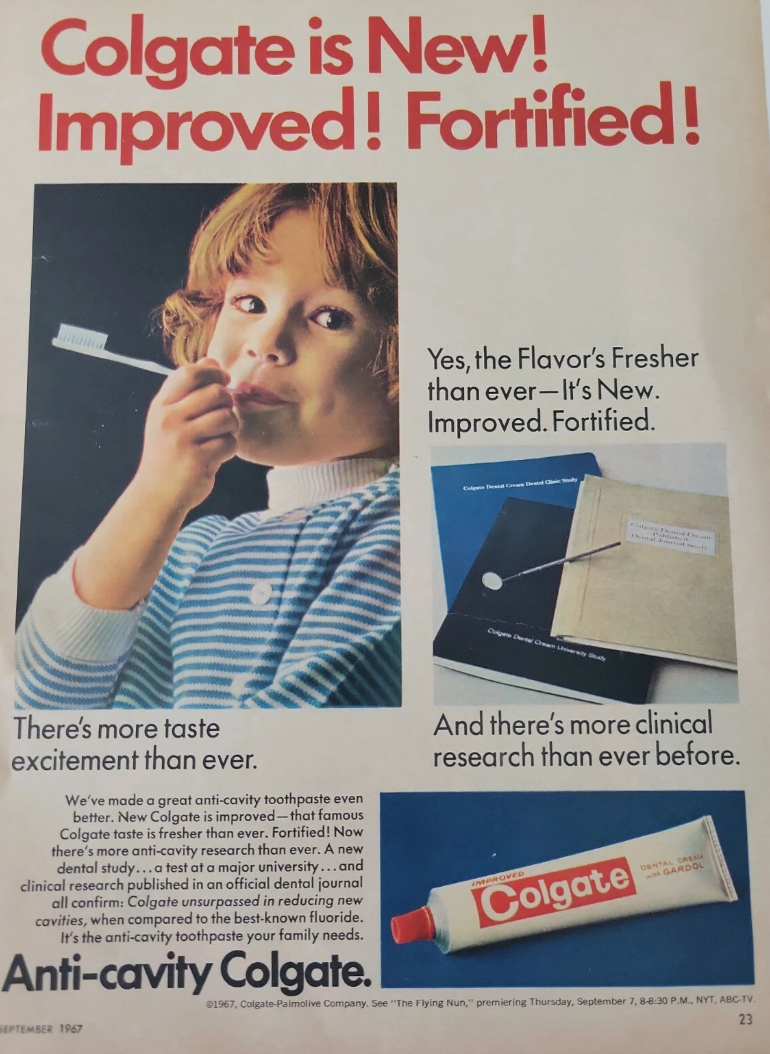
And Colgate in 1967: "New. Improved. Fortified." 3 hooks in 1 line. That’s the kind of copy Marketers dream about. |
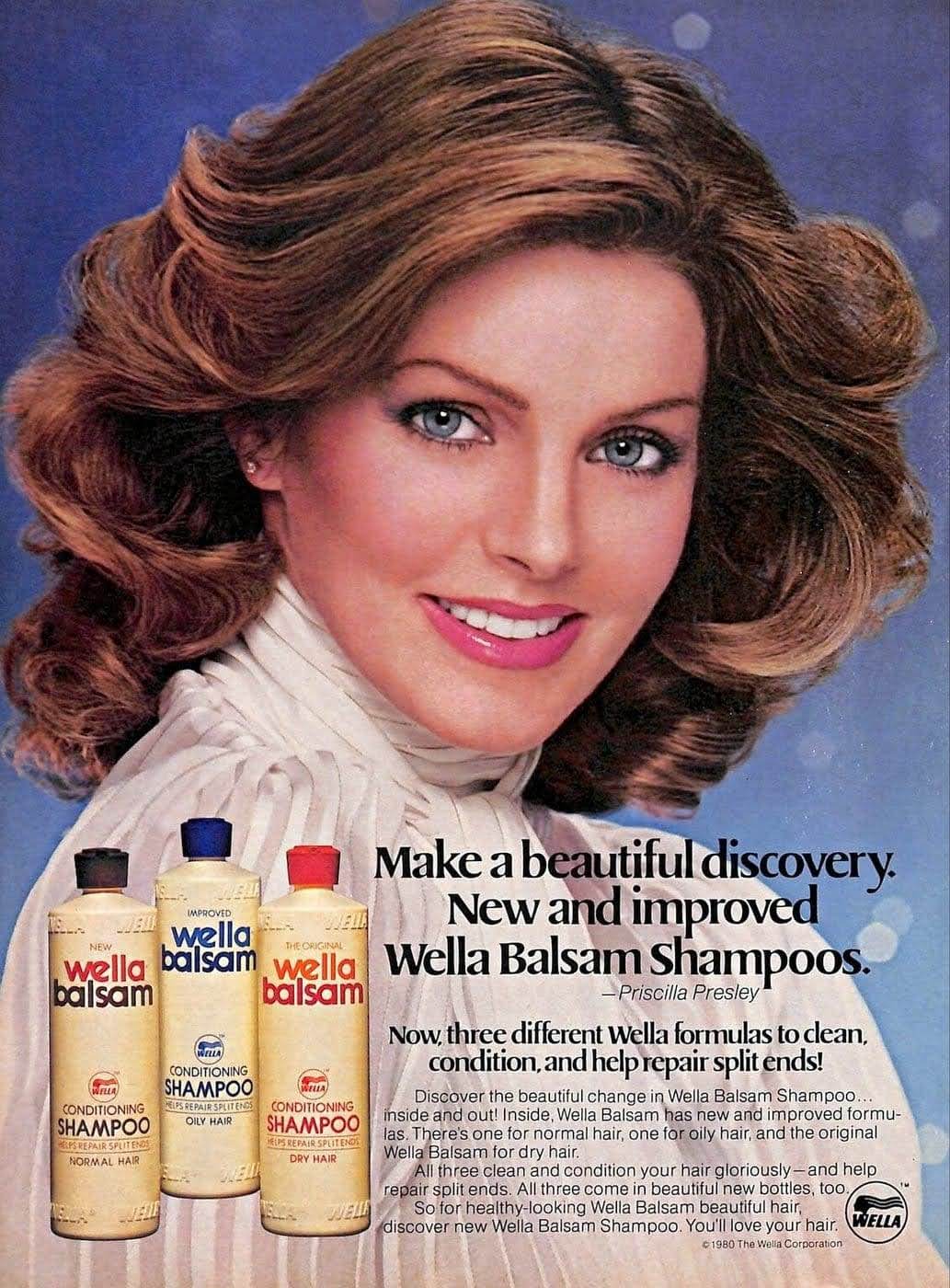
In the 1980s, Wella Balsam shampoo promised to "Make a beautiful discovery" with their "new and improved" formula, helping repair split ends. They promoted it via Priscilla Presley. |
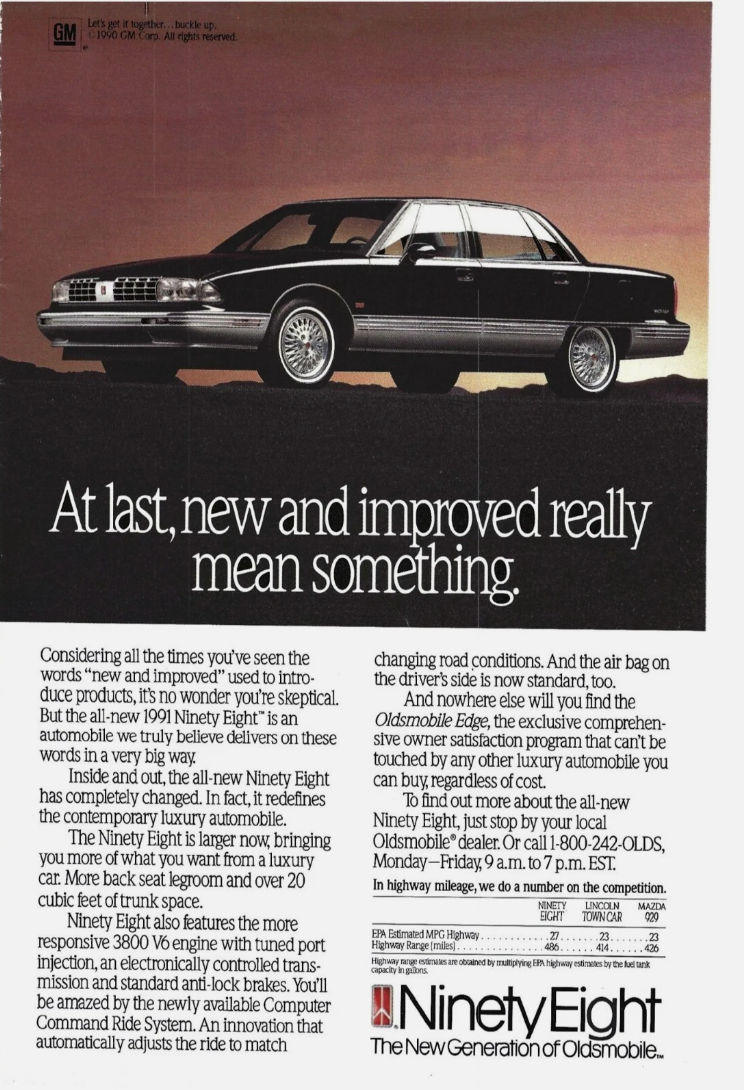
By 1990, Oldsmobile declared "At last, new and improved really mean something" for their Ninety-Eight model, and paired this with a comparison chart. |
You can’t keep shouting "new" without a strategy. So brands borrowed from fashion: seasonal refreshes, limited-time claims. Each "new and improved" drop tied to trends, competitors, or cultural moments. 1 decade it’s razor tech, the next it’s fortified toothpaste or colder soda. It turned into an event. And those events? They had people spending. Why does it still kill in Marketing? It’s behavioral science.
"New" cuts through the noise, screaming "pay attention." Researchers like Daniel Kahneman show we’re drawn to novelty because it promises easy wins.
"Improved" lowers the stakes, hinting at innovation without gambling on something unproven. Brands eat it up because it adds value without reinventing the wheel. BUT THEN the FTC steps in. 🚨 🚨 🚨 🚨 🚨 🚨
By the mid-20th century, "new and improved" was everywhere, and brands were getting sloppy. They’re throwing it on detergents, diapers, whatever, even if the "improvement" is just a new color. People feel lied to, complaints pile up, and the Federal Trade Commission (the ad cops) lays down rules in the 1970s.
You can’t say "new" for more than 6 months post-launch (FTC Guidelines on Advertising Substantiation, 16 CFR Part 260), and "improved" needs proof, lab tests, consumer data, or you’re getting fined (FTC Guidelines on Advertising Substantiation, 16 CFR Part 260).
“New and improved" didn’t die. Smart brands started backing it with real changes, making the psychology even stronger.
Today, brands still use "new and improved" all the time, but they (mostly) play by the rules. Think about how Apple rolls out "new and improved" features in iOS updates, or how consumer goods like detergents tout formula tweaks - always with data to back it up.
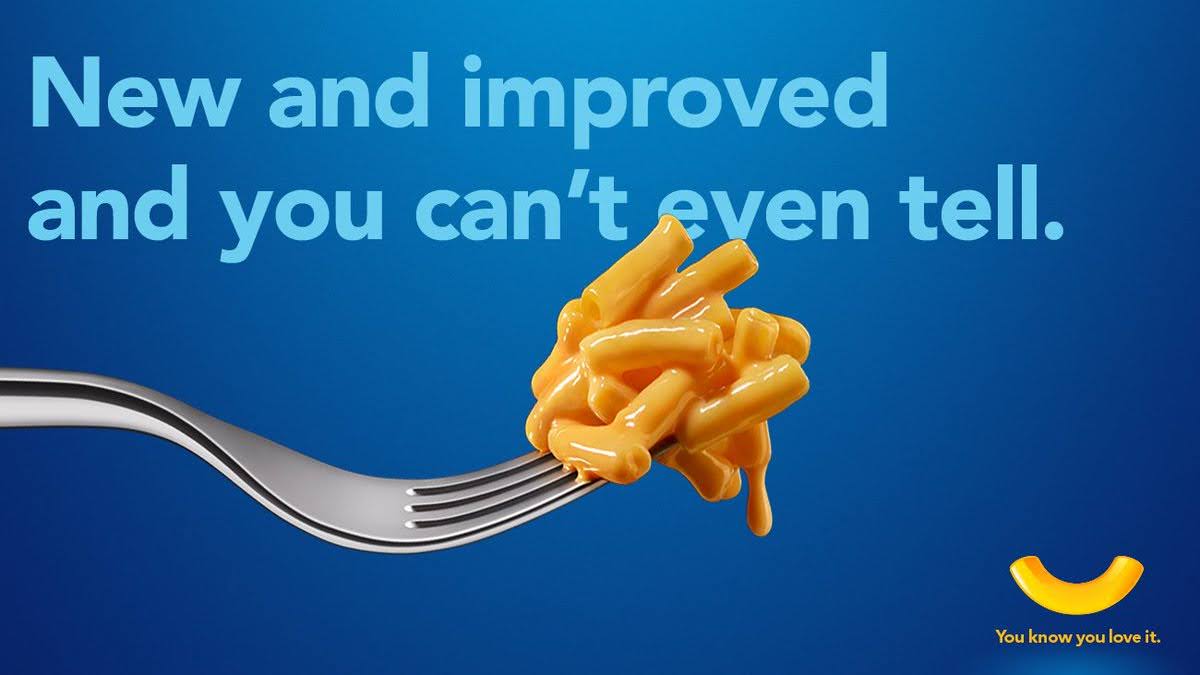
In 2016, Kraft Mac & Cheese announced their "new and improved" recipe with no artificial flavors, preservatives or dyes, saying "Fall in love with Mac & Cheese all over again". Though some fans noticed the taste change. |
Coca-Cola Zero Sugar got a "new and improved taste" makeover around 2021, with ads like "New and Improved Taste. Real Wonder”. |
The story of "new and improved" is about staying power. Born in a 1848 newspaper, honed through decades of ads, regulated but never stopped.
"New and improved" doesn’t aim to please everyone. It aims to make you believe. That’s the strategy. That’s the hook. In a world of forgettable copy, it stands out. And that’s why it wins, just like Davey (my father-in-law) knew it would. |
|
|
My son turns 2 months soon. What should I get him for his 2 month? Your friend, Daniel
|
|
|
{if profile.vars.rh_reflink_10}  | Share with friends, get cool stuff! | Have friends who'd love TMM too? Send them your unique referral code using the link below and earn awesome rewards when they subscribe! | |
|
PS: You have referred {{profile.vars.rh_totref_10}} people so far | | Share The Marketing Millennials! | |
|
{/if} |
|
|
Get your brand in front of 100,800+ marketing leaders. |
Workweek Media Inc.
1023 Springdale Road, STE 9E
Austin, TX 78721
Want to ruin my day? Unsubscribe. |
|
|
|