{if profile.vars.marketingland_user_fitness == true && (time("now") > profile.vars.user_fitness_reviewed_time + 7200) && (time("now") < profile.vars.user_fitness_reviewed_time + 1209600) && (!profile.vars.onboarding_complete_time)}{/if}
Hey Marketing Bestie,
Welcome to Marketing Classics 411, a new kind of ancient history. In place of hieroglyphs, expect to decipher the campaigns of yesteryear. Professor Millennial teaches every Tuesday (remotely), via electronic mail. Class is now in session. 📲 | Was this email forwarded to you? |
|
|
How Clay Made The CRM FUN And Got Valued At $1.25B In The Process |
Anyone who’s ever touched a CRM knows the truth:
Most of them suck. They’re clunky, they’re overwhelming and they’re built for sales managers, not actual humans. Clay flipped the script. Instead of trying to be the most powerful CRM, they built the most delightful one. Think Notion meets LinkedIn, with AI stitched into every corner.
A CRM you actually want to open.
But how do you get people to even try a CRM? How do you get people to even try a CRM?
Nobody wakes up thinking, “I should really rethink my contact management today.”
CRMs live in the land of pain, not excitement.
And yet, Clay figured it out. If they can make people want to use a CRM… you can learn how to sell anything. Let’s get into it. |
The year is 2015, and Kareem Amin has just left his job at The New York Times.
He’s not fleeing journalism, he’s fleeing bad software.
You know the type.
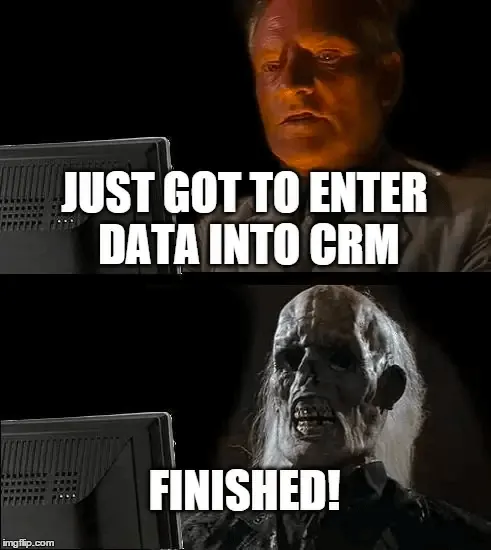
Software that makes smart people do dumb, repetitive work like manually copying data between tools, updating spreadsheets, and reformatting lists, over and over again.
(NO EXCEL, THAT IS NOT A DATE!!!)
Kareem wasn’t trying to build a CRM.
He just wanted a better way to work with information.
Something flexible. Visual. Programmable.
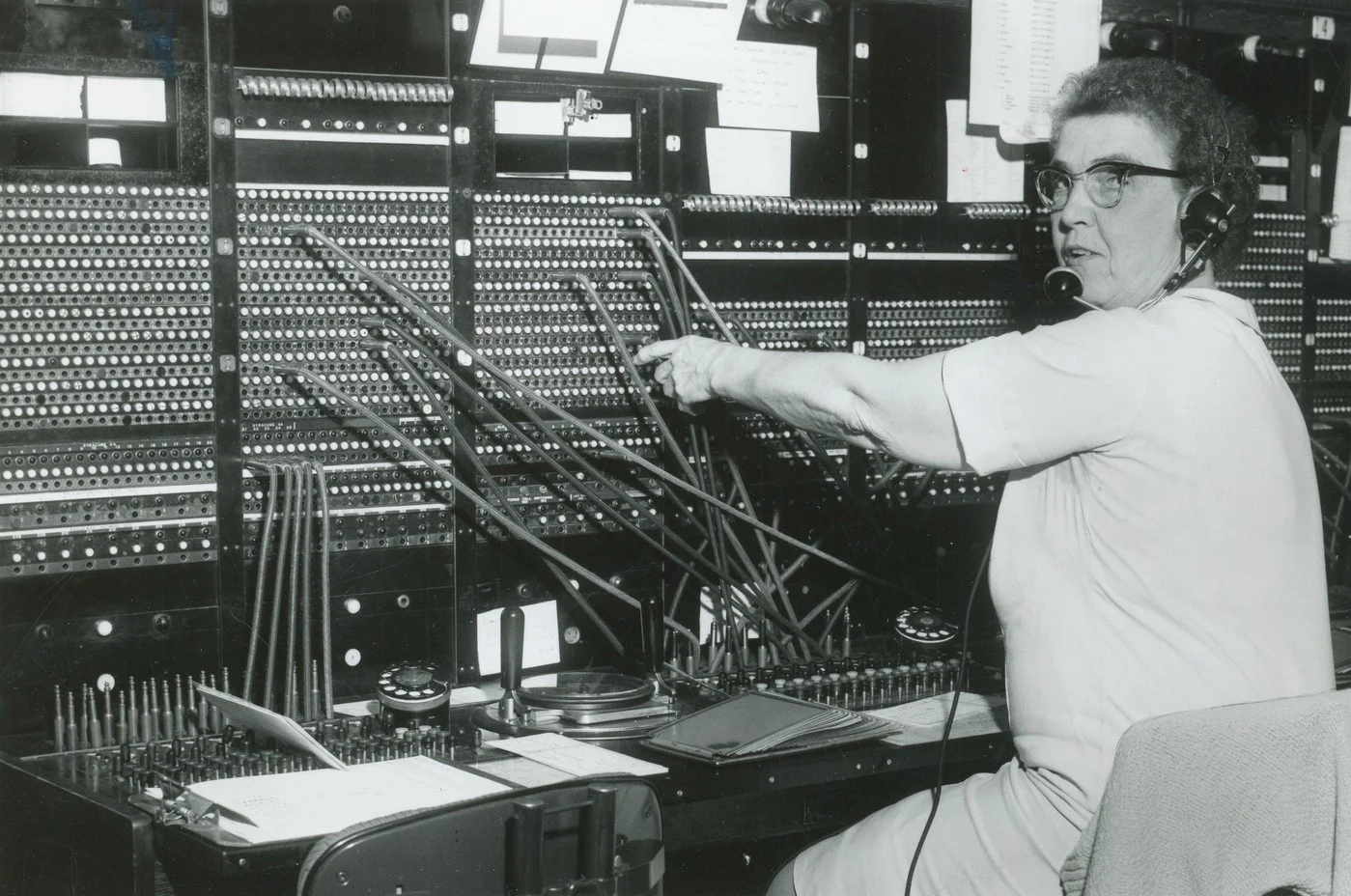
Like a phone board where companies could just pipe all their info sources to where they wanted to go. |
So teaming up with his buddy Varun Anad, they started tinkering with an idea: What if you could build workflows the way engineers write code, but without needing to write any? That idea would morph and form into Clay (lol get it?). At first, Clay didn’t look anything like a CRM. It looked more like a magic spreadsheet.
A tool that let you pull in data from anywhere, clean it up, and push it wherever it needed to go. It was flexible, it was powerful and it made you feel like a wizard if you knew how to use it. But there was a big issue, people didn’t really KNOW how to use it.
Thus no wizard feeling which leads into the ch word.
CHURN. Clay had serious potential, but it was too abstract for the average user.
It didn’t tell you what to build, it just gave you the pieces.
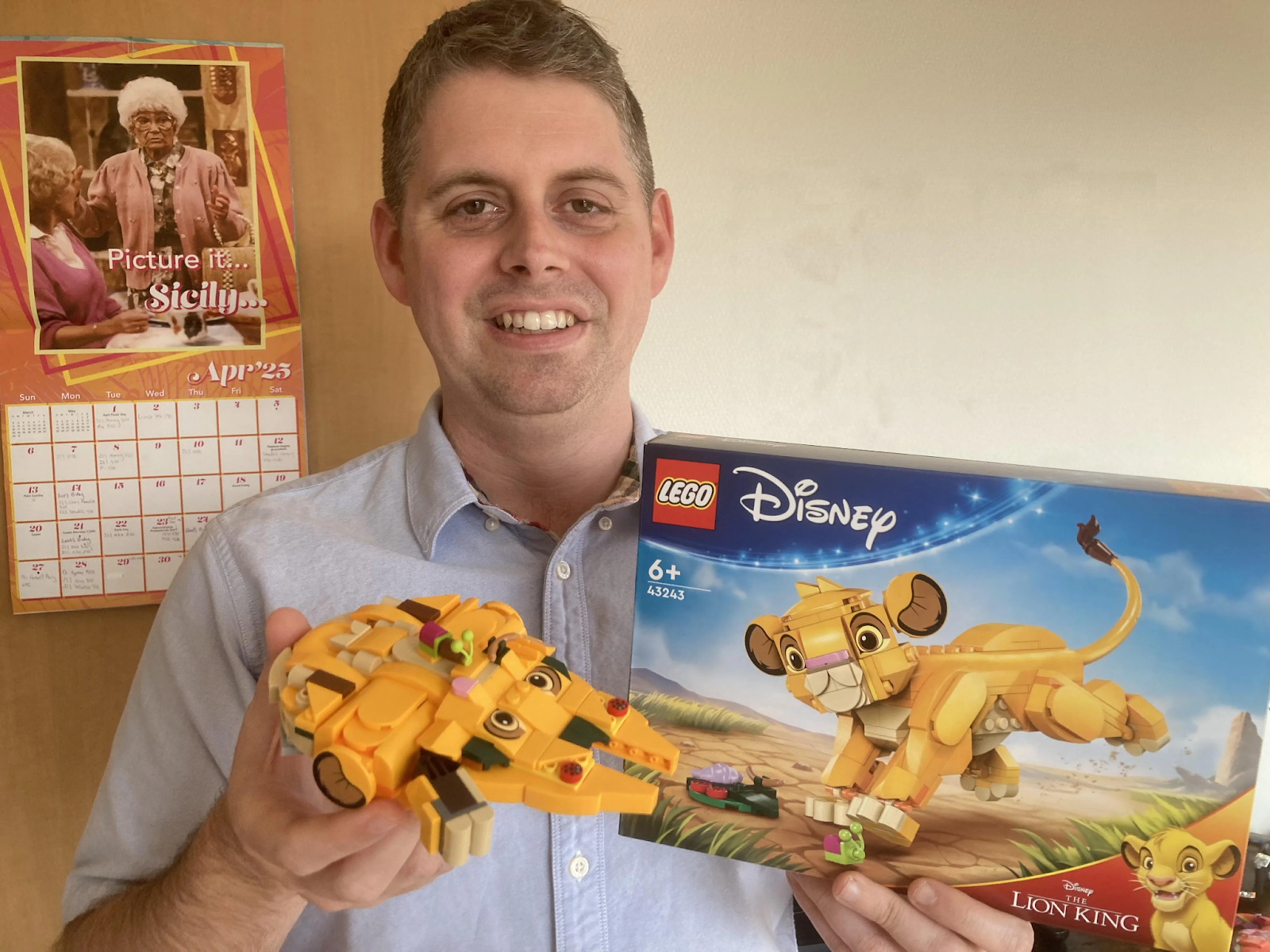
Imagine it like buying a LEGO set and just trying to assemble it without the instructions. |
That’s when the team made a crucial decision.
They needed to narrow.
If they wanted to educate their users on how to use Clay, they needed to really nail down who their users were. |
PUT IT IN PRACTICE
Know Who You’re Talking To.
There’s two types of bad Marketing:
1. Marketing that says nothing to the right people.
2. Marketing that says the right thing to the wrong people.
Both are insidious and both are easily avoidable.
Here’s your homework: Take a hard look at your homepage, your cold emails, your top-of-funnel ads.
Ask: Who is this really for?
Then ask: Would that person actually care?
If you can’t answer both with confidence, start there.
Because Clay didn’t win by shouting louder.
They won by getting specific.
|
|
So after weeks of research and countless user interviews, the Clay team found their wedge:
Go-to-market teams. Specifically, outbound teams.
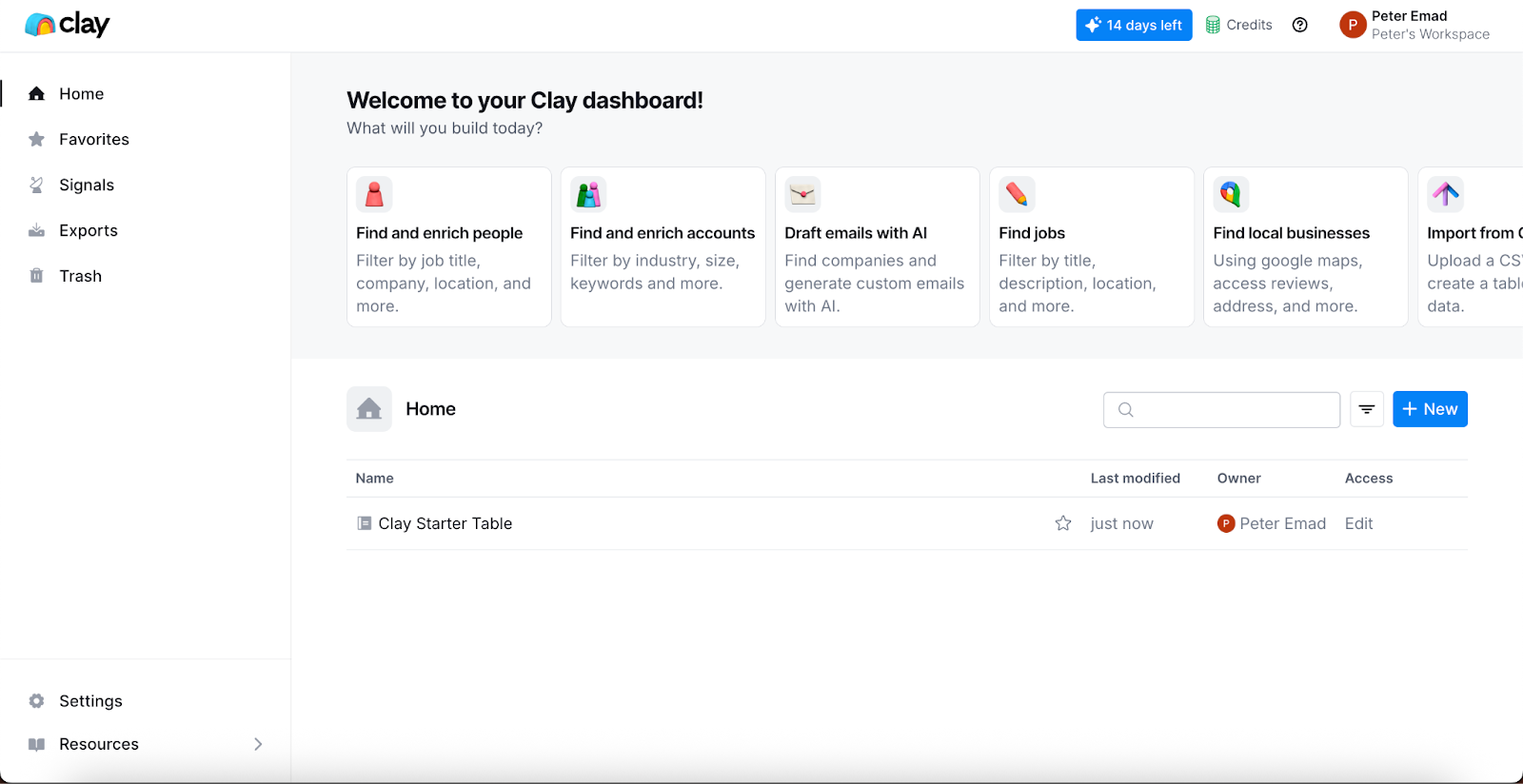
Your SDRs, growth leads, and revops folks who were tired of building the same dang workflows over and over again. Lead sourcing. Enrichment. Personalization. Outreach.
Clay could automate it all. Suddenly, the product clicked.
It wasn’t “a magic spreadsheet” anymore.
It was your AI-powered GTM engine. |
And people started paying attention. The shift was subtle but seismic.
Instead of trying to be everything to everyone, Clay became indispensable to a very specific someone. Outbound teams weren’t just signing up.
They were building entire workflows inside Clay.
They were sharing templates, teaching others, and creating playbooks.
For the first time, the product wasn’t just being used, it was being pulled. That’s product-market fit and with it came the growth. In 2022, Clay 10x’d revenue.
Then again in 2023.
By 2024, they had over 8,000 customers including logos like OpenAI, Notion, Canva, and Ramp. Then came the funding floodgates.
A $46M Series B.
A $1.25B valuation.
And, just recently, a series C at more than double their last valuation.
$3 BILLION. All for a product that started as a spreadsheet and turned into magic. |
|
|
MARKETING CHEAT SHEET (WHAT TO LEARN FROM THIS STORY): |
1️⃣. You don’t need to shout louder. You need to get sharper. Clay didn’t win by being the most powerful CRM. They won by knowing EXACTLY who they were for. At first, the product was flexible but fuzzy. Nobody knew what to do with it. So the team zoomed in. They focused on outbound GTM teams who were drowning in manual tasks. And suddenly, everything clicked. Usage exploded, revenue followed, and what looked like a spreadsheet became a $3B growth engine. When in doubt, niche down. Specificity scales faster than shouting.
2️⃣. The best growth doesn’t come from hype. It comes from pull. Once Clay got specific about who it was for, users didn’t just sign up. They built inside the product. They shared templates, created playbooks, and pulled others in. It stopped being a tool and started being a platform. That’s when you know you have product-market fit. If your growth strategy is doing all the pushing, ask yourself if your product is actually creating enough pull.
3️⃣. Branding isn’t about being louder. It’s about being different in a way people care about. Clay didn’t try to sound like every other CRM. They didn’t chase enterprise speak or stuffy features. They made the CRM feel like Notion meets AI meets fun. That branding wasn’t just cute. It was conversion fuel. People don’t fall in love with tools. They fall in love with how tools make them feel. So if your category is boring, even better. That’s your chance to be the one that stands out.
|
|
|
Ahh, the bell has rung. Please be sure to do the reading (follow The Marketing Millennials on LinkedIn and me, Professor Millennial, on X). Off you go, passing period is only 11 minutes and there’s already a line at the vending machine that sells enrichment data.
Until next time,
Professor Millennial |
|
|
{if profile.vars.rh_reflink_10}  | Share with friends, get cool stuff! | Have friends who'd love TMM too? Send them your unique referral code using the link below and earn awesome rewards when they subscribe! | |
|
PS: You have referred {{profile.vars.rh_totref_10}} people so far | | Share The Marketing Millennials! | |
|
{/if} |
|
|
Get your brand in front of 100,800+ marketing leaders. |
Workweek Media Inc.
1023 Springdale Road, STE 9E
Austin, TX 78721
Want to ruin my day? Unsubscribe. |
|
|
|