{if profile.vars.marketingland_user_fitness == true && (time("now") > profile.vars.user_fitness_reviewed_time + 7200) && (time("now") < profile.vars.user_fitness_reviewed_time + 1209600) && (!profile.vars.onboarding_complete_time)}{/if}
Hey Marketing Bestie,
Welcome to Marketing Classics 411, a new kind of ancient history. In place of hieroglyphs, expect to decipher the campaigns of yesteryear. Professor Millennial teaches every Tuesday (remotely), via electronic mail.
Class is now in session. 👶 |
Was this email forwarded to you? |
|
|
How a Victorian Baby Carriage Became A Global Luxury Flex |
If you’ve been reading this newsletter for a while now, you’ll notice I drop the phrase “status signal” a good bit. Because whether we like it or not, we use products to say something about ourselves.
About our taste. Our values. Our aspirations. And when it comes to parenting, that signaling doesn’t stop, it just gets wheeled around in public. Enter: the Silver Cross stroller. To the untrained eye, it’s just another sleek pram.
But to those in the know, it’s a subtle flex. A whisper of luxury. A British heirloom brand that once chauffeured royal babies and now signals, “We’re not just parents. We’re discerning parents.”
Let’s talk about how a stroller became a status symbol...and how careful brand positioning kept it that way.
|
The year is 1877.
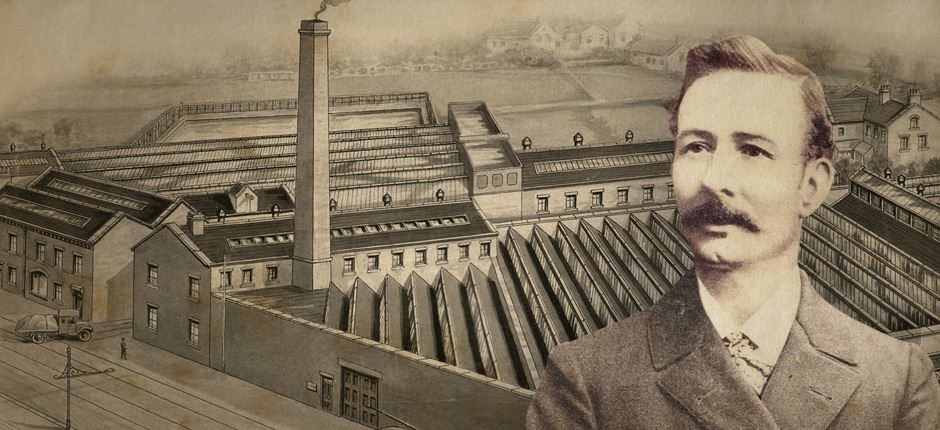
Queen Victoria is on the throne. The telephone has just been patented. And in the industrial town of Leeds, England, a man named William Wilson is working on something that will change parenting forever. Not a steam engine. Not a telegraph.
A stroller. The FIRST stroller. |
The face of a man who wasn’t bjorn for the baby-carrying life. GET IT?!?!? (via Silver Cross) |
Until then, babies were carried or bundled into wooden carts, not exactly the stuff of comfort or care.
Wilson’s invention was radical: a wheeled carriage designed specifically to transport infants. Functional, protective, and, most importantly, built to be pushed by hand. It was a marvel of the domestic age. A luxury and a labor-saver.
And it didn’t take long for people to take notice. Because once you see someone pushing their baby instead of hauling them, buddy you don’t go back. Strollers, prams, carriages: whatever you called them, they exploded onto the scene and sold like nobody’s business.
Why? Because Wilson’s invention tapped into a growing middle class eager to show they could provide for their children...and then some. With style.
It wasn’t just a tool, it was a symbol. A sign that you were modern, attentive, and moving up in the world. By the turn of the century, Silver Cross had gone from a small workshop operation to a household name.
Parents weren’t just buying mobility. They were buying peace of mind, dignity, and a little status on wheels. UPWARD mobility, if you will, LOL.
And soon, it wouldn’t just be the rising middle class pushing Silver Cross down the lane…
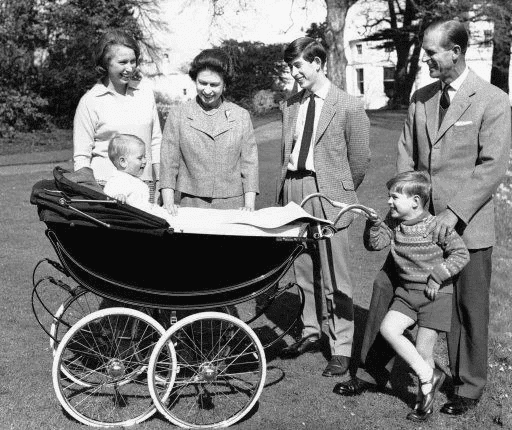
It would be the royal family. |
In 1895, they commissioned a Silver Cross pram for their own children, cementing the brand as the choice of British aristocracy.
From that moment on, Silver Cross wasn’t just a stroller company.
It was royally appointed. A supplier to the Crown. A stamp of approval that would echo across generations. If it was good enough for the House of Windsor, it was good enough for anyone.
After William Wilson passed, the company stayed in the family, handed down like a proper British heirloom.
His sons took the reins, scaling production and modernizing the line, but never straying from the founding principle: Every child deserves the best start in life.
And that belief paid off. By the early 20th century, Silver Cross was a global export. Hospitals ordered them in bulk. Nurseries were stocked with them. Parents were pushing Silver Cross from Leeds to Lagos.
It can be dangerous to scale a brand that depends on being exclusive. How could Silver Cross maintain their prestige standing?
By standing next to other prestige brands, of course. Silver Cross didn’t just rely on royal endorsements or nostalgia, they understood the power of association.
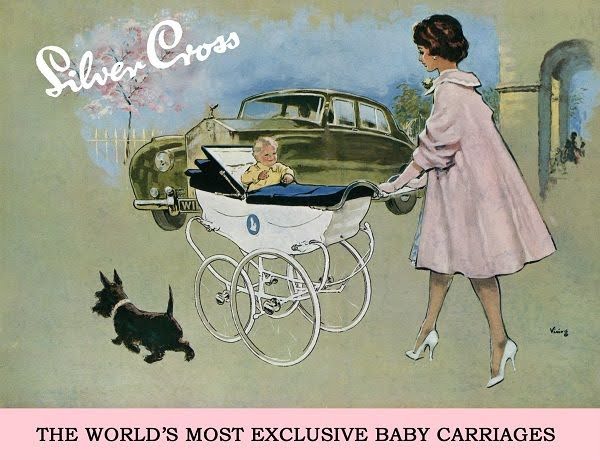
So they ran a poster campaign with their prams parked next to Rolls Royces. |
There was something in the ads back then that just made them POP! (via Pinterest) |
Same angle. Same lighting. Same aura of effortless class. And it worked. Silver Cross eventually became known as the “Rolls Royce of strollers.”
Not because they said it. But because the world believed it.
Craftsmanship. Heritage. British excellence.
All rolled into one. |
PUT IT IN PRACTICE
Proximity Rules Everything Around Me.
Brands borrow power by standing next to other powerful brands. Prestige is contagious, but only if you’re close enough to catch it.
Here’s your homework: Find 3 brands in your category that your ideal customer already trusts, admires, or aspires to.
Now ask yourself:
– How can you get closer to those brands?
– Can you collaborate, co-market, or just stand in the same room?
– Can you design your branding to feel like theirs, without copying it?
Your brand is who you are.
But your status?
That’s who you’re standing next to.
|
|
But no one gets to stay king of the hill forever. As tastes shifted and parenting became less about tradition and more about convenience, Silver Cross found itself with a new label:
“Old-fashioned.” While newer brands leaned into minimalist design, collapsible frames, and jet-set mobility, Silver Cross was still pushing heritage.
What once looked like royalty now looked... bulky. Outdated. A little too Downton Abbey for the modern mom (even if the show wouldn’t come out for another bajillion years).
The world was moving faster. Lighter.
And if Silver Cross wanted to keep up, it would have to evolve without losing the crown. So they rolled out two key initiatives: Redesign and reach.
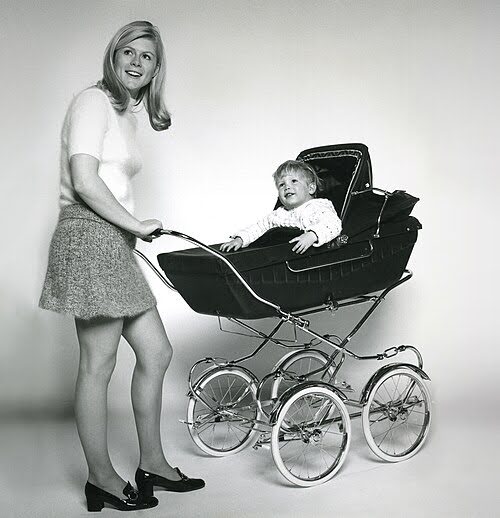
First, they modernized the stroller itself. Sleeker frames. Lighter materials. Foldable designs that fit in the trunk and the hallway. All while preserving that signature Silver Cross polish with those plush fabrics, that smooth ride, and just enough royal flair to remind you who started it all. |
Silvercross in the 70s. Groovy, meet baby. (via Wikipedia) |
Second, they dialed in their audience targeting:
Silver Cross began exporting to over 50 countries, tapping into a growing class of similarly-aspirational parents around the world. In places like China and the Middle East, the name Silver Cross still carried serious weight, synonymous with British luxury and old-world pedigree.
They weren’t just back in the game.
They were now playing on a bigger stage than ever before. Today, Silver Cross is still rolling. The heritage is intact, but the brand has fully embraced its role as a luxury player in a modern world. It’s not just for British royals anymore, it’s for anyone who wants to make a statement at the park, the airport, or the sidewalk café. Anyone who was ready to drop the cash, anyway. And Silver Cross isn't shy about flexing that status.
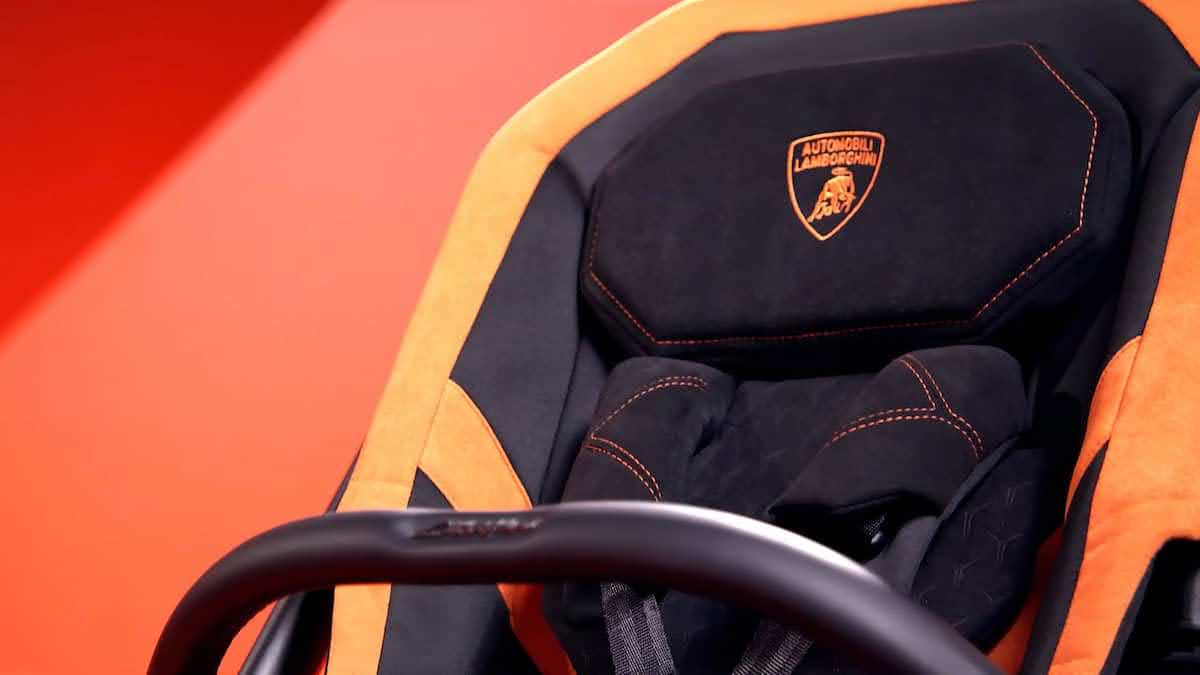
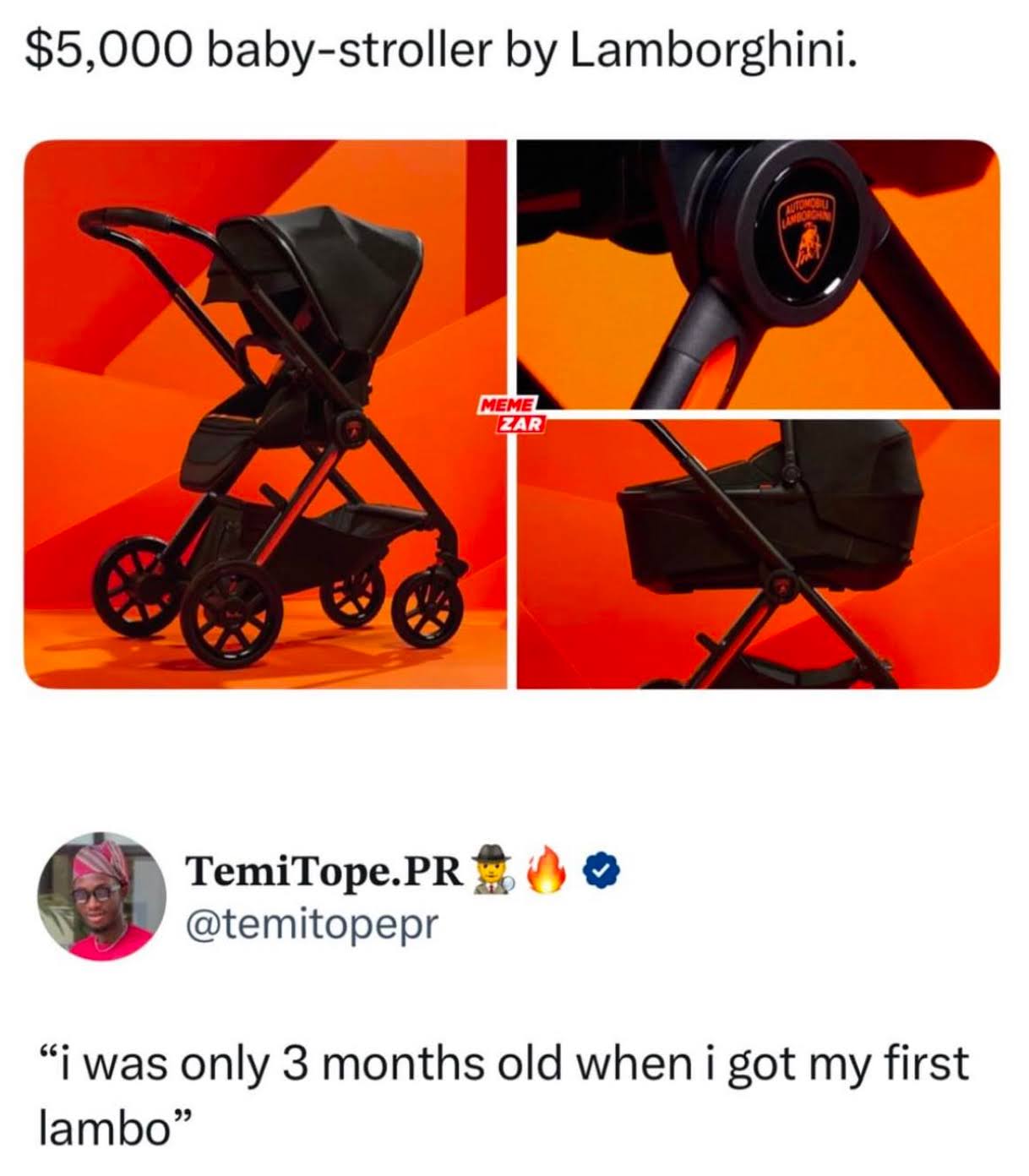
In 2022, Silver Cross teamed up with Lamborghini to drop a limited-edition stroller.
Yes, THAT Lamborghini.
|
|
|
No, I couldn’t convince Ari to let us put this on the registry. (via Traction Life) |
Carbon fiber. Aerodynamic lines. Matte black finishes with neon trim. It looked less like baby gear, more like a supercar for your child. And the price? Around $3,000. It sold out. Because at this point, Silver Cross isn’t just a stroller brand.
It’s a luxury goods company, one that just happens to sell its craftsmanship to new parents instead of watch collectors. From Victorian cobblestones to carbon fiber cribs, Silver Cross isn’t stuck in the past.
It’s carrying the future. |
|
|
MARKETING CHEAT SHEET (WHAT TO LEARN FROM THIS STORY): |
1️⃣. Status is a feature, not a byproduct: Silver Cross didn’t just invent the stroller. They invented the idea that how you push your baby says something about who you are. From the jump, it wasn’t just about utility. It was about aspiration. A parent pushing a Silver Cross wasn’t just transporting a child. They were signaling taste, class, and upward mobility. That’s the move. If your product reflects identity, lean in. Status sells when it’s baked into the experience, not tacked on at the end.
2️⃣. Borrow prestige to build your own: Silver Cross didn’t shout about their luxury. They parked next to Rolls Royces and let the image do the work. Same lighting. Same angles. Same quiet confidence. They knew proximity builds perception. If you want your brand to feel elevated, stand next to brands your audience already trusts. Don’t just market harder. Market smarter by placing your brand in good company and letting the halo rub off.
3️⃣. Your brand is who you are. Your status is who you’re standing next to: Once Silver Cross became the go-to stroller for royalty, their brand became bigger than the product. It was an heirloom. A flex. A way to say you were cut from a certain cloth. But that wasn’t by accident. They built that association intentionally and doubled down on it for generations. If you want to be seen as premium, align with people and partners who already carry that perception. Let the association do the talking.
|
|
|
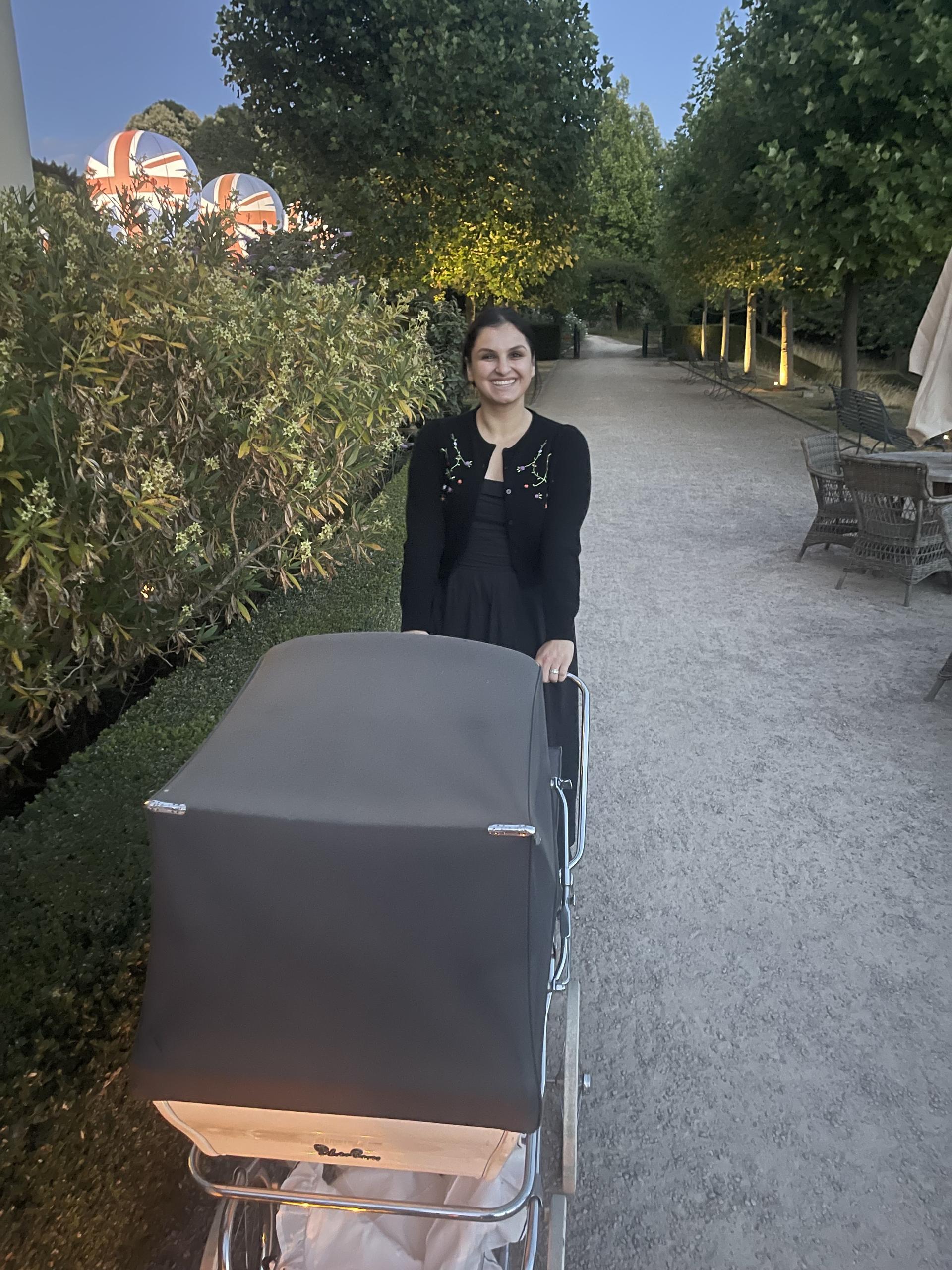
Ahh, the bell has rung. Please be sure to do the reading (follow The Marketing Millennials on LinkedIn and me, Professor Millennial, on X). Until next time, Professor Millennial P.S. I took this picture of Ari when we were in London in 2022. Yes, that's a Silvercross stroller. (Not ours.) Just practicing. 🩷 |
|
|
{if profile.vars.rh_reflink_10}  | Share with friends, get cool stuff! | Have friends who'd love TMM too? Send them your unique referral code using the link below and earn awesome rewards when they subscribe! | |
|
PS: You have referred {{profile.vars.rh_totref_10}} people so far | | Share The Marketing Millennials! | |
|
{/if} |
|
|
Get your brand in front of 112,345 marketing leaders. |
Workweek Media Inc.
1023 Springdale Road, STE 9E
Austin, TX 78721
Want to ruin my day? Unsubscribe. |
|
|
|