Good morning Wolf Pack, First and foremost, whether you're working today or enjoying a long weekend - Happy MLK Day to you! Today's Wolf Report explores the big news last week regarding Subway. Let's dive right in 👇 |
Was this email forwarded to you? |
|
|
The Subway Acquisition Conundrum |
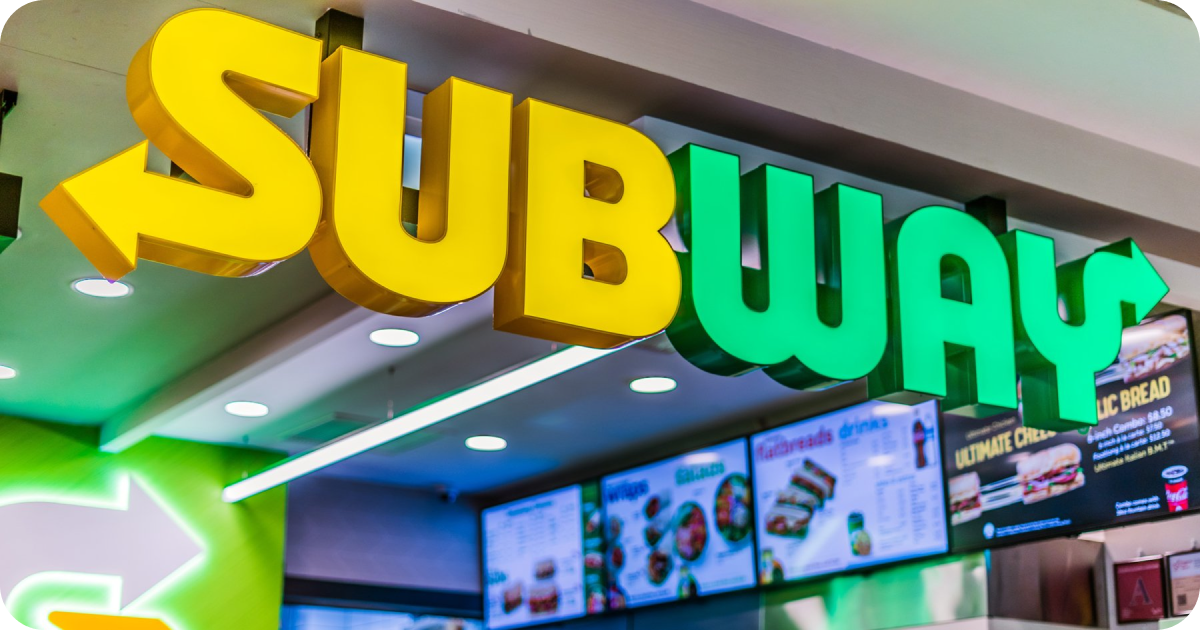
You likely saw the headlines last week, but if you didn’t, here it is: Subway hired advisors to explore a potential sale that’d value the sandwich giant at $10 billion.
The franchise, founded by Fred DeLuca in 1965, has been privately held for the entirety of its existence. If a transaction were to occur anywhere near the amount Subway is currently considering, it’d mark one of the biggest franchise transactions ever. Close followers of my content know Subway isn’t exactly my favorite franchise…
They’ve consistently shown a blatant disregard for the livelihood of many of their franchisees, and have been highlighted in mainstream media for numerous issues (from fake Tuna, to franchisees borderline fearing for their life).
But today’s newsletter isn't about the Subway mafia.
It’s about Subway the franchisor, whose US entity makes close to $800M in royalty revenue, and an additional ~$60 million in supplying goods to franchisees (napkins, food supplies, etc.). Those numbers don’t even account for international operations
Simply put, the business is a cash cow, so much so that it could actually hurt their chances of getting a deal done at their asking price.
The reality is that Subway is big enough to throw a $10B price tag and not get laughed out of the room. While being valued in the billions is a good thing, it also prices out the majority of would-be buyers of a restaurant franchise.
As a point of comparison, the biggest restaurant deal last year was when Butterfly Equity acquired the mexican fast-casual chain, Qdoba, for ~$835 million. |
From a high-level, there’s 2 types of buyers for a transaction of this size: - Private equity
- A restaurant corporation
As far as private equity firms come, they have more than enough money to gobble up Subway in the blink of an eye.
Look at any top PE fund in the US, and you’ll see they have tens to hundreds of billions of dollars at their disposal. The gigantor Blackrock has ~$10 trillion in assets under management alone.
But portfolio management and strategy comes into play, and it’s far from a sure bet that a fund with zero prior restaurant experience would want to step in.
So rather than speculating on a PE deal coming out of the woodwork, let’s narrow it down to companies that A) can afford a $10B transaction AND B) already have restaurant experience. |
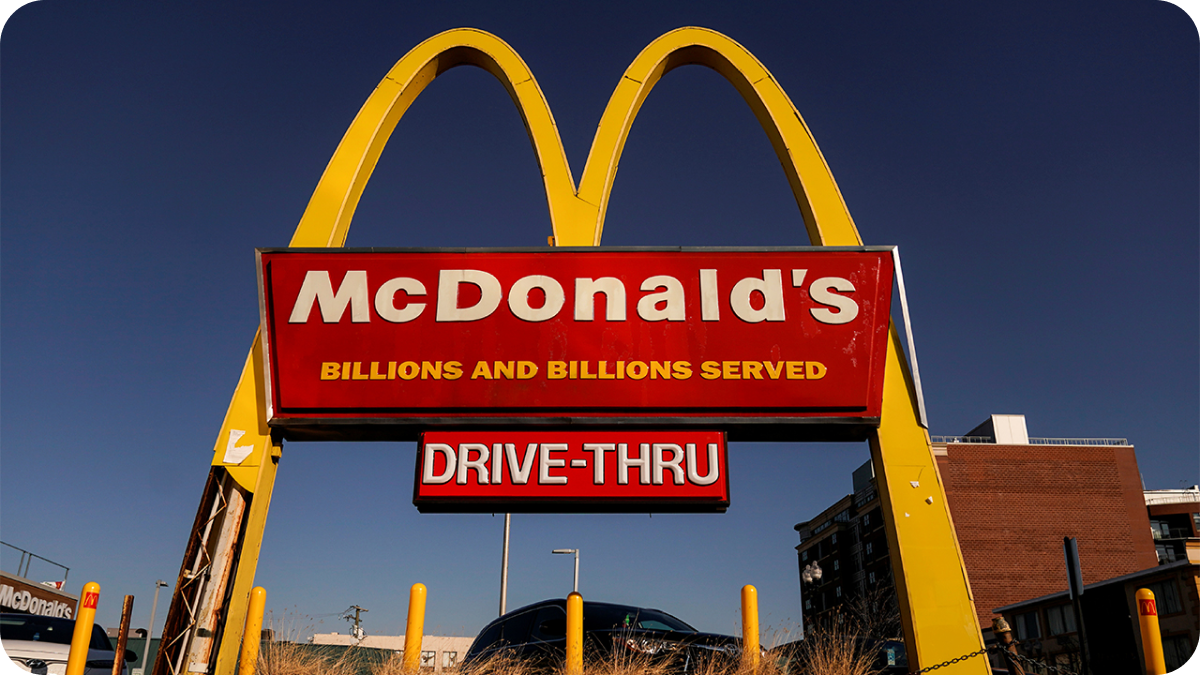
The ~$200 billion dollar company has previously tried their hand at multi-brand and multi-business ownership in the early 2000’s.
Back then they had a 90% stake in Chipotle, incubated the DVD vending company Redbox, acquired regional pizza franchise Donato’s, and even bought Boston Market out of bankruptcy (yes - it’s hard to believe today that McDonald’s did all of that).
But by 2007 they were effectively divested of all those companies, as they felt the lack of focus was hurting their core McDonald’s franchise business.
Given their past, it’d be the understatement of the year to call it a long shot that they’d jump back into owning another franchise with a transaction of this size. |
Like McDonald’s, they have the financial means to pull off a transaction of this size, but also like McDonald’s…I think we can all agree it’d be shocking to see the coffee chain acquire another brand, nevermind a sandwich franchise like Subway.
The Starbucks brand attracts an aspirational and / or higher income consumer, and Subway just wouldn’t make sense on any level. | From a brand perspective, it’s a much better fit than Starbucks.
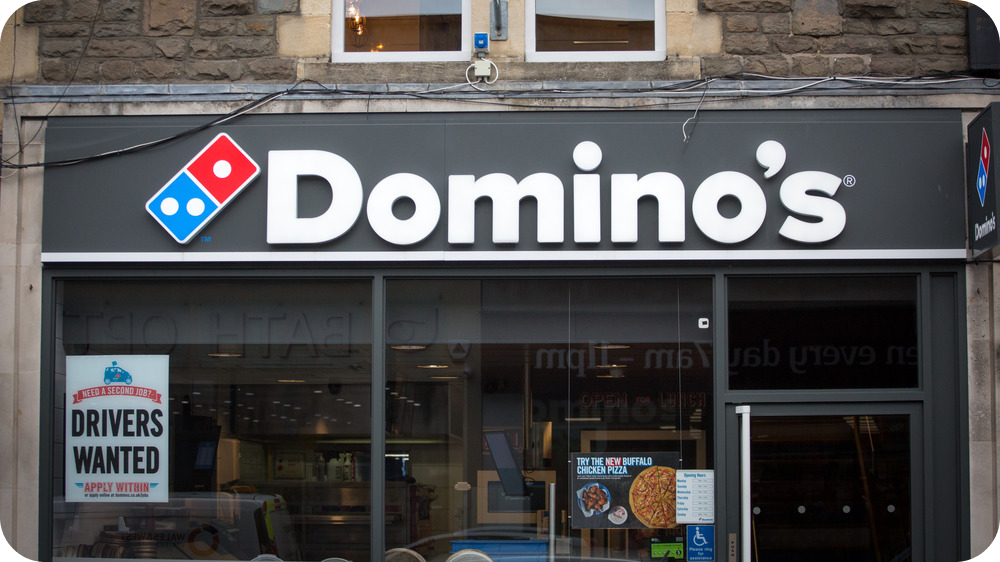
But still, just like Starbucks, Domino’s has yet to ever acquire another brand, and acquiring Subway would surely distract from their core pizza operations (which in the grand scheme of things only recently became the #1 pizza brand in the world).
|
The more likely buyer would be a company that already owns multiple restaurant brands, and has the infrastructure in place to support international operations. There’s 4 big names that immediately come to mind: - Roark Capital
- Darden Restaurants
- Restaurant Brands International
-
Yum! Brands
|
Roark is an Atlanta based private equity firm with $33 billion in assets under management.
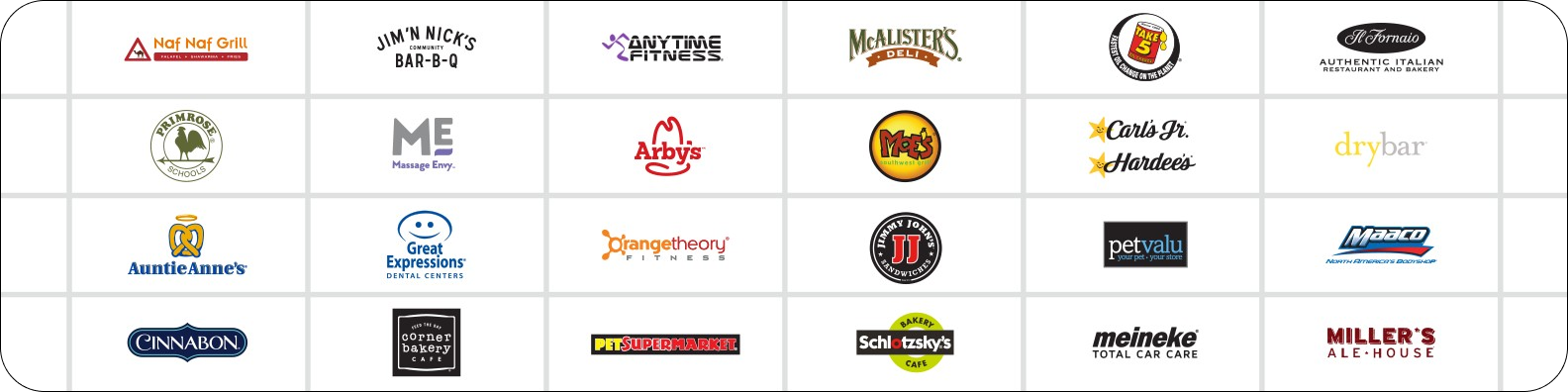
They have numerous investments in franchises of all shapes and sizes, but among them is a massive restaurant portfolio. The brands they own majority stakes in include Arby’s, Sonic, Culver’s, Nothing Bundt Cakes, The Cheesecake Factory, Auntie Anne’s, Baskin Robbins, Carvel, and far more.
In 2020, they took Dunkin’ private in an $11.4 billion transaction, demonstrating they have the chops for a deal like this.
The problem? They already own Subway competitor Jimmy John’s (god I hate their commercials).
Jimmy John’s has 2,300+ locations total, a far cry from Subway’s ~21,000 in just the United States. Getting involved with Subway would present a pretty big conflict of interest, in which supporting Subway directly harms any Jimmy John’s growth endeavors.
For that reason, I doubt they’d be in the market for this. |
Next up is Darden Restaurants, who has an $18B market cap, and owns brands such as Olive Garden, Longhorn Steakhouse, Eddie V’s, The Capital Grille, and more. They’re not a fit for two big reasons: First, they don’t own any franchises - only chains. Adding a franchise isn’t their core competency, and would require different personnel than they’re accustomed to.
Secondly, all their brands are full-service sit down restaurants. Subway is primarily a grab & go market value sandwich shop. It’s a different value prop, and again, would represent a challenge outside of what they specialize in.
|
Restaurant Brands International |
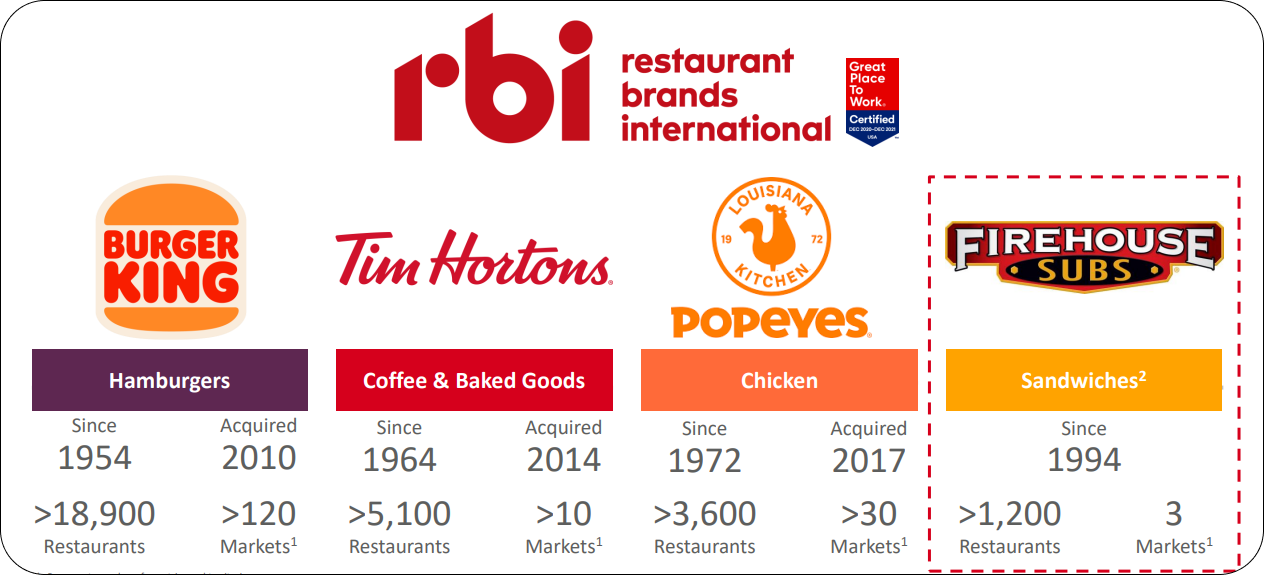
RBI is worth $20 billion on the public markets, and is the parent company of Burger King, Popeyes, Tim Hortons, and most recently Firehouse Subs. RBI acquired Firehouse Subs at the end of 2021 in a $1 billion deal. Firehouse is by far RBI’s smallest brand in terms of unit count – with 1,234 locations, it makes up a small percentage of the 28,734 units that Burger King, Tim Hortons and Popeyes have combined – but it’s in that size that RBI sees the growth opportunity. And just like Roark Capital, supporting Subway is in direct competition with their Firehouse Subs investment. |
That leaves us with Yum! Brands – the owner of KFC, Taco Bell, Pizza Hut, and Habit Burger Grill. Collectively they operate 54,000 restaurants worldwide and have a ~$36 billion market cap. On the surface, this deal could make sense… |
They easily have the resources financially to pull it off, and just like RBI’s acquisition of Firehouse Subs, it’d get them into a sector of food they currently don’t play in.
They also have the operational capability and systems in place to operate brands at a scale across every continent in the world. Given that Subway has a presence in 100 countries, the international aspect matters quite a bit.
Not to mention, Subway’s average revenue per location is trending in the right direction. After years of decreasing same store sales, in 2021, roughly 75% of Subway’s U.S. footprint (or 16,000 restaurants) reported a same-store sales increase of at least 7.5% compared to 2019. They also have (FINALLY) shifted their focus from single store operators to multi-unit operators. In May of last year, their SVP of Development, Steve Rafferty, spoke out saying they’ll start focusing on quality of operations, not quantity. “To ensure we remain competitive for years to come, we’re scaling up with high-caliber multi-unit franchisees, who bring operating expertise, development capabilities and capital,” Rafferty said. The multi-unit focus is especially important to a company like Yum! Brands, for reasons I”ll explain below. |
A major difference between Subway and the franchises Yum Owns? Average number of locations per franchisee.
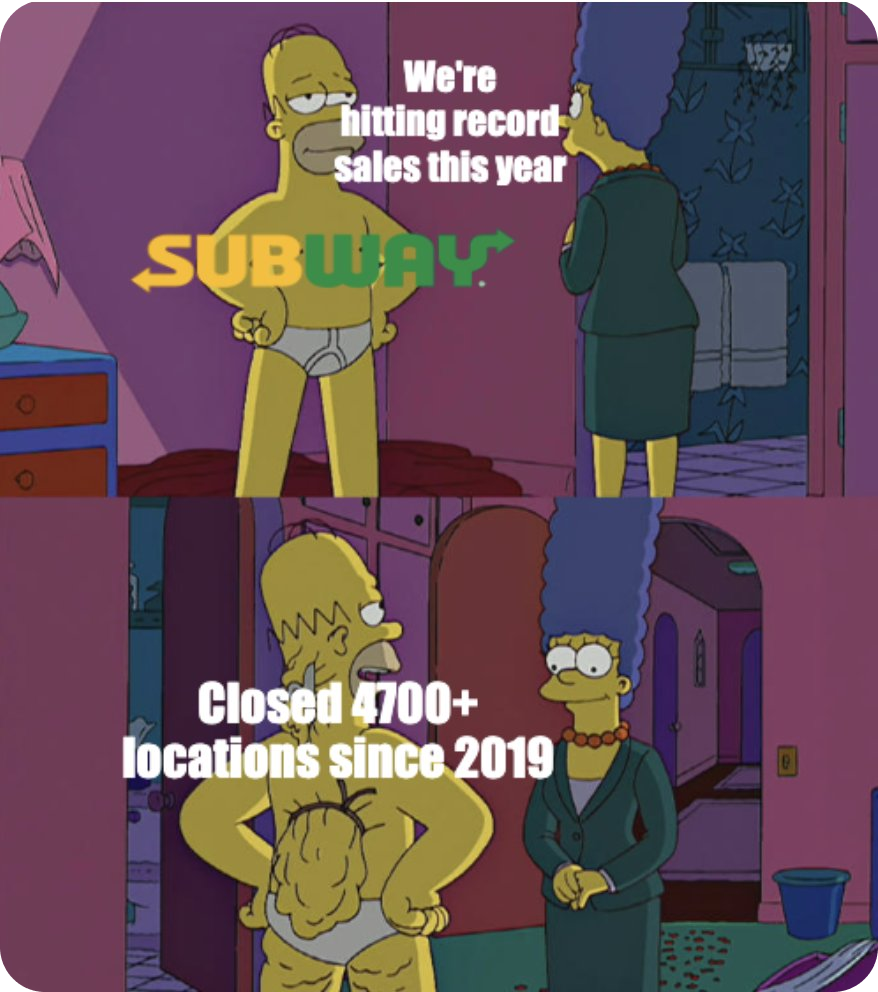
The average franchisee of a Yum restaurant owns a whopping 35 locations! That’s a staggering amount. I’d guess the median is certainly lower, as you have whale operators like Greg Flynn who owns 900 Pizza Hut’s that skew that number. But regardless, it’s a much higher number than Subway, who as mentioned before, for years focused on selling single units to saturate (*cough* or oversaturate) every market imaginable. This matters because as things stand today, bringing on Subway drastically increases the number of franchisees you have. It’s a less efficient operation that’d require Yum! to oversee ~35% more restaurants relative to their current portfolio with likely a similar amount of new franchisees. Oh and by the way - while Subway did in fact turn the tide on their average unit volume, they’ve conveniently kept it quiet that many of their stores in the US have been closing due to struggling sales. |
Throw in the current macro-climate that includes recession fears, supply chain issues, and struggles with hourly labor, and you can see why Yum! might say “nah, we’re good” to Subway.
In short: it wouldn’t surprise me if Yum! explored this, but it also wouldn't surprise me if they took a pass on it altogether (hard hitting analysis, I know). |
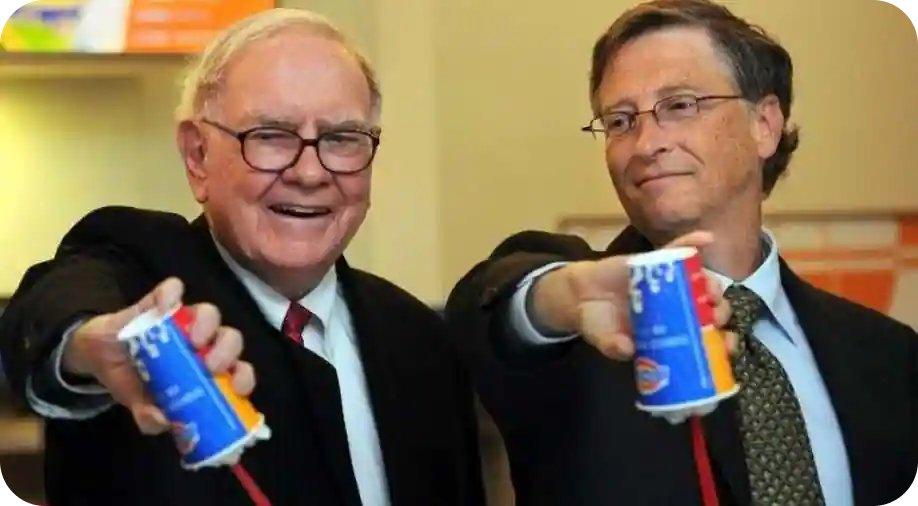
Dark Horse: Berkshire Hathaway |
Yup, that’s right. The Oracle of Omaha could be a buyer of Subway. But how, Mr. Wolf?
For starters, Berkshire already owns Dairy Queen & Orange Julius, which has 7,000+ locations worldwide. They also have a home services franchise division and real estate franchise division too.
We all know Buffett has more than enough capital, so the more important factor is that this wouldn’t be his company’s first rodeo in international franchising.
Admittedly, the Dairy Queen transaction was back in 1998, so it’s been quite awhile since they’ve played in this arena. Nonetheless, it’s worth mentioning… – Time will tell what the appetite is from the market for Subway at its current asking price. Given how long the DeLuca family has retained ownership, I’d be willing to bet they'll be patient with this sale until they get the price they want.
If a new owner does come into play, hopefully they focus on franchisee profitability and unit economics, and begin a new era for what is a top 3 restaurant brand worldwide in terms of unit count. |
|
|
In-N-Out is Heading East
Yes I know it’s technically not a franchise, but this news was too big to not include. The burger chain, which won’t open a location anywhere more than a day's drive from 1 of their meat processing facilities, is building a corporate hub in Tennessee. This is the furthest east they’ve expanded since they announced their move to Texas.
It’s unclear why it will take so long, but they plan on opening restaurants in Nashville by 2026, and expanding eastward from there. |
Auntie Anne's - Turning Suffering Into Success
The Auntie Anne’s founding story has a shockingly dark origin. The founder, Anne Beiler, went to hell and back before eventually founding what is now the most iconic pretzel brand in the world.
Read about how the soft & buttery pretzel goodness came to be.
|
|
|
THE WOLF OF EVERYTHING ELSE |
|
|
-
🐜 Woah: Here's what the world looks like to a bug
-
🫶 MLK Day: Find resources for how to spend the day of service here
|
|
|
That’s it for this edition of The Wolf Report. Feel free to reply with any questions or feedback. Thanks and see you Thursday! — The Wolf |
|
|
Want your message in front of 31,281 entrepreneurs, investors, and operators? |
Workweek Media Inc.
1023 Springdale Road, STE 9E
Austin, TX 78721
Want to ruin my day? Unsubscribe. |
|
|
|